What 303 Aerospace Protectant is genuinely good at
It deserves a fair hearing, because on the measures that are checkable it is the best-documented product in this part of the market.
- It publishes a UV figure.“Up to 98% of UV radiation if used properly and consistently” is a specific claim, and the conditional wording is more honest than most. Nothing else on this page publishes anything comparable.
- It publishes a coverage figure.“On average a 16oz. bottle treats 40sq. feet” is the only coverage figure published by any protectant in our registry, and it is the one spec that lets you work out what a bottle actually costs you per application rather than per ounce.
- It is specific about what it is not for. Clear plastics, unfinished leather, canvas, flooring, gauge panels, headlights and fabric are all named exclusions. A maker that tells you where its product fails is giving you more useful information than one that claims everything.
- It is specific about its chemistry.Its page states it “contains no petroleum distillates, alcohol, mineral oil or harmful silicone oils” and describes a water-based formula. Worth noting the exact wording, because the page also carries an unqualified “silicone-free” line while the Q&A qualifies it as no “harmful solvent soluble silicone oils”. Those are not quite the same statement, and we would read the qualified one as the accurate one.
- The matte finish is the right finish.“Dries to a clear matte finish” with “no oily and greasy residue” is the correct outcome on a dashboard, and it is why the product earned its reputation against the glossy protectants that preceded it.
Why “SPF” on a car product means nothing comparable
This is the single most useful thing we found, and it comes from 303 itself: “There is no unified industry standard rating for UV protection such as in skin sunscreen (SPF or Sun Protection Factor).”
Hold that next to the rest of the market. Elsewhere on this site, one leather conditioner advertises “premium UV blockers, SPF 65” on its listing — a number that, by 303’s own account of the category, cannot be lined up against 303’s 98% or against anybody else’s silence. Across the seven leather conditioners we carry, exactly one publishes a UV or SPF figure. Across the five trim products, exactly one publishes a UV claim, and it is 303. The practical conclusion is not that the claims are lies; it is that they are not comparable, and you cannot shop this category on a UV number the way you can shop sunscreen.
What you can do is shop on the mechanism, which is well understood. UV breaks down the polymers that keep plastics and vinyl flexible, leaving them chalky, brittle and eventually cracked, and the damage accumulates day by day rather than arriving one summer. Any protectant reapplied on schedule beats a better protectant applied once. A windshield sunshade beats both, costs nothing per use, and is the recommendation nobody selling a bottle will give you.
Protectant, dressing, or restorer? Three products people confuse
Most disappointment with this entire category comes from buying the wrong one of these three.
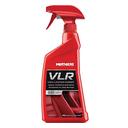
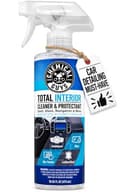
- A protectant (303 Aerospace, Mothers VLR, Chemical Guys Total Interior) is preventative. It slows UV damage on material that is still in good condition. It will not change the appearance of something already faded, and expecting it to is the single most common complaint we see.
- A dressing is cosmetic. It adds gloss and it washes off. On exterior trim it tends to sling onto paint in the rain, which is why the matte products on this page are the ones detailers recommend.
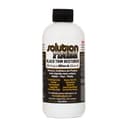
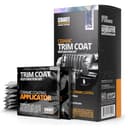
- A restorer (Solution Finish, the Cerakote kit, and the products on our trim restorer page) puts color back. That is a different chemistry doing a different job, and it is what you need on trim that has already gone gray.
The sensible shelf is one of each: a restorer used once on whatever has already faded, and a protectant used monthly on everything else. Our dashboard cleaning guide and interior detailing walkthrough cover where each step belongs in the order of work.
The application rule every product here depends on
All of these products share one failure mode, and 303 states it most clearly: “Wipe thoroughly and completely dry — this step is crucial for performance”, and “If streaking occurs, too much product was used”, and “This product does not air dry”.
That is the whole technique. Spray onto the towel rather than the panel, work a small area, and buff it dry before you move on. A protectant left to sit becomes the greasy, dust-attracting film that people blame the product for. Do it out of direct sunlight, on surfaces that are already clean — which on a neglected interior means a cleaning pass first, with a detailing brush for vents and seams.
About the prices on this page
Every figure in the table is read live from our price layer and stamped with its own date, because price is the main reason this page exists. Nothing is typed into the page, so the gap between 303 and the cheapest alternative here is always the current one rather than one we wrote down months ago. Where a live price is unavailable, the button falls back to a tagged retailer search rather than a number we cannot stand behind.