Clay & Coat

How to Wash Your Car in Winter

Road salt is the reason to wash a car in winter, and the undercarriage is the part that matters. The weekly routine, the freezing-point problems nobody warns you about, and what to protect with.

By Stephen V.Last updated How we pick

How this is funded: we earn a commission if you buy through our links, at no extra cost to you. It never changes which product we recommend, and we’ll tell you when we’d skip one. Full disclosure.

Wash weekly through winter, and flush the undercarriage before you touch the paint. Road salt is the only reason winter washing is urgent: Chemical Guys’ own guidance states that salt “accelerates corrosion, clings to undercarriages, and works its way into seams where rust forms quietly,” and that rust can begin “within weeks when salt remains on the vehicle and moisture is present.” The parts at risk — wheel wells, brake lines, exhaust, the frame, rocker panels, body seams — are all parts you never look at.

So the winter priority order is the inverse of the summer one. Underbody first, lower panels second, the paint you can see third. And the five minutes at the end matter more than anything: dry the door shuts, seals and locks, or the next cold morning will teach you why.

Winter wash vs summer wash

What changes, and why. Every row here is a real difference in the routine, not a product upsell.

Summer washWinter wash
Why you are washingAppearance and paint careCorrosion prevention — salt removal
Priority areaPaint, glass, wheelsUndercarriage, arches, rockers, seams
FrequencyEvery two weeks is plentyWeekly, per Chemical Guys’ guidance
Biggest risk to paintWater spots from drying in the sunGritty road film dragged under a mitt
Pre-washNice to haveEffectively mandatory
DryingPrevents spotsPrevents frozen seals, locks and brakes
Automatic washAvoid brushesTouchless with underbody spray is a genuine option
Published safe temperaturen/aNot published by any maker we read

What road salt actually does

It is worth understanding, because it explains why a clean-looking car can still be rotting. Salt on its own is relatively inert. Chemical Guys’ explanation is that salt attracts moistureand “creates a corrosive mixture that breaks down clear coat and paint,” exposing metal underneath to rust.

Two consequences follow. First, salt keeps working long after the roads have dried, because it pulls humidity out of the air to make its own electrolyte — a dry, salted car in a damp garage is still corroding. Second, the places where it does the most damage are the places it gets trapped: inside wheel arch liners, behind rocker panel seams, on top of subframes. Those are exactly the places a hose pointed at the paint never reaches.

Which is why the answer to “my winter car looks fine” is that looking fine is not the test. The test is whether salt is sitting in the seams, and the only way to pass it is to flush them.

The winter kit worth owning

Ranked on published specs, coverage and buyer fit. Select a row to jump to the full write-up. We haven’t tested these in a lab — here is exactly what we do instead.

#ProductBest forPrice
1
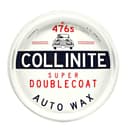
Collinite 476S Super Doublecoat Wax

Collinite 476S Super Doublecoat Wax

A carnauba-plus-polymer paste with a reputation for surviving winters that strip other products off. It is the durability answer for anyone who parks outside in a harsh climate and is not interested in reapplying every six weeks.

Best protection to put on before winter
$21.95 · View on Amazon

Price as of October 15, 2026. #ad How we’re funded

2
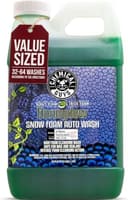
Chemical Guys Honeydew Snow Foam

Chemical Guys Honeydew Snow Foam

Built for a foam cannon: it makes the thick, clingy foam that dwells and lifts grit before you touch the paint. Use it as your pre-wash, then a two-bucket wash after.

Best pre-wash for breaking down salt
$29.97 · View on Amazon

Price as of October 15, 2026. #ad How we’re funded

3
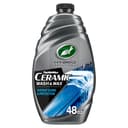
Turtle Wax Hybrid Solutions Ceramic Wash & Wax

Turtle Wax Hybrid Solutions Ceramic Wash & Wax

A wash that leaves a little SiO2 behind, so beading gets a top-up every time you clean. It won't replace a coating, but for a daily driver it's a genuinely useful two-jobs-in-one.

Best weekly wash for a salted car
$15.99 · View on Amazon

Price as of October 15, 2026. #ad How we’re funded

4
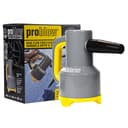
Chemical Guys EQP403 ProBlow High Flow Handheld Dryer & Blower

Chemical Guys EQP403 ProBlow High Flow Handheld Dryer & Blower

The cheapest way into a touchless dry by a wide margin, and that is the entire case for it: at this price the question is not whether it beats a MetroVac, it is whether it beats dragging a towel across your paint. It does.

Best for blowing water out before it freezes
$74.98 · View on Amazon

$99.9925% off

Price as of October 15, 2026. #ad How we’re funded

#1Top pick — Best protection to put on before winter

Collinite 476S Super Doublecoat Wax

A carnauba-plus-polymer paste with a reputation for surviving winters that strip other products off. It is the durability answer for anyone who parks outside in a harsh climate and is not interested in reapplying every six weeks.

The single most useful thing you can do for a car that will spend a winter on salted roads is to put a durable layer on it in autumn. This is a carnauba-and-polymer paste sealant with high durability, and its own registry entry names the use case exactly: cars parked outside through a real winter. Chemical Guys’ road-salt guidance makes the mechanism explicit — a slick hydrophobic layer blocks salt, slush and contaminants from bonding to the paint in the first place.

A paste is the right format for this job: more material per coat than a spray, more durability than a carnauba, and the fiddly application is a one-time cost in October rather than a weekly one in January. Collinite publishes no rated durability figure on the listing, so we cite the format and the positioning rather than a month count.

Strengths

  • Carnauba and polymer blend - warmth of a wax with sealant durability
  • Long-standing reputation for surviving salt and harsh weather
  • A tin lasts an extremely long time

Trade-offs

  • Paste application is more work than a spray or liquid
  • Needs to be applied very thin or removal becomes a chore
What it isCarnauba + polymer paste sealant, high durability
SizeNot published
CoverageNot published
TypeCarnauba + polymer paste
Rated durabilityNot published
FormPaste

Specs read from the product listing, on August 18, 2026. “Not published” means the brand does not state that figure.

#2Best pre-wash for breaking down salt

Chemical Guys Honeydew Snow Foam

Built for a foam cannon: it makes the thick, clingy foam that dwells and lifts grit before you touch the paint. Use it as your pre-wash, then a two-bucket wash after.

Winter is the season where the pre-wash stops being optional. The grime on a winter car is salt-laden and gritty, and you want as much of it off the paint as possible before a mitt touches it. Chemical Guys’ own salt guidance is specific that pH-balanced snow foams “break down salt and winter grime without disturbing waxes, sealants, or ceramic coatings” — which is the exact combination you need, because the protection is what is keeping the salt off your paint.

Honeydew is pH-neutral and Chemical Guys states the formula will not impact coatings and is safe on waxed vehicles. The cannon dose is published at 1 to 3 oz in a 32 oz solution tank. If you have no pressure washer, the same product in a pump sprayer on the lower third of the car is still worth doing — dwell time is the active ingredient, not the foam thickness.

Strengths

  • Thick, long-dwelling foam through a cannon
  • Great pre-wash to lift grit before contact
  • pH-balanced for regular use

Trade-offs

  • Best as a pre-wash, not your only soap
  • Uses more product per fill than a bucket soap
What it isSnow foam pre-wash for foam cannons
Size64 fl oz
CoverageAbout 3-5 oz per cannon fill (foam-cannon use)
pHBalanced
Best used inA foam cannon, as pre-wash
Dilution~3-5 oz per cannon

Specs read from the product listing, on July 18, 2026. “Not published” means the brand does not state that figure.

#3Best weekly wash for a salted car

Turtle Wax Hybrid Solutions Ceramic Wash & Wax

A wash that leaves a little SiO2 behind, so beading gets a top-up every time you clean. It won't replace a coating, but for a daily driver it's a genuinely useful two-jobs-in-one.

Cost per wash≈ $0.67based on ~24 washs per unit at the current price (as of October 15, 2026)

A pH-neutral wash that leaves a light SiO2 layer behind is the ideal winter maintenance soap, because it does both of the jobs a winter wash needs: it cleans without stripping, and it tops the protection back up at the same time. Through a season of weekly washing, that top-up is what stops the autumn sealant quietly wearing away by February.

Published dilution is 1 to 2 oz per gallon, which is a richer mix than the concentrates we rank for summer washing, so factor that into the cost of a weekly cadence. And set expectations honestly: “adds protection” here means a light layer, not a substitute for a real sealant. Use it over the paste, not instead of it.

Strengths

  • Adds SiO2 protection during the wash — no separate step
  • pH-neutral and cheap
  • Everywhere — grab it at any store

Trade-offs

  • The protection it leaves is thin and short-lived
  • Not a substitute for a real sealant or coating
What it ispH-neutral wash with SiO2 top-up
Size48 fl oz
Coverage1-2 oz per gallon. We figure ~2 oz a wash.
pHNeutral
Adds protectionSiO2 (light)
Dilution1-2 oz per gallon

Specs read from the product listing, on July 18, 2026. “Not published” means the brand does not state that figure.

#4Best for blowing water out before it freezes

Chemical Guys EQP403 ProBlow High Flow Handheld Dryer & Blower

The cheapest way into a touchless dry by a wide margin, and that is the entire case for it: at this price the question is not whether it beats a MetroVac, it is whether it beats dragging a towel across your paint. It does.

The winter-specific tool, and the one almost nobody buys. In summer, water hiding in a mirror housing, a lock barrel, a door seal or a badge recess runs out later and leaves a streak. In sub-freezing weather it freezes, and a frozen door seal tears when you pull the handle while a frozen lock simply does not open.

A handheld blower clears all of those in under a minute, which is the difference between a winter wash being routine and being a gamble. This is the budget way into the category — buy it to find out whether a blower changes your routine. Its own listing noted limited stock at our last check, and Chemical Guys publishes no CFM figure for it, so we rank it on format and price rather than on airflow numbers. Full category on our car dryer roundup.

Strengths

  • The lowest-cost dedicated car dryer here by a long way
  • Handheld, and the listing rates it for cars, trucks, SUVs and RVs
  • Cheap enough to justify even if you only use it on the lower panels

Trade-offs

  • No filtration claim and no airflow figure published in the listing title
  • Stock on this listing was limited when we checked it on 2026-10-06
What it isBudget handheld car dryer and blower
SizeNot published
CoverageNot published
FormatHandheld
Filtered airNot published
Airflow (CFM)Not published
HorsepowerNot published

Specs read from the product listing, on October 6, 2026. “Not published” means the brand does not state that figure.

The undercarriage is the whole point

If you take one thing from this page: in winter, the part of the car that needs washing is the part you cannot see. Chemical Guys’ road-salt guidance lists where salt collects and where rust appears first — wheel wells, brake lines, exhaust parts, the frame, rocker panels and body seams — and its instruction is to flush the wheel wells, rims and underbody to remove packed-in salt.

Every one of those is structural or mechanical. None of them is the paint you spend your Sundays on. A gleaming car with a salted frame is a car rusting from underneath while looking fine from the kerb, and the reason most people never do anything about it is that there is no visual feedback to prompt them.

Practically, you have three options. A pressure washer with an undercarriage attachment or just a wand angled under the sills is the home approach — it is awkward and it works. An automatic wash with an underbody spray is the easy approach, and in winter it is worth paying for specifically. And a coin-op bay wand lets you flush arches properly for a few dollars, which is the best value of the three if you do not have a pressure washer.

How often, and the honest answer about temperature

Chemical Guys recommends weekly washes through winter, and its reasoning is a timescale rather than an aesthetic: it states that rust can begin “within weeks when salt remains on the vehicle and moisture is present.” Salt attracts moisture and forms a corrosive mixture that breaks down clear coat and paint and exposes bare metal. Weekly is not fussiness, it is the interval that keeps you ahead of that clock.

On temperature, we have to be straight with you about what is published and what is not. That same guide publishes no temperature or humidity threshold— no “do not wash below X degrees” figure — and we are not going to invent one. What we can tell you is the physical reality: water freezes at 32 °F / 0 °C, and everything on the risk list below follows from water being left somewhere when the temperature crosses that line.

The practical rule most owners in salt country settle on: wash above freezing when you can, prefer the middle of the day so there are daylight hours to dry, and when it simply will not get above freezing for weeks, use a touchless bay with heated water rather than skipping the wash entirely. A salted car left all winter is a worse outcome than a cold wash done carefully.

What actually goes wrong in freezing weather

These are the failure modes, and all of them are avoidable with five extra minutes of drying.

  • Door and trunk seals freeze to the body. Then you pull the handle and tear the rubber. Open every door, dry the shut and the seal, and leave them a moment.
  • Locks and handles freeze solid. Blow the water out of lock barrels and behind handles.
  • Mirrors and washer jets ice up.Both hold water in recesses a towel cannot reach, which is the blower’s job.
  • Brakes freeze after a wash. Drive a short distance and use the brakes a few times before parking, so the heat drives off the water sitting on the discs.
  • Your driveway becomes an ice rink. Worth thinking about before you flood it, not after.
  • Never pour hot water on frozen glass. Thermal shock cracks windshields. This one is not reversible.

Two things not to do

Do not use a brush automatic wash.Adam’s says it plainly: brush washes “trap dirt and debris from previous vehicles,” and in winter those previous vehicles were coated in road grit. A touchless automatic in winter is a reasonable, often sensible choice; a brush wash in winter is the fastest way to swirl a car.

Do not take the “wax” option at the automatic wash. Adam’s coating-maintenance guidance is specific that the wax or sealant add-on step at an automatic wash causes “reduced water repellency, increased surface tension, and possibly even a streaky or dull appearance.” If your car is protected, the add-on is working against the protection you already have. Pay for the underbody spray instead — that one is worth the money in winter.

Also worth resisting: reaching for something stronger because the car is filthier. Degreasers, dish soap and strong alkaline traffic-film removers all strip the protection that is keeping salt off your paint. Chemical Guys’ coated-car guidance is to always opt for pH-neutral shampoos because harsh detergents degrade a coating’s hydrophobic properties. More on that in can you wash a car with dish soap?

Winter also happens inside the car

Salt gets tracked into the footwells on boots, dries into white crusts on carpet and mats, and holds moisture against the floor. That is a two-part problem: the cosmetic salt stain, and the damp underneath it. The US EPA’s mold guidance is the relevant warning — the key to mold control is moisture control, water-damaged materials should be dried within 24 to 48 hours, and porous materials such as carpet that become moldy may need replacing.

So: rubber mats through winter, taken out and rinsed; a wet/dry vacuum for the footwells rather than a handheld, because extraction is the only way to get water back out of carpet; and the fan run without A/C for the last minutes of a drive to dry the cabin. Our carpet and mats guide and shop vac vs car vacuum cover the equipment side.

If you have no hose in winter

This is the hardest case, and it deserves an honest answer rather than a cheerful one. A rinseless wash is not the right tool for a salt-covered car: there is no pre-rinse, and road grit under a towel is how swirls are made. Our no-hose guide says the same thing in the other direction.

For a winter car with no hose, the realistic plan is a coin-op bay or touchless wash every week or two for the salt and the underbody flush, with a rinseless wash at home in between for the paint once the grit is gone. That combination costs a few dollars a week and it keeps you ahead of the corrosion clock, which is the only metric that matters between November and March.
A note on safety. Washing in freezing temperatures has risks a summer wash does not: water freezing in door and trunk seals can tear the rubber when you open them, water in locks and handles can freeze them solid, and ice on a driveway you have just flooded is a genuine hazard. Work above freezing where you can, dry door shuts and seals before you finish, and never pour hot water on a frozen windshield — the thermal shock can crack glass.

Frequently asked questions

Should you wash your car in winter?

Yes, and more often than in summer. Chemical Guys' road-salt guidance recommends weekly washes through winter, and states that rust can begin within weeks when salt remains on the vehicle and moisture is present. Salt attracts moisture and forms a corrosive mixture that breaks down clear coat and paint; it collects in wheel wells, along rocker panels, in body seams and on the frame, brake lines and exhaust — all places that develop rust first and that you never see.

How cold is too cold to wash a car?

No maker in our source set publishes a temperature threshold, and we will not invent one. What is physically true is that water freezes at 32°F / 0°C, and every winter wash risk follows from water left behind when the temperature crosses that line: seals freezing to the body and tearing, locks freezing solid, washer jets icing up. The practical approach is to wash above freezing where possible, in the middle of the day so there are daylight hours to dry, and to use a touchless bay with heated water when it will not get above freezing for weeks.

How often should you wash your car in winter?

Weekly, per Chemical Guys' own guidance, because that is the interval that keeps you ahead of the corrosion timescale rather than the dirt. The reason is specific: salt plus moisture starts rust within weeks, and the salt is packed into wheel wells and body seams where nothing visible prompts you to act. If weekly is not realistic, prioritise the undercarriage flush over the paint wash — the paint is cosmetic and the frame is not.

Does washing your car in winter prevent rust?

It is the main thing that does. Road salt accelerates corrosion, clings to undercarriages and works its way into seams where rust forms quietly — so removing it before moisture has weeks to work is a direct intervention on the mechanism. The parts that matter most are the ones you cannot see: wheel wells, rocker panels, body seams, brake lines, exhaust components and the frame. A car with gleaming paint and a salted frame is rusting from underneath.

What is the best way to get road salt off a car?

Flush it with water before anything touches the paint, starting with the undercarriage and wheel arches, then pre-wash the lower panels with a pH-balanced snow foam and let it dwell. Chemical Guys states that pH-balanced snow foams break down salt and winter grime without disturbing waxes, sealants or ceramic coatings — which matters because that protection is what is keeping the salt off your paint. Do not escalate to degreasers or dish soap; they strip the protection along with the salt.

Is an automatic car wash okay in winter?

A touchless one, yes — and in winter it is often the sensible choice, especially if it offers an underbody spray, which is worth paying for. A brush wash, no: Adam's warns specifically that brush washes trap dirt and debris from previous vehicles, and in winter those vehicles were covered in road grit. Also skip the 'wax' or 'sealant' add-on step; Adam's says it causes reduced water repellency, increased surface tension and possibly a streaky or dull appearance.

What should I protect my car with before winter?

A durable paste sealant applied in autumn is the highest-value winter prep there is. Chemical Guys' own salt guidance explains why: a slick hydrophobic layer blocks salt, slush and contaminants from bonding to the paint in the first place. A paste puts down more material per coat than a spray and the fiddly application is a one-time cost in October rather than a weekly chore in January. Then top it up through the season with a pH-neutral SiO2 wash.

Why do my car doors freeze shut after washing?

Water left in the door shut and seal froze. Rubber seals hold water along their whole length, and when it freezes the seal bonds to the body — then pulling the handle tears the rubber. The fix is five minutes of drying: open every door and the trunk, dry the shut and the seal, blow water out of the lock barrel and from behind the handle, and leave them open a moment before you finish. A handheld blower does all of it in under a minute.

Sources

  • Chemical Guys — Road Salt On Cars: How It Damages Your Vehicle & How To Prevent It — Manufacturer guide: "Salt accelerates corrosion, clings to undercarriages, and works its way into seams where rust forms quietly"; salt "attracts moisture and creates a corrosive mixture that breaks down clear coat and paint", exposing metal to rust; the areas that "trap salt and often develop rust first" are wheel wells, brake lines, exhaust parts, the frame, rocker panels and body seams; rust can begin "within weeks when salt remains on the vehicle and moisture is present"; recommends "weekly washes" through winter and to "flush wheel wells, rims, and the underbody to remove packed-in salt"; pH-balanced snow foams "break down salt and winter grime without disturbing waxes, sealants, or ceramic coatings"; a ceramic coating creates "a slick, hydrophobic layer that blocks salt, slush, and contaminants from bonding to your paint". The page publishes NO temperature or humidity threshold (accessed October 11, 2026)
  • Chemical Guys — Honeydew Snow Foam Auto Wash — Maker page: pH-neutral formula stated not to impact coatings and safe on waxed vehicles; foam-cannon/foam-gun dose is 1 to 3 oz in a 32 oz solution tank, or 3-5 oz in a foam-lance reservoir filled with warm water; bucket dose is 1 to 3 oz per 5-gallon bucket; states it can be diluted up to 1:1100 and that "there is no one right dilution ratio" (accessed October 11, 2026)
  • Adam's Polishes — Maintenance On A Ceramic Coated Vehicle — Maker guide: skip the 'wax' or 'sealant' add-on step at an automatic wash, because those steps cause 'reduced water repellency, increased surface tension, and possibly even a streaky or dull appearance'; avoid automatic brush washes, which 'trap dirt and debris from previous vehicles'; alternate a coating-specific shampoo 'every 2-4 washes' with ordinary car shampoo for a continual maintenance schedule; top the coating with a detail spray 'every 3-4 washes or once a month', which the maker rates at '1-2 months of protection per application'; a coating left completely unmaintained 'will eventually begin to wear down over time or not perform as well' (accessed October 5, 2026)
  • Chemical Guys — How to Wash a Ceramic Coated Car — Manufacturer guide: 'always opt for pH-neutral shampoos' because harsh or acidic cleaners strip the water-repelling properties that make a coating work; 'strong solvents and abrasive detergents can degrade the coating's hydrophobic properties', and acidic or alkaline cleaners weaken the protective layer; suggested cadence is to 'aim to wash your car every two weeks', more often after bird droppings, tree sap or heavy dirt; hot water can degrade the coating; dry with premium plush microfiber rather than rough generic towels (accessed October 5, 2026)
  • Chemical Guys — Two Bucket Method Car Wash Guide — Separate wash and rinse buckets keep contaminated water off the mitt — the main source of wash-induced swirl marks (accessed July 18, 2026)
  • Chemical Guys — What Causes Swirl Marks on Car Paint and How to Prevent Them — Manufacturer guide: friction is the root cause - a dirty towel, gritty wash mitt or automatic car wash brush moving in a circular motion leaves tiny scratches; swirl marks show up most noticeably on dark colors such as black and navy blue because of the contrast against light reflection; prevent with the two-bucket method and a microfiber mitt, and dry by blotting with a plush microfiber towel or with a blower rather than wiping; wax can temporarily fill light swirl marks and make them less visible but does not remove the underlying scratches (accessed September 29, 2026)
  • US EPA — A Brief Guide to Mold, Moisture and Your Home — The key to mold control is moisture control: fix the water problem, dry water-damaged materials within 24-48 hours, and expect porous materials such as ceiling tiles and carpet that become moldy to need replacing; avoid breathing spores and wear an N-95 respirator, gloves and unvented goggles (accessed September 18, 2026)

Keep reading