How to choose a ceramic spray
SiO2 or graphene
Most sprays here are SiO2-based. A few, like Adam’s, use graphene oxide, which the brands market on reduced water spotting and better heat behavior. There is a real chemistry difference, but the marketing runs well ahead of what anyone can demonstrate at the consumer level — and note that essentially none of these brands publish an actual SiO2 percentage, which is why that row reads “Not published” throughout the table above. Our ceramic vs graphene comparison goes into what the difference does and does not buy you, and if you want graphene specifically, the best graphene coating picks rank the graphene sprays and coatings on their own.
Bottle size is the real cost driver
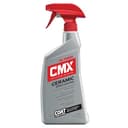
Spray coatings are used generously or badly — being sparing is the most common reason people get patchy results. A 24 oz bottle at a low price does more for your outcome than a premium 8 oz bottle you ration, which is a large part of why the Mothers bottle takes the top spot here.
Standalone or topper
Every product here works as a standalone layer on bare, clean paint. Most also work as a topper over an existing coating — the SiO2 bonds to the coating and restores the slickness and beading that wear off first. If you already have a coating, buying a spray as maintenance is one of the better-value moves in car care.
Applying one so it actually works
The surface has to be genuinely clean, and that means more than washed. Any wax, sealant, or bonded contamination sitting on the paint stops the SiO2 reaching the clear coat. Wash the car, then chemically decontaminate it, then clay if it still feels rough. That prep is the difference between four months of beading and four weeks.
Work panel by panel, out of direct sun, on a cool surface. Mist two or three sprays onto a folded microfiber applicator or straight onto the panel, spread it across roughly a half-panel area, then immediately buff with a clean microfiber and turn to a fresh face to level it. Two towels: one to spread, one to finish. The mistake to avoid is doing the whole car and then coming back — by then it has flashed and you are fighting streaks.
Then leave it alone. Most sprays want a few hours before they get wet, and overnight in a garage is ideal. Do not wash the car for a couple of days if you can help it.
Where a spray genuinely falls short
It will not add meaningful scratch resistance — no consumer coating really does, whatever the packaging suggests. It will not survive an automatic brush wash. And it will not deliver the multi-year protection a properly installed coating gives, which is the whole point of the product tier above it. If you want years rather than months, read is a ceramic coating worth it and budget the prep time honestly.