Restorer, coating or dressing?
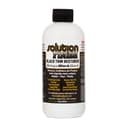
Dye-based restorers
These deposit pigment into the oxidized surface layer, restoring color rather than adding shine. The good ones leave a matte, factory-looking finish with no greasiness, which also means no sling onto your paint in the rain — a genuine problem with oily dressings. A tiny amount treats an entire car’s trim, so the high bottle price is misleading.
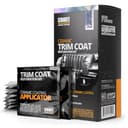
Ceramic trim coatings
These apply a hard, UV-resistant layer over the trim, which is the most durable approach available. The trade is coating discipline: the surface must be genuinely clean and dry, application must be even, and an uneven result is harder to correct than a dressing you can simply wipe off and redo.
Dressings
Cheap, instant, satisfying, and temporary. They wet the surface optically so it looks dark, and they wash away. For a car you are selling next week, or trim that is only lightly faded, they are entirely rational. For trim that has gone properly chalky, you will be reapplying every few washes forever.
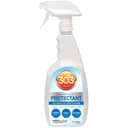
The one nobody buys in time
A UV protectant is not a restorer — it prevents the fade rather than reversing it. Applied to trim that is still black, it is by far the most effective product on this page, because nothing you do afterwards is as good as trim that never faded. It is on this list as the thing to buy for your next car, and for the trim on this one that has not gone yet.
Prep, which is where results are won or lost
Trim restorers bond to the plastic. Anything sitting on that plastic — old dressing, wax residue, road film, silicone from a previous product — is what they bond to instead, and that is why patchy results happen.
Clean the trim hard with an all-purpose cleanerand a brush, working the texture rather than just wiping the surface. Rinse and dry completely. If there is wax smeared into the grain from a previous polish — the classic white residue along trim edges — an APC and a stiff detailing brush is what removes it.
Then mask the surrounding paint if you are using a dye-based product. These stain, and they are designed to; getting one onto light-colored paint is an annoying afternoon.
Apply thin and even with an applicator, not a rag, and work in the shade. Wipe any overrun off adjacent paint immediately. Then let it cure fully before the car gets wet — usually several hours, ideally overnight in a garage. Rushing that is the second most common cause of a streaky result.
Keeping it
Once restored, protect it. A UV protectant over restored trim, reapplied a few times a year, dramatically extends how long the restoration lasts — it stops the same process that caused the problem from starting again. And avoid aggressive degreasers on trim during normal washes; a pH-neutral shampoo does not strip it, while a strong APC used every week will.
Two of these products account for most of the shopping in this category, and they are separated by one thing: a published durability figure. Our Back-to-Black vs Ultimate Black head-to-head works through what Meguiar’s 103-wash lab claim does and does not promise.