Wheels & Tires
The dirtiest corner of the car — wheel cleaners, tire dressings and brushes that cut brake dust and dress rubber without sling.
Wheels are the dirtiest corner of the car and the fastest win in detailing. Clean, dressed wheels and tires make an otherwise average wash look sharp, and neglected ones drag down a flawless finish. The dirt here is different, too: brake dust is bonded iron that bakes onto the wheel face, and it’s the coarsest, most abrasive grit on the whole car — which is exactly why wheels get their own bucket, mitt and brushes.
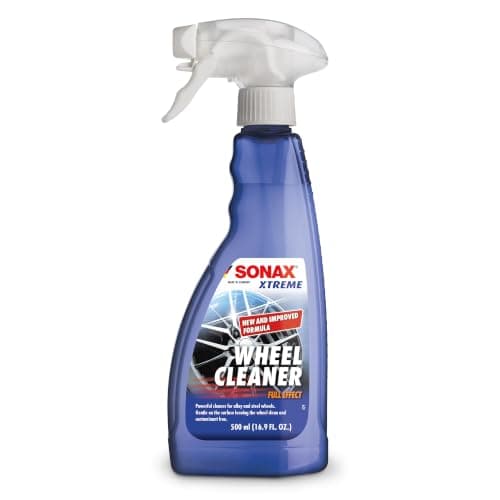
The modern approach is a pH-balanced, iron-reactive wheel cleanerthat you spray on and watch bleed purple as it dissolves the bonded iron, then agitate and rinse. It’s safer on coated and delicate finishes than the old acid cleaners, and it does most of the work for you. Then a tire dressingfinishes the corner — matte to wet-look, applied thin so it doesn’t sling onto your fresh paint.
Everything in Wheels & Tires
Best Wheel Cleaner
pH-balanced and color-changing wheel cleaners compared on dilution, safety on coatings, and cost-per-wash.
Our top pick
Sonax Wheel Cleaner Full Effect
$16.75 · View on AmazonPrice as of October 16, 2026. #ad How we’re funded
Best Tire Shine
Tire dressings compared on finish, longevity and sling — matte to wet-look, and how long each really lasts.
Our top pick
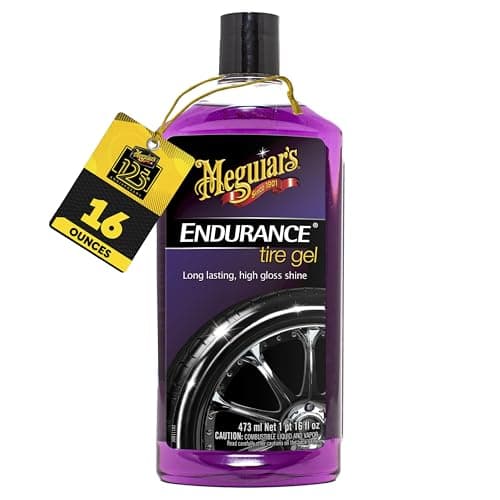
Meguiar's Endurance Tire Gel
$13.99 · View on AmazonPrice as of October 16, 2026. #ad How we’re funded
How to Clean Wheels the Right Way
The safe order for wheels, tires and wells — which cleaner for which finish, and why wheels get their own bucket.
Ceramic Coating for Wheels
Why coating your wheels makes brake dust rinse off, what a wheel coating can and can't do, and how to apply one.
How to Apply Tire Shine Without Sling
Get an even, long-lasting tire finish with no greasy sling on your paint — prep, application and how much product to actually use.
How to Clean Tires the Right Way
Why tires need scrubbing before any dressing will last, the brush and cleaner that do it, and the browning fix most people miss.
How to Remove Brake Dust From Wheels
What brake dust is, why it bonds to wheels if you leave it, and the safe cleaner-and-brush routine that gets it all off.
Spray vs Gel Tire Shine
Quick spray dressing or long-lasting gel: how they differ on finish, durability and sling, and which suits your car and your effort.
Best Wheel Brush
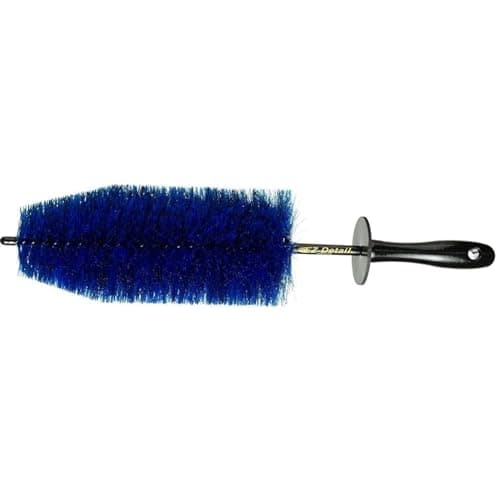
Wheel brushes compared on reach and bristle softness - one brush cannot clean a barrel, a face and a sidewall.
Our top pick
EZ Detail Big Wheel Brush
$33.14 · View on AmazonPrice as of October 16, 2026. #ad How we’re funded
Best Wheel Cleaner for Black Wheels
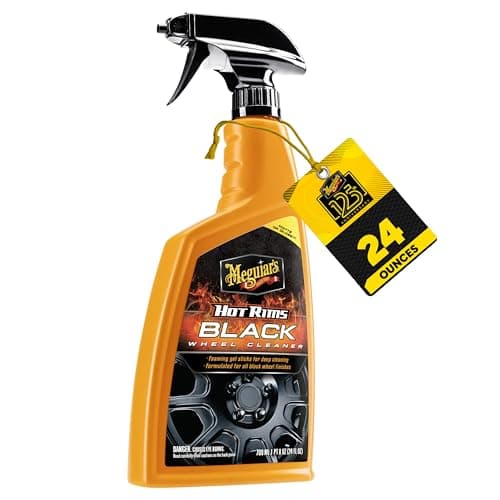
Gloss, matte and satin black wheels are a painted finish, not bare metal. The acid-free, pH-balanced cleaners that clean them without attacking the coating.
Our top pick
Meguiar's Hot Rims Black Wheel Cleaner
How to clean wheels and tires
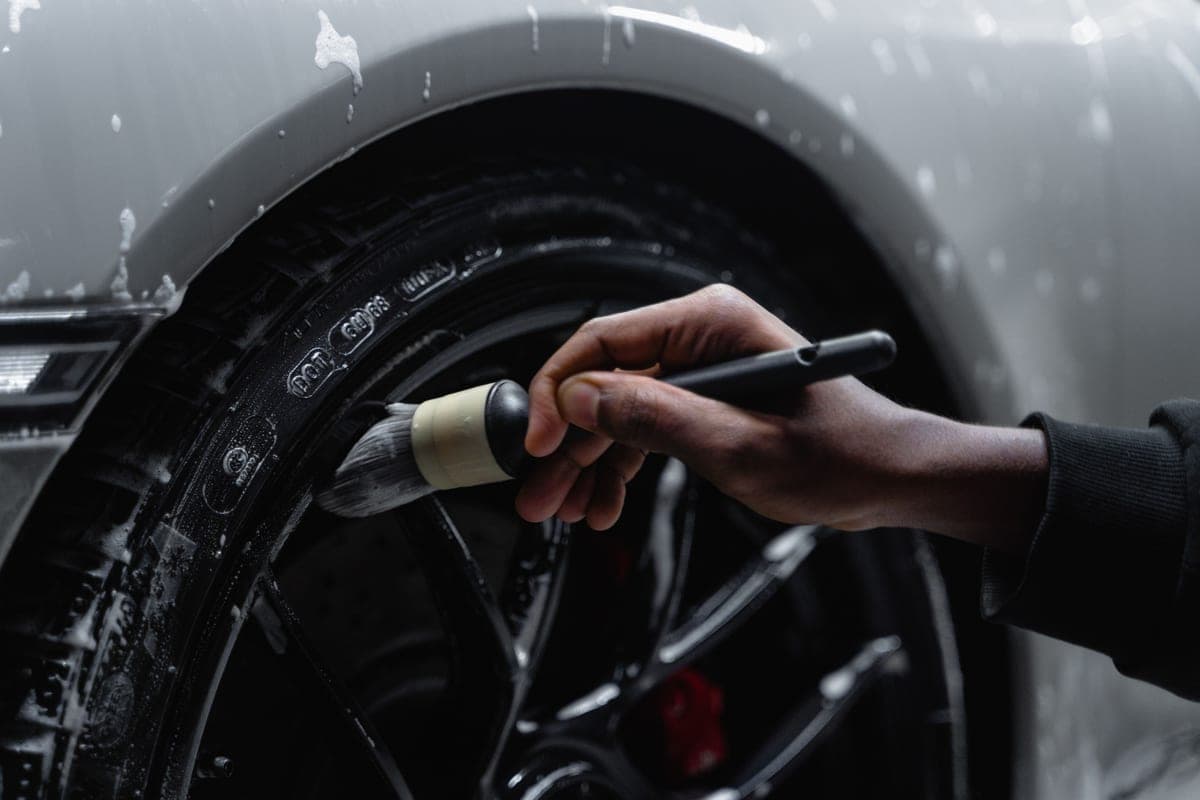
Do the wheels first, before the rest of the car, and only when they’re cool — cleaner flash-drying on a hot wheel can stain. Rinse, spray a wheel-safe cleaner, let it dwell and change color, agitate the face with a wheel brush and the barrels with a soft woolie, then clean the tire and rinse thoroughly. Our how to clean wheels guide walks the safe order, and it matters: doing wheels last drags their coarse grit onto clean paint.
Match the cleaner to the finish
Most factory and painted wheels are happy with an acid-free, pH-balanced cleaner. Delicate, polished or coated wheels want the gentlest option, and heavily-baked brake dust sometimes needs a stronger dedicated cleaner used sparingly. When in doubt, choose the milder product — you can always agitate more.
Dress tires without the sling
The number-one tire-dressing complaint is sling: dressing flinging off a spinning tire onto your paint. The fix is to apply a thin, even coat, let it flash, and wipe the excess. A gel lasts longest; a spray is faster; a foam is cheapest. We compare all three in best tire shine.
Frequently asked questions
Why do wheels get a separate bucket and brush?
Because brake dust and road grit on wheels are the coarsest, most abrasive contamination on the car. If you used the same mitt and bucket on your paint afterward, you'd drag that grit across the clear coat and put in swirl marks. Keep wheel gear completely separate.
Is tire shine bad for my tires?
Water-based dressings are fine and many add UV protection that helps prevent cracking. The dressings worth avoiding long-term are heavy solvent-based (petroleum) ones, which can dry rubber over time. Applied thin and wiped down, a quality water-based or SiO2 dressing is safe.
Do color-changing wheel cleaners really work?
Yes — the purple bleed is a real chemical reaction with the iron particles in brake dust, and it means the cleaner is dissolving contamination you'd otherwise have to scrub. It's not just a gimmick; it's a visible sign the product is doing its job.
Sources
- Car Care Council — Car Care Guide (Be Car Care Aware) — Industry guidance on tire and wheel maintenance — inflation, rotation and inspection (accessed July 18, 2026)
- NHTSA — Tires (TireWise) — Federal tire-safety guidance: check pressure monthly when cold and replace at 2/32-inch tread depth (accessed July 18, 2026)