Coatings, Sealants & Wax
The protection step — ceramic coatings, sprays, sealants and wax — compared on stated SiO2, rated durability and what a bottle actually protects.
Protection is the last step of a detail, and the one where the marketing is loudest. “Ceramic” now appears on everything from a genuine multi-year coating you cure onto the paint to a $15 spray that’s really a sealant. The job of this section is to cut through that: what each type of protection actually does, how long it really lasts, and what a bottle costs you per coat.
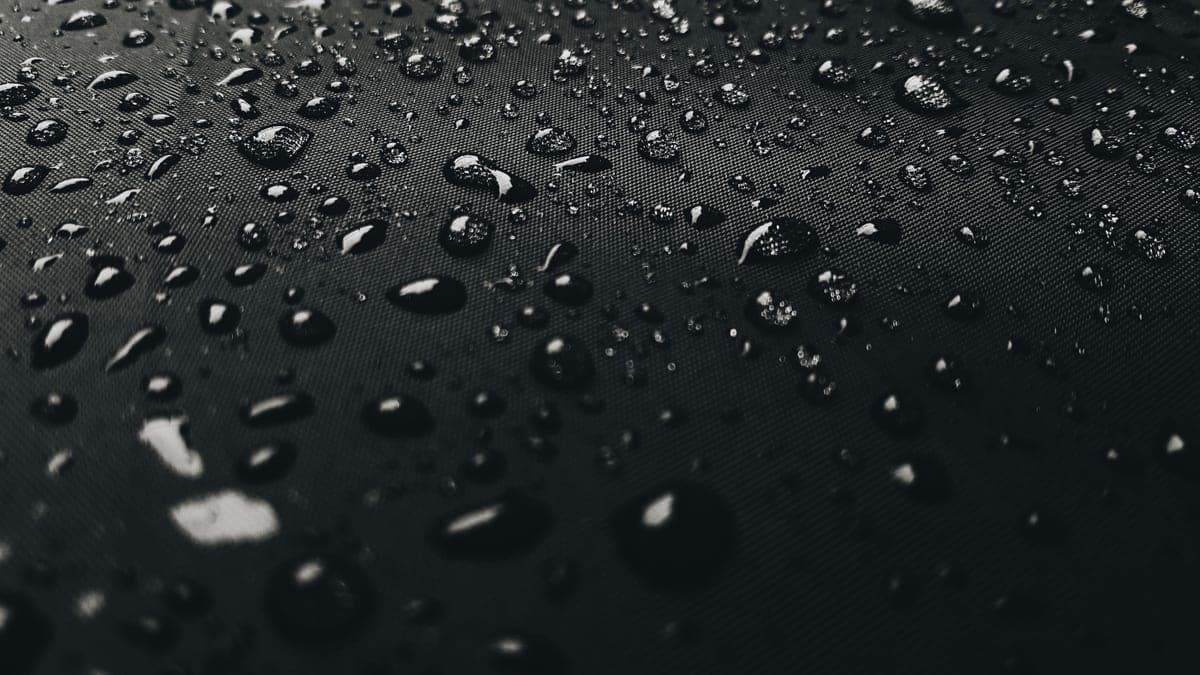
Think of protection as a ladder. A wax gives warm gloss for a few weeks. A synthetic sealant lasts a few months and beads well. A spray SiO2 coating adds real hydrophobic slickness for weeks to months with almost no technique. A true ceramic (or graphene) coating chemically bonds to the clear coat and protects for years — but only if you prep properly and take your time. None of them is scratch-proof, and none replaces washing; what they buy you is easier washing, water that sheets off, and a deeper shine.
Everything in Coatings
Best Ceramic Coating for Cars
DIY ceramic coatings compared on stated SiO2, rated durability and coverage per bottle — with the cost-per-coat worked out.
Our top pick
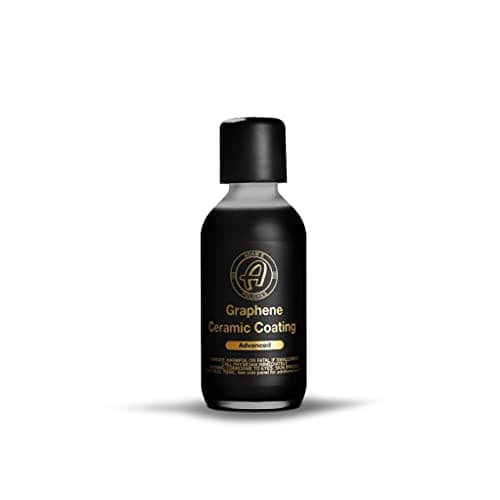
Adam's Polishes Advanced Graphene Ceramic Coating
$124.94 · View on AmazonPrice as of October 16, 2026. #ad How we’re funded
Best Car Wax
Carnauba and synthetic car waxes compared on shine, durability and ease of use — the easy all-rounder, the longest-lasting pick, and the spray 'wax' to skip.
Our top pick
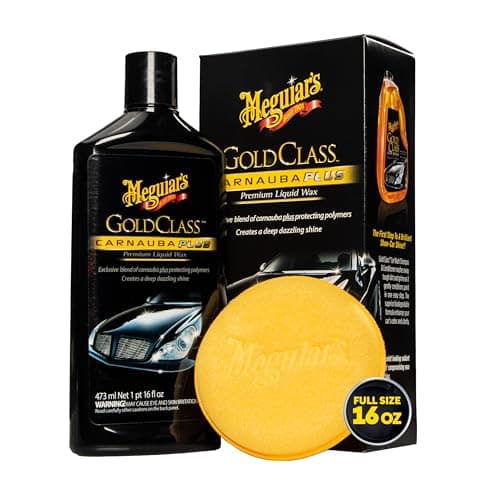
Meguiar's Gold Class Carnauba Plus Premium Liquid Wax
Is a Ceramic Coating Worth It?
What a coating actually buys you versus a wax or sealant, where the money goes, and when it isn't worth it.
How Long Does a Ceramic Coating Last?
Realistic durability by product type — spray, consumer, and pro coatings — and what actually shortens it.
Ceramic Coating vs Wax
Which protection fits how you use your car — a semi-permanent ceramic coating or a classic wax — compared on durability, looks, effort and cost.
Ceramic vs Graphene Coating
What graphene actually adds over a plain SiO2 ceramic coating, where the difference is real, and when it isn't worth paying extra for.
Wax vs Sealant
Natural carnauba wax or synthetic paint sealant — how they differ on gloss, durability and ease, and which to reach for.
How to Apply a Ceramic Coating
The step-by-step for applying a DIY ceramic coating without high spots — prep, panel size, the cure window and the mistakes to avoid.
How to Maintain a Ceramic Coating
The wash routine and toppers that keep a coating beading for years — and the everyday habits that quietly kill it early.
Spray Wax vs Paste Wax
Fast spray wax or classic paste wax: how they differ on shine, durability and effort, and which one your car actually wants.
How to Apply Car Wax the Right Way
Wipe on, haze, buff off: the step-by-step for a streak-free coat of wax, plus how thin to go and how often to reapply.
How Often Should You Wax Your Car?
A realistic waxing schedule by wax type and climate, and the simple beading test that tells you it is time to wax again.
Best Ceramic Coating Spray
Sprayable SiO2 and graphene coatings compared - real protection in twenty minutes, and the honest gap to a true coating.
Our top pick
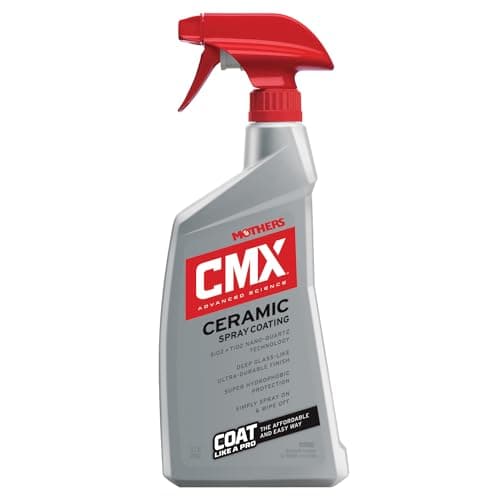
Mothers CMX Ceramic Spray Coating
Best Graphene Coating for Cars
Graphene coatings, sprays, wax and toppers compared on what their labels can back up - named chemistry, durability claims that agree with themselves, and hardness numbers that mean something.
Our top pick
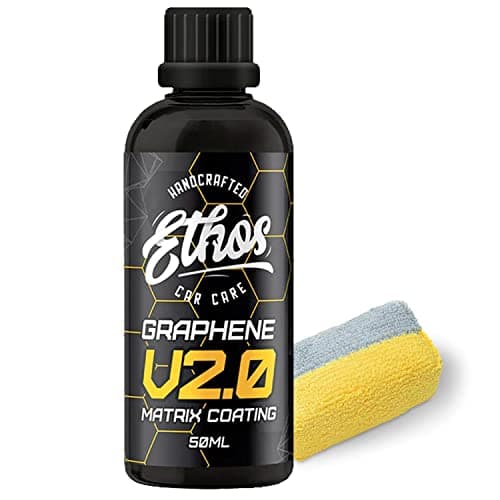
Ethos Car Care Graphene Matrix Coating V2.0
$118.99 · View on AmazonPrice as of October 16, 2026. #ad How we’re funded
Best Paint Sealant
Synthetic sealants compared on form, durability and gloss - months of protection with none of a coating's risk.
Our top pick
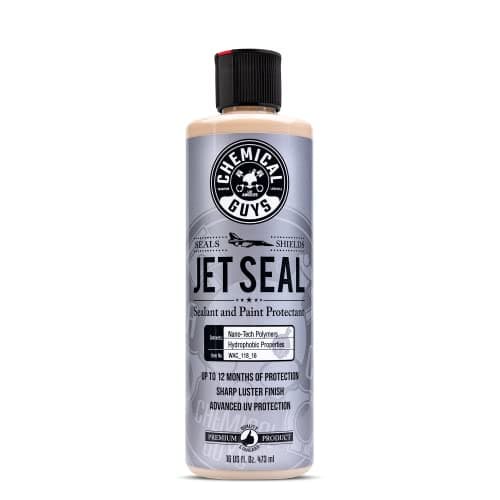
Chemical Guys JetSeal Anti-Corrosion Paint Sealant
$39.99 · View on AmazonPrice as of October 16, 2026. #ad How we’re funded
Windshield Ceramic Coating & Glass Sealants
Glass coatings and water repellents compared - rain that beads off at speed, and the prep that decides how long it lasts.
Our top pick
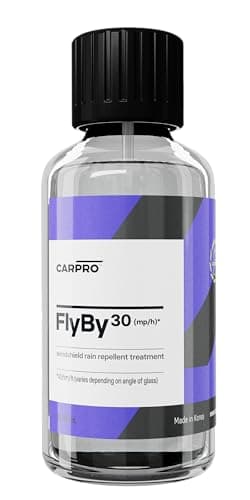
CarPro FlyBy30 Glass Sealant
Best Plastic Trim Restorer
Trim restorers compared on whether they restore or just dress - the difference decides whether black trim stays black.
Our top pick
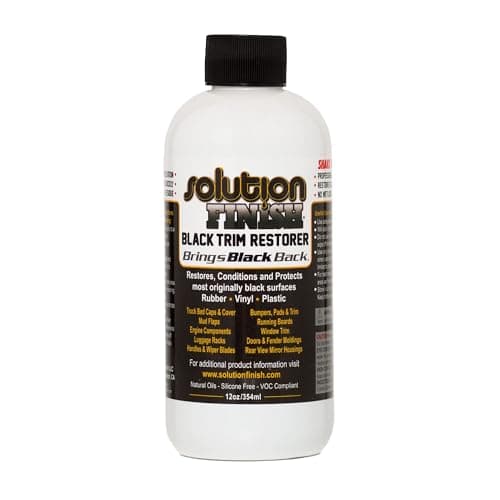
Solution Finish Black Plastic & Vinyl Trim Restorer
$33.99 · View on AmazonPrice as of October 16, 2026. #ad How we’re funded
Best Car Wax for Black Cars
Waxes and sealants for black paint, picked on what black paint punishes: swirls that show, white residue on trim, and how much rubbing the product makes you do.
Our top pick
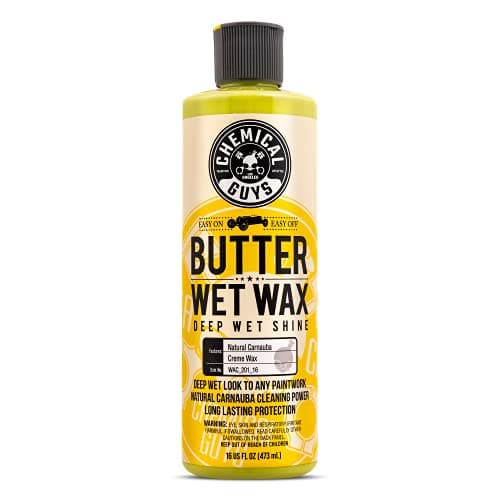
Chemical Guys Butter Wet Wax
$19.97 · View on AmazonPrice as of October 16, 2026. #ad How we’re funded
Aquapel vs Rain-X
The two best-known windshield repellents compared on the one thing that separates them: Aquapel publishes a durability claim and a bonding mechanism, Rain-X publishes neither.
Our top pick
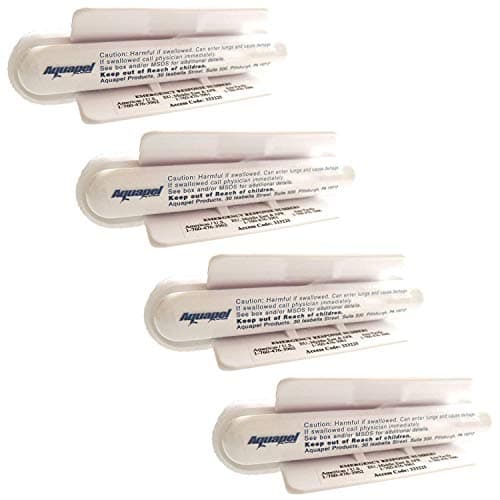
Aquapel Glass Treatment Applicators
$40.98 · View on AmazonPrice as of October 16, 2026. #ad How we’re funded
Mothers Back-to-Black vs Meguiar's Ultimate Black
Two trim restorers at nearly the same price, settled by what each maker will put in writing: one publishes a 103-wash lab figure, the other publishes no durability claim at all.
Our top pick
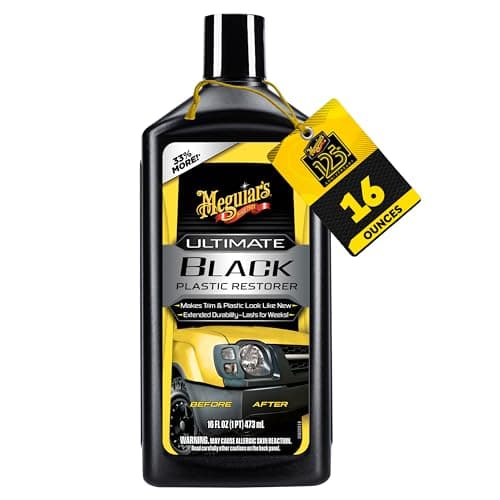
Meguiar's Ultimate Black Plastic Restorer
Best Car Wax for White Cars
White hides swirls and hides wax residue, which flips every criterion a black-car wax is sold on. Ranked on durability and cleaning power instead.
Our top pick
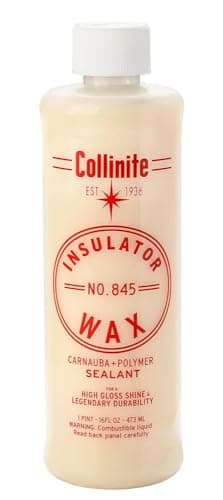
Collinite No. 845 Insulator Wax
$20.95 · View on AmazonPrice as of October 16, 2026. #ad How we’re funded
How to choose your protection
Match the product to your patience, not to the biggest number on the label. If you want years of protection and you’ll do the prep — a proper wash, a clay-bar decontamination, and ideally a light polish— a true coating earns its price. If you want beading this weekend with zero risk of high spots, a spray-on SiO2 is the smarter buy, and you simply top it up more often. And if you just want a warm shine you can lay on over a Sunday afternoon, a good car waxis the low-commitment classic. There is no wrong answer here, only the one that matches how much time you’ll actually spend.
Prep is 90% of the result
Every coating locks in whatever is underneath it. Skip the wash and decontamination and you seal dirt and swirls under a layer that now lasts for years — the opposite of what you wanted. Whatever you choose, clean and smooth the paint first. Our best ceramic coating guide ranks the DIY options, and is a coating worth it? helps you decide before you spend. Already set on graphene? The graphene coating picks check each label’s chemistry, durability and hardness claims before ranking it.
What decides durability
Two cars with the same coating can get very different lifespans. Maintenance is the difference: a pH-neutral wash keeps a coating hydrophobic for its rated life, while harsh cleaners and automatic brush washes strip it early. We break the numbers down in how long a coating lasts.
Frequently asked questions
What's the difference between a wax, a sealant and a ceramic coating?
It's mostly durability and chemistry. Wax is a natural or synthetic gloss that lasts weeks. A sealant is a synthetic polymer that lasts a few months. A ceramic coating is a SiO2-based layer that chemically bonds to the clear coat and lasts years. The longer-lasting the protection, the more prep and care it wants in return.
Do coatings make a car scratch-proof?
No. A coating adds a hard sacrificial layer that resists light marring and chemical etching and makes washing easier, but it will not stop rock chips or a careless automatic wash. Anyone selling a coating as scratch-proof is overselling it.
Can I put a coating over wax?
No — a true coating needs to bond to bare, decontaminated clear coat, so any wax or old sealant has to be stripped first. Spray SiO2 products are more forgiving and can layer over each other, but even they work best on clean paint.
Sources
- Gtechniq — Everything You Need to Know About Ceramic Coatings — Manufacturer explainer: ceramic coatings are SiO2-based, bond to the clear coat, are hydrophobic, and act as a sacrificial protective layer that lasts multiple years (accessed July 18, 2026)
- Chemical Guys — Ceramic Coating Maintenance — On coating longevity: durability drops toward 1-2 years without care but reaches multiple years with pH-neutral washing and periodic maintenance (accessed July 18, 2026)