Clay & Coat

How to Clean a Car Dashboard

Dust first, spray the towel, and match the method to the surface - plastic, leather, screens, gauge lenses and piano black - so the dash ends up clean and matte, not greasy.

By Stephen V.Last updated How we pick

How this is funded:we earn a commission if you buy through our links, at no extra cost to you. It never changes which product we recommend, and we’ll tell you when we’d skip one. Full disclosure.

The dashboard is the surface you look at more than any other in the car, and it isn’t really one surface. Reach across a modern dash and you touch hard textured plastic, a soft-touch coated panel, maybe a stitched leather or vinyl wrap, a strip of glossy piano black, a clear plastic lens over the gauges and a touchscreen with coatings of its own. Most dashboard mistakes come from treating all of that as one job: a kitchen spray that is too harsh for the screen, or a shiny dressing that throws a reflection into the windshield.

The short version: take the dust off dry before any liquid touches the dash, brush out the vents and seams, put the cleaner on the towel rather than the panel, use only what your owner’s manual and the product label allow on screens, and leave the finish matte. Below is why each of those rules exists, what to do about a sticky dash, the honest answer on household products, and the checks a dashboard product has to pass — followed by the step-by-step.

Dust and vacuum before any liquid

Chemical Guys’ dashboard guide starts the way every good interior clean does: clear the dash of loose items, then lift the dust with a dry microfiber before any cleaner comes out. Spray cleaner onto a dusty dash and you make a thin mud that the towel drags into the texture of the plastic, and grit dragged across a glossy surface is how fine scratches happen. Dry first, wet second.

The dust a towel can’t reach lives in the air vents, the seams between panels, around buttons and along the base of the windshield. Chemical Guys uses a detailing brush for vents, buttons and seams, and Adam’s goes a step further: blow the dust off the dash top and out of the vents with forced air, then use its softest interior brushes on the gauge cluster and screens. A vacuum with a soft brush attachment catches what the brush loosens instead of letting it settle back onto a panel you just cleaned — our car vacuum picks are chosen partly on those attachments.

Identify the surface before you pick the product

A couple of minutes of looking saves you from the only dashboard damage that is permanent. Work out which of these your dash actually has:

SurfaceClean it withKeep off it
Hard and soft-touch plastic, vinylInterior cleaner misted onto a microfiber; soft brush in the grainHousehold cleaners, vinegar, scrub pads, gloss dressings
Leather or leather-wrapped sectionspH-balanced leather cleaner, then conditionerHarsh all-purpose sprays
Alcantara or suedeSoft brush; fabric cleaner applied by dabbingProtectants not rated for unfinished leather
Touchscreens and displaysWhatever your owner’s manual allows: a display cloth, or a screen-rated cleaner on the clothAmmonia, alcohol, household glass cleaner, wet wipes
Gauge cluster lens, clear plasticDamp soft cloth, then a dry one; screen-rated cleaner on the towelProtectants and dressings, household or glass cleaners
Piano black, wood and carbon trimSoft brush or dry microfiber for dust; light mist on the towel if neededPaper towels, rough rags, pressure

Two of those rows deserve a word. Leather-wrapped and stitched dashboards are leather, not plastic, so Chemical Guys’ advice for them matches its advice for seats: a pH-balanced leather cleaner followed by a conditioner, and for Alcantara or suede a soft brush with fabric cleaner dabbed on. Our leather cleaner pickscover both halves of that. And clear plastic is where protectants go wrong: 303 says its own Aerospace Protectant isn’t recommended for clear plastics or gauge panels, while Ford’s owner’s manual says to clean the instrument panel and cluster lens with a damp white cotton cloth and dry them with a clean one. If you can see through it, keep dressings off it.

Spray the towel, not the dash

Chemical Guys tells you to mist cleaner onto a microfiber towel rather than the dashboard, to prevent oversaturation and get even coverage. Some labels, 303’s among them, allow spraying hard plastic directly, but on a dashboard the towel method is the safer default for three more reasons. Overspray lands on the inside of the windshield and the screens, which is the film you’ll be chasing later. Liquid can seep along the edges of a display, which is why Chemical Guys says never to spray a screen directly. And the passenger airbag lives in the dash: Tesla’s interior-cleaning instructions say not to let any substance enter an airbag cover, and Ford’s manual warns that chemical solvents or strong detergents on the steering wheel and instrument panel can contaminate the airbag system. A lightly damp towel keeps the product exactly where you put it.

Screens: the owner’s manual outranks the bottle

Infotainment and instrument displays carry anti-glare and anti-fingerprint coatings, and Chemical Guys lists what strips them: ammonia, bleach, solvents and household glass cleaners. It says to use alcohol only if your vehicle or screen maker explicitly approves it, to turn the display off before wiping so you can see smudges and don’t press anything, and to use light pressure in straight lines or small circles, because scrubbing stuck-on grime can micro-scratch the surface. For a light clean it suggests distilled water on the cloth, since tap water can leave mineral spots as it dries.

Your car’s own manual may be stricter than any product label, and when it is, it wins. Tesla’s cleaning instructions say to clean its displays with a soft lint-free cloth made for monitors and displays, and notto use cleaners such as glass cleaner, alcohol-based gels, wet wipes, or a dry, statically charged cloth — including a recently washed microfiber. That is an automaker specifying a cloth-only method for its screens, and no “screen-safe” label overrides it. Look up the cleaning section of your own manual before you choose a product; if it says cloth only, use a cloth only.

Where the manual allows a cleaner, use one whose maker names screens. 303 says its Interior Cleaner is safe on LCD screens and tells you to spray it onto a microfiber cloth and wipe the screen gently. Chemical Guys says Total Interior can be used on navigation screens, LCDs and clear plastics as long as you mist it onto the towel first. Adam’s rates its Interior Detailer for touch screens as well, but its product page also says the formula contains silicone and can be smeary on glass or screens if you use too much — worth knowing, because Tesla lists silicone-based products among the things that can damage its interior components. Whatever you use, do the screens first with a fresh towel, which is Adam’s own advice for avoiding towel buildup.

How to clean a sticky dashboard

A sticky dash usually has one of four causes, according to Chemical Guys: a spill such as soda, plastic that has been baked by the sun, general wear, or a dressing that never properly cured. It adds that UV breaks down plastic and vinyl over time and heat melts adhesives, so sun exposure is usually part of the story.

For residue sitting on the surface, the fix is patience, not strength. Put the cleaner on the towel, work the sticky areas with the towel on open panels and a soft brush in the seams and vents, wipe clean with a fresh towel, and repeat on stubborn spots rather than pressing harder. Chemical Guys specifically warns against household cleaners, which it says can dry out or discolor a dash; vinegar, whose acidity can break down protective coatings; abrasive scrub pads; and excess liquid around electronics. If several gentle passes make no difference to the feel, the stickiness is probably in the material rather than on it. A cleaner removes what sits on a surface; it can’t rebuild plastic the sun has broken down, and at that point the honest options are living with it or having the panel repaired or replaced. Prevention is the part you control: Chemical Guys recommends a sunshade and regular UV protectant.

Household products, and cleaning without chemicals

The most common shortcut is the bottle under the kitchen sink, and the maker sources are unusually consistent about it. Ford’s owner’s manual says not to use household or glass cleaners on the instrument panel because they may damage the finish. Chemical Guys says household cleaners are typically too abrasive for a car’s dashboard and can strip its natural oils, leading to cracks and fading, and it names vinegar separately. Tesla’s list of things that can damage interior components includes alcohol, alcohol-based gels such as hand sanitizer, bleach, citrus and naphtha. Blue window spray, vinegar, bleach wipes and sanitizer all land on the wrong side of those lists.

What the manuals do endorse is simpler than most people expect. Ford’s instructions for the instrument panel are a clean, damp white cotton cloth followed by a clean, dry one, with mild soap and water only if a spill calls for it. That is also the honest answer to cleaning a dashboard “without chemicals”: a dry microfiber and a soft brush for the dust, a cloth dampened with plain water for light grime, and a dry cloth to finish. It works for routine upkeep. What water can’t do is leave UV protection behind or cut through oily residue efficiently, and that is where a purpose-made interior product earns its place.

UV protection, and why the finish has to stay matte

Sun is the long-term enemy of a dashboard. Gold Eagle, the company behind 303, explains that UV weakens the polymers that keep plastics flexible, leaving them chalky, brittle, warped or cracked, and that the damage builds a little every day a car sits in direct sunlight. A protectant with UV blockers slows that down, which matters most on a car parked outside.

The catch is the finish. A glossy dashboard reflects into the windshield, and automakers take that seriously: Ford’s manual says the dull finish on the upper instrument panel helps protect you from windshield reflection and tells owners not to use cleaners or polishes that increase gloss, and Tesla says not to polish the upper surfaces of the dashboard because reflective surfaces could interfere with your view. Silicone-heavy dressings are the usual offender — Chemical Guys says silicone products can create a glossy finish but leave a greasy residue that attracts dust, and Gold Eagle makes the same point. That is why our interior detailing guide calls for a matte finish rather than a greasy one, and it is the single most important thing to check on any dashboard product. The outside of the car has its own version of this problem, which our trim restorer guide covers.

What to look for in a dashboard cleaner

Put all of that together and a dashboard product has five checks to pass. Plenty of bottles fail at least one, which is why the list that follows is short.

  • Screen-safe, in writing.The maker names screens, LCDs or displays and tells you to apply the product to the cloth. Silence on the subject counts as a no — and your owner’s manual still has the final say.
  • A matte finish, no added gloss.Look for “matte,” “no added gloss” or “never glossy” on the maker’s page. Anything sold on shine belongs on tires, not the dashboard.
  • UV protection, or a plan for it. A pure cleaner leaves nothing behind, which is right for screens but does nothing against sun damage. Either choose a cleaner with UV blockers or pair a cleaner with a separate matte protectant.
  • No greasy residue. Residue attracts dust and smears onto screens and glass. If your manual warns against silicone, check the product page for it.
  • Ready to use, or a clear dilution.Every cleaner and protectant below is a ready-to-use spray. If you buy a concentrate instead, mix it to the maker’s interior ratio exactly — stronger isn’t better on coated plastic and screens.

Add one tool to that list: a soft detailing brush, because no towel reaches into a vent slat or around a switch.
Dashboard products that pass those checks

Ranked on published specs, coverage and buyer fit. Select a row to jump to the full write-up. We haven’t tested these in a lab — here is exactly what we do instead.

#ProductBest forPrice
1
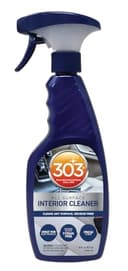
303 Products Interior Cleaner for Dash, Glass & Screens

303 Products Interior Cleaner for Dash, Glass & Screens

The one rated for screens, which in a modern car matters enormously. Infotainment displays have anti-glare coatings that ammonia-based cleaners destroy, and most interior sprays are silent on the subject.

Best dashboard cleaner
$11.49 · View on Amazon

Price as of September 18, 2026. #ad How we’re funded

2
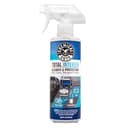
Chemical Guys Total Interior Cleaner & Protectant

Chemical Guys Total Interior Cleaner & Protectant

Cleans and protects in one pass across every surface in the cabin, which is the right shape for a product most people will use once a month. One bottle, one towel, dash to door cards, no swapping.

Best one-step clean and protect
$11.97 · View on Amazon

Price as of September 18, 2026. #ad How we’re funded

3
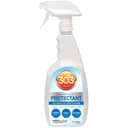
303 Products Aerospace Protectant

303 Products Aerospace Protectant

Not a restorer at all - a UV protectant, and the reason we include it is that prevention is the actual answer here. Trim fades because of sun exposure; treating undamaged trim with this is far more effective than restoring it after the fact.

Best matte UV protectant
$25.99 · View on Amazon

Price as of September 18, 2026. #ad How we’re funded

4
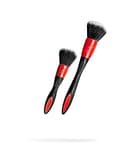
Adam's Polishes Interior Brush (Combo)

Adam's Polishes Interior Brush (Combo)

The gap between a wiped cabin and a detailed one is the dust living in vents, seams and cup holders, and a towel will never reach it. Two brushes - a long-handled soft one for screens and delicate trim, a chemical-resistant one for heavy cleaning - cover both ends of that job.

Best brush for vents and screens
$19.54 · View on Amazon

Price as of September 18, 2026. #ad How we’re funded

#1Top pick — Best dashboard cleaner

303 Products Interior Cleaner for Dash, Glass & Screens

The one rated for screens, which in a modern car matters enormously. Infotainment displays have anti-glare coatings that ammonia-based cleaners destroy, and most interior sprays are silent on the subject.

This is the one to start with because it clears the check most dashboard sprays skip: 303 names LCD screens on its own product page and tells you to spray it onto a microfiber cloth for them. It is residue-free and, in 303’s words, never greasy or glossy, so it won’t add glare to the upper dash.

The trade-off is protection. It is a pure cleaner, and 303 itself says to follow up with a separate protectant for long-lasting UV defense — which is why a matte protectant is also on this list.

Strengths

  • Explicitly rated for dash, glass and screens - unusual and useful
  • Leaves a matte, non-reflective finish rather than a gloss
  • No greasy residue to attract dust back onto the dash

Trade-offs

  • Pure cleaner - no UV protection left behind
  • 16 oz goes quickly if it is your only interior product
What it isScreen-safe interior cleaner, matte finish, 16 oz
Size16 oz
CoverageNot published
TypeCleaner (no protectant)
Rated surfacesDash, glass, screens
FinishMatte

Specs read from the product listing, on August 18, 2026. “Not published” means the brand does not state that figure.

#2Best one-step clean and protect

Chemical Guys Total Interior Cleaner & Protectant

Cleans and protects in one pass across every surface in the cabin, which is the right shape for a product most people will use once a month. One bottle, one towel, dash to door cards, no swapping.

If you want one bottle and one towel, this is it. Chemical Guys says Total Interior adds UV protection against fading and cracking, dries with no greasy feel and no added gloss, and can be used on navigation screens, LCDs and clear plastics as long as you mist it onto the towel first.

What you give up is a little of each job: it won’t clean as purely as a dedicated cleaner or protect as long as a dedicated protectant. For a weekly dust-and-wipe, that compromise is the right one.

Strengths

  • Cleans and leaves UV protection in a single application
  • Rated across the interior rather than for one material
  • Cheap enough to use liberally and often

Trade-offs

  • A combined cleaner/protectant is a compromise at both jobs
  • Not strong enough for set-in fabric stains
What it isAll-surface interior cleaner and protectant, 16 oz
Size16 oz
CoverageNot published
TypeCleaner + protectant
FinishNot published
DilutionReady to use

Specs read from the product listing, on August 18, 2026. “Not published” means the brand does not state that figure.

#3Best matte UV protectant

303 Products Aerospace Protectant

Not a restorer at all - a UV protectant, and the reason we include it is that prevention is the actual answer here. Trim fades because of sun exposure; treating undamaged trim with this is far more effective than restoring it after the fact.

The follow-up for a car that parks outside. 303 says it dries to a matte finish with no oily or greasy residue, claims it blocks up to 98 percent of UV radiation when used properly and consistently, and gives a reapplication window of every three to five weeks.

Read the exclusions before it goes near a dashboard: 303 does not recommend it for clear plastics, gauge panels or unfinished leather such as suede. Apply it to the towel, keep it off the instrument cluster lens and the screens, and buff it completely dry.

Strengths

  • UV protection for vinyl, plastic and rubber - stops the fade happening
  • Matte, non-greasy finish that does not sling
  • 32 oz covers trim, wheel arches, dashboards and weather seals

Trade-offs

  • Does not restore already-faded trim - it is preventative
  • Needs reapplying periodically to keep the UV protection current
What it isUV protectant for vinyl, plastic and rubber, 32 oz
Size32 oz
CoverageNot published
TypeUV protectant (preventative)
Rated surfacesVinyl, plastic, rubber
Rated durabilityNot published

Specs read from the product listing, on August 18, 2026. “Not published” means the brand does not state that figure.

#4Best brush for vents and screens

Adam's Polishes Interior Brush (Combo)

The gap between a wiped cabin and a detailed one is the dust living in vents, seams and cup holders, and a towel will never reach it. Two brushes - a long-handled soft one for screens and delicate trim, a chemical-resistant one for heavy cleaning - cover both ends of that job.

The towel handles the open panels; this handles everything else. The listing rates the soft brush for gauges, navigation screens and glossy piano trim, and the second brush is chemical-resistant for working cleaner into vents and seams. Adam’s says its interior brushes can be used dry to dust delicate surfaces, or with a light mist of cleaner in the bristles for vents and switches.

It costs more than a no-name brush set, and two brushes won’t fit every slat. But on the surfaces that show every mark — piano black, gauges and screens — a brush the maker rates for them beats a cheap one that isn’t.

Strengths

  • Soft nylon bristles the listing rates for gauges, navigation screens and glossy piano trim
  • The all-purpose brush is chemical-resistant and acid-safe, so cleaners will not destroy it
  • Bristles set in epoxy rather than glued, which is why cheap brushes shed and these do not

Trade-offs

  • Two brushes will not fit every crevice - very tight vent slats still need a thinner tool
  • Nylon is firmer than boar's hair, so go gently on the softest leather
  • Costs several times what a no-name brush multipack does
What it isTwo-brush interior set: soft long-handle brush plus a chemical-resistant all-purpose brush
SizeCombo, 2 brushes
CoverageNot published
Count2
BristlesSoft nylon, epoxy-set
Chemical resistanceChemical-resistant and acid-safe (all-purpose brush)
Part numberBRUCOMBO

Specs read from the product listing, on September 1, 2026. “Not published” means the brand does not state that figure.

Step by step: how to clean a car dashboard

  1. Clear the dash and open the doors. Take everything off the dashboard and work with the doors open. The EPA notes that cleaners and solvents release volatile organic compounds, so ventilation matters in a space this small.
  2. Dust with a dry microfiber.Lift loose dust off every panel before any liquid comes out, so the cleaner doesn’t turn it into a smear that settles into the grain.
  3. Brush and vacuum the vents, seams and buttons.Work a soft detailing brush into vent slats, panel seams and around switches, and hold the vacuum’s brush attachment nearby to catch what comes loose.
  4. Do the screens and gauge lens first.Turn the display off. Use only what your owner’s manual allows — a dry display cloth, or a screen-rated cleaner misted onto a clean, soft microfiber — and wipe with light pressure. Starting here means the towel isn’t already loaded with product.
  5. Mist the cleaner onto a microfiber towel. A light mist on the towel, never a spray at the dash, keeps product out of airbag covers, off the windshield and away from the edges of screens.
  6. Wipe panel by panel, top down. Clean one section at a time, with the brush for textured grain and seams. Switch to a pH-balanced leather cleaner on any leather-wrapped sections.
  7. Buff dry with a second clean towel. Wipe away remaining moisture and residue with a clean, dry microfiber so the dash dries even and matte, not blotchy.
  8. Add a matte UV protectant if the car lives outside. Apply it to the towel, wipe it onto clean, dry plastic and vinyl, keep it off clear plastics and gauge panels, and buff it completely dry.

Mistakes that damage a dashboard

  • Household and glass cleaners.Ford’s manual says they may damage the instrument panel finish, and Chemical Guys says ammonia and household glass cleaners strip the anti-glare coatings on screens.
  • Vinegar as a “natural” cleaner.Chemical Guys warns that its acidity can break down the dash’s protective coatings.
  • Spraying the dash directly. It floods seams, fogs the windshield with overspray and risks product entering an airbag cover.
  • Glossy, silicone-heavy dressings. They reflect into the windshield and hold onto dust. Ford says the upper dash is dull on purpose.
  • Paper towels, rough rags and scrub pads. Chemical Guys notes they shed lint and can scratch, which matters most on piano black and screens.
  • Hand sanitizer and air freshener drips.Ford’s manual says to keep both from spilling onto interior surfaces, and Tesla lists alcohol-based gels among the products that can damage interior components.
  • Protectant on the gauge lens. 303 excludes clear plastics and gauge panels from its Aerospace Protectant, so keep dressings on opaque trim only.

A routine that keeps the dash easy

Chemical Guys suggests cleaning the dashboard about once a week, which sounds like more work than it is: a dry dusting and a quick brush through the vents takes a couple of minutes and stops grime building up in the first place. Do the full wipe with cleaner when the dash actually looks or feels dirty, not on a timer. If you use 303’s protectant, its own reapplication window is every three to five weeks. And a sunshade does more for a dashboard than any bottle — Chemical Guys recommends one alongside UV protection to keep a dash from turning sticky.

The dash also sits in the middle of a bigger sequence. Do it after vacuuming and before the glass, since dash work throws dust and overspray at the windshield — our streak-free window guide picks up exactly where this one ends, and the full interior detailing guide puts every step in order. If you’d rather compare more bottles first, our best interior cleaner roundup ranks five of them on screens, fabric and finish. And for the fabric above your head, which wants a very different, low-moisture approach, see our guide to cleaning a car headliner.

A note on safety. Work with the doors open: interior cleaners release volatile organic compounds, and a car cabin is a very small room. Apply every product to the towel, never straight onto the dash — Tesla says not to let any substance enter an airbag cover, and Ford warns that chemical solvents or strong detergents on the steering wheel and instrument panel can contaminate the airbag system. Keep liquid away from the edges of screens and switches, and follow your owner’s manual wherever it is stricter than a product label.

Frequently asked questions

What is the best thing to clean a car dashboard with?

A microfiber towel lightly misted with an interior cleaner that leaves a matte finish, used after you've dusted and brushed out the vents. If the dash includes touchscreens, choose a product whose maker explicitly names screens - 303 Interior Cleaner and Chemical Guys Total Interior both do - and check your owner's manual first, because some automakers, Tesla among them, want displays cleaned with a dry display cloth only. Leather-wrapped sections need a pH-balanced leather cleaner instead.

Can I use household products like Windex or vinegar on my dashboard?

It's best not to. Ford's owner's manual says household and glass cleaners may damage the instrument panel finish, Chemical Guys says ammonia and household glass cleaners strip the anti-glare coatings on screens, and it warns that vinegar's acidity can break down a dashboard's protective coatings. If you want to stick with what you have at home, Ford's own method is a damp white cotton cloth followed by a dry one, with mild soap and water only for spills.

How do I clean a car dashboard without chemicals?

Dust it with a dry microfiber, brush out the vents and seams, then wipe with a soft cloth dampened with plain water and dry it with a second clean cloth - essentially the damp-then-dry method Ford's owner's manual gives for the instrument panel. That handles routine dust and light grime well. What it can't do is leave UV protection behind, so a car that parks in the sun still benefits from a matte protectant now and then.

How do I fix a sticky dashboard?

Chemical Guys traces sticky dashboards to spills, sun-baked plastic, wear, or dressings that never cured. Mist an interior cleaner onto a microfiber, work the sticky areas with the towel and a soft brush, wipe with a fresh towel, and repeat rather than scrubbing harder. Skip household cleaners, vinegar and abrasive pads. If several gentle passes don't change the feel, the problem is probably the material itself, which no cleaner can rebuild.

How do I clean my car's touchscreen without damaging it?

Check the cleaning section of your owner's manual first, because it can be stricter than any product label - Tesla, for example, says to use only a soft lint-free display cloth, with no glass cleaner, wet wipes or freshly washed microfiber. If your manual allows a cleaner, use an ammonia-free product whose maker names screens, mist it onto the cloth rather than the screen, turn the display off, and wipe with light pressure.

Will a dashboard protectant cause glare on my windshield?

A glossy one can. Ford's manual says the dull upper instrument panel helps protect you from windshield reflection and warns against products that increase gloss, and Tesla says not to polish the upper dashboard for the same reason. A matte protectant avoids the problem - 303 says its Aerospace Protectant dries to a matte finish with no greasy residue. Apply it to the towel, keep it off the gauge lens, and buff it completely dry.

How often should I clean my car dashboard?

Chemical Guys suggests about once a week, and most of that is a quick dry dusting and a brush through the vents. Do a full wipe with cleaner when the dash actually looks or feels dirty. If you use a UV protectant, follow the maker's reapplication interval - 303 gives every three to five weeks for its Aerospace Protectant - and use a sunshade whenever the car is parked in the sun.

Sources

  • Chemical Guys — What You Should Use To Clean Inside Your Car's Dashboard RegularlyClear and dust the dash first, mist cleaner onto a microfiber towel to avoid oversaturation, brush vents, buttons and seams; silicone products leave a greasy residue that attracts dust; household cleaners can dry and crack the dash; leather wants a pH-balanced cleaner, Alcantara a soft brush and dabbing; aim to clean the dash once a week (accessed September 18, 2026)
  • Chemical Guys — Touch Screen Cleaning 101: Do's and Don'ts for Car DisplaysUse a clean, soft microfiber and an ammonia-free cleaner; avoid ammonia, bleach, solvents and household glass cleaners, which strip anti-fingerprint and anti-glare coatings; alcohol only if the vehicle or screen maker approves it; distilled water for light cleaning; mist the towel, never the screen; turn the display off; light pressure (accessed September 18, 2026)
  • Chemical Guys — Sticky Dashboard? Here's How to Clean and Restore ItSticky dashboards come from spills, sun-baked plastics, wear or dressings that never cured; UV breaks down plastic and vinyl and heat melts adhesives; apply product to the towel, work sticky spots with towel and brush, wipe with a fresh towel; avoid household cleaners, vinegar, abrasive pads, excess liquid and paper towels; prevent with a sunshade and UV protectant (accessed September 18, 2026)
  • Tesla Service — Interior Cleaning (Cybertruck)Automaker guidance: clean displays only with a soft lint-free cloth made for monitors - no glass cleaner, alcohol gels, wet wipes or a dry statically charged cloth such as a recently washed microfiber; do not polish the upper dashboard because reflective surfaces interfere with the driving view; do not let any substance enter an airbag cover; solvents, alcohol, bleach, citrus, naphtha and silicone-based products can damage interior components (accessed September 18, 2026)
  • Ford Owner's Manual (2014 Fusion Hybrid/Energi) — Cleaning the Instrument Panel and Instrument Cluster LensAutomaker guidance: clean with a damp white cotton cloth, then dry with a clean dry one; no chemical solvents or strong detergents on the steering wheel or instrument panel (airbag contamination); no cleaners or polishes that increase gloss, since the dull upper panel limits windshield reflection; no household or glass cleaners; mild soap and water for spills (accessed September 18, 2026)
  • Gold Eagle Co. (303 Products) — 303 Automotive Interior CleanerMaker page: safe on vinyl, plastic, rubber, leather, fabric/upholstery, carpet, glass and LCD screens; residue-free, natural finish, never greasy or glossy; for screens spray onto a microfiber cloth and wipe gently; for long-lasting UV protection follow up with a separate 303 protectant (accessed September 18, 2026)
  • Chemical Guys — Total Interior Cleaner & ProtectantMaker page: for leather, vinyl, plastic, carpet, cloth, wood, glass and navigation screens; adds UV protection against fading and cracking; dries with no greasy feel and no added gloss; mist onto a towel for GPS, LCD, clear plastics and screens; agitate cloth and upholstery with a soft brush and blot fabric dry with a separate clean towel (accessed September 18, 2026)
  • Gold Eagle Co. (303 Products) — 303 Aerospace ProtectantMaker page: matte finish with no oily or greasy residue; claims it blocks up to 98% of UV radiation if used properly and consistently; use on clean, dry surfaces, wipe completely dry, extra buffing helps; reapply every 3-5 weeks; not recommended for clear plastics, unfinished leather, gauge panels or headlights (accessed September 18, 2026)
  • Gold Eagle Co. — Why UV Protection Matters: How to Keep Dashboards, Leather, and Plastics Looking NewUV weakens the polymers that keep plastics flexible, leaving them chalky, brittle, warped or cracked over time, and the damage builds day by day; silicone-based products can look shinier but feel greasy and attract dust; the goal is protection, not a shiny or slick surface, and greasy residue can create glare on dashboards (accessed September 18, 2026)
  • Adam's Polishes — Interior Cleaning In Depth Write-UpBlow dust from the dash top and vents, use soft interior brushes on the gauge cluster and screens; for headliners, a few light sprays of cleaner into a towel then gently dab and wipe; for heavier stains, several light cleanings with drying time between so the glue holding the fabric to the backing board is not weakened; Alcantara/suede headliners follow separate guidelines (accessed September 18, 2026)
  • Adam's Polishes — Interior DetailerMaker page: matte, never greasy finish on dashes, door panels and touch screens, with UV blocking and anti-static additives; spray onto a towel; notes the formula contains silicone and may be smeary on glass or screens if used excessively, so detail screens first (accessed September 18, 2026)
  • Adam's Polishes — Large Interior Detailing BrushSoft synthetic bristles for gauge clusters, nav screens, piano black trim, vents and buttons; mist cleaner into the brush head for vents and switches, or use it dry to dust delicate surfaces (accessed September 18, 2026)
  • US EPA — Volatile Organic Compounds' Impact on Indoor Air QualityVOCs are off-gassed by cleaners and solvents; ventilate when using interior chemicals in an enclosed cabin (accessed July 18, 2026)

Keep reading