Decontamination
The step between washing and protecting — clay bars, iron removers and all-purpose cleaners that strip bonded contamination glue-slick smooth.
Run your hand over a freshly washed car and it still feels gritty. That roughness is bonded contamination— brake dust, rail dust, industrial fallout, overspray, tree sap and tar that has physically or chemically stuck to the clear coat. Washing floats off loose dirt, but it can’t lift what’s bonded on. That’s what decontamination is for, and it’s the step most home washers skip entirely.
There are two kinds of contamination and two tools for them. Mechanical contamination — the gritty bits you can feel — comes off with a clay bar or clay mitt and plenty of lubricant. Chemicalcontamination — embedded iron particles that rust and etch — is dissolved with an iron remover that bleeds purple as it reacts. Do both and the paint goes glass-smooth, which is exactly the surface a wax or coating needs to bond to.
Everything in Decontamination
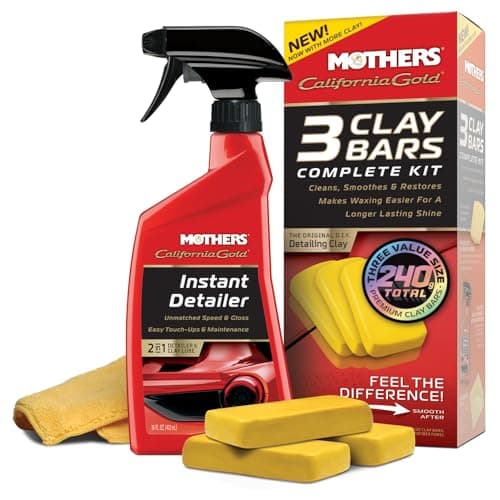
Best Clay Bar & Clay Mitt
Clay bars, mitts and kits compared on grade and coverage — how to pull bonded grit off paint before you coat it.
Our top pick
Mothers California Gold Clay Bar System
$21.46 · View on AmazonPrice as of October 16, 2026. #ad How we’re funded
How to Use a Clay Bar
The step-by-step for claying paint safely — lube, technique, and how to tell when a panel is done.
What Is Paint Decontamination?
Why washing alone leaves paint rough, the two kinds of contamination, and where clay and iron remover fit.
Clay Bar vs Clay Mitt
The classic clay bar or the faster clay mitt — how they compare on safety, speed and reuse, and which suits your paint.
How to Remove Iron Fallout
The bleeding-purple step explained — what iron fallout is, why clay alone misses it, and how to chemically strip it safely.
Iron Remover vs Clay Bar
Two decontamination steps that do different jobs: which one pulls chemical fallout, which one pulls physical grit, and why you want both.
How to Remove Tar From Car Paint
Road tar wipes off with the right solvent and zero scrubbing: what to use, how to protect the paint, and what to do after.
How to Remove Tree Sap From a Car
Why sap etches if you leave it, and the gentle heat-and-solvent method that lifts it off without marring the clear coat.
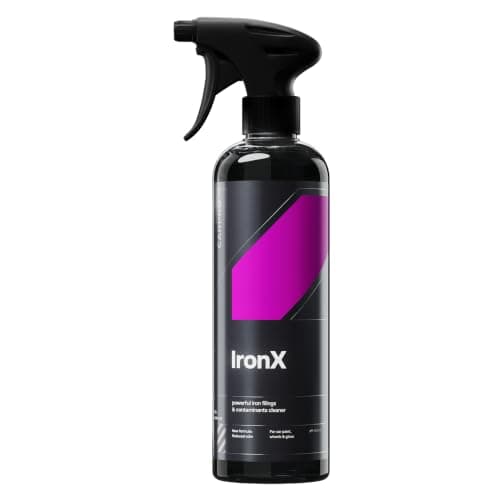
Best Iron Remover
Iron and fallout removers compared - the chemical decontamination step that decides whether your coating lasts.
Our top pick
CarPro IronX Iron Remover
$29.94 · View on AmazonPrice as of October 16, 2026. #ad How we’re funded
Best Bug & Tar Remover
Bugs and tar are two different problems sharing one aisle - protein versus petroleum. Products sorted by which job they actually claim, and whether they strip your protection doing it.
Our top pick
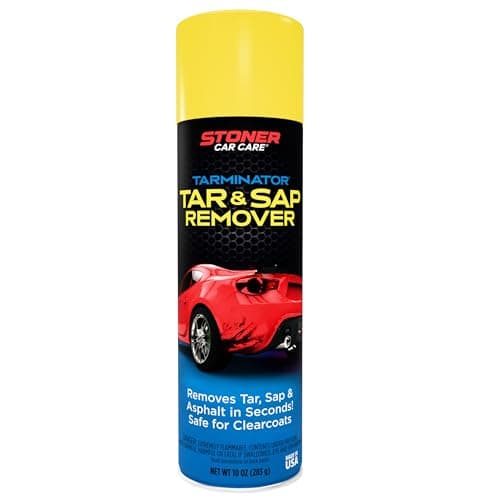
Stoner Car Care Tarminator Tar & Sap Remover (10 oz, 91154)
$9.38 · View on AmazonPrice as of October 16, 2026. #ad How we’re funded
Best All-Purpose Cleaner for Car Detailing
Detailing APCs compared on dilutability and strength - the one bottle that becomes five products.
Our top pick
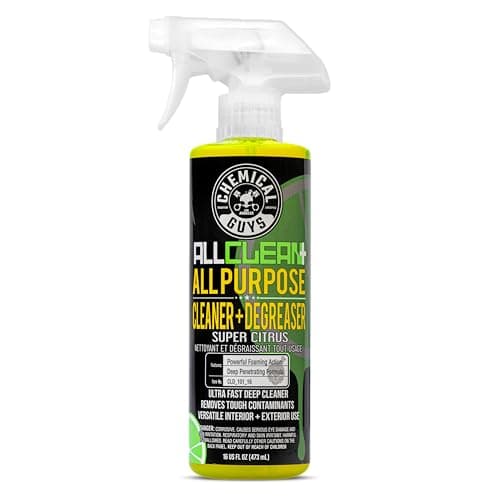
Chemical Guys All Clean+ Citrus All-Purpose Cleaner
$11.99 · View on AmazonPrice as of October 16, 2026. #ad How we’re funded
Do You Need to Clay Bar Your Car?
A free fingertip test decides it, not a calendar - and the answer differs before waxing, before polishing and before a coating. No maker publishes a claying interval.
How to decontaminate paint
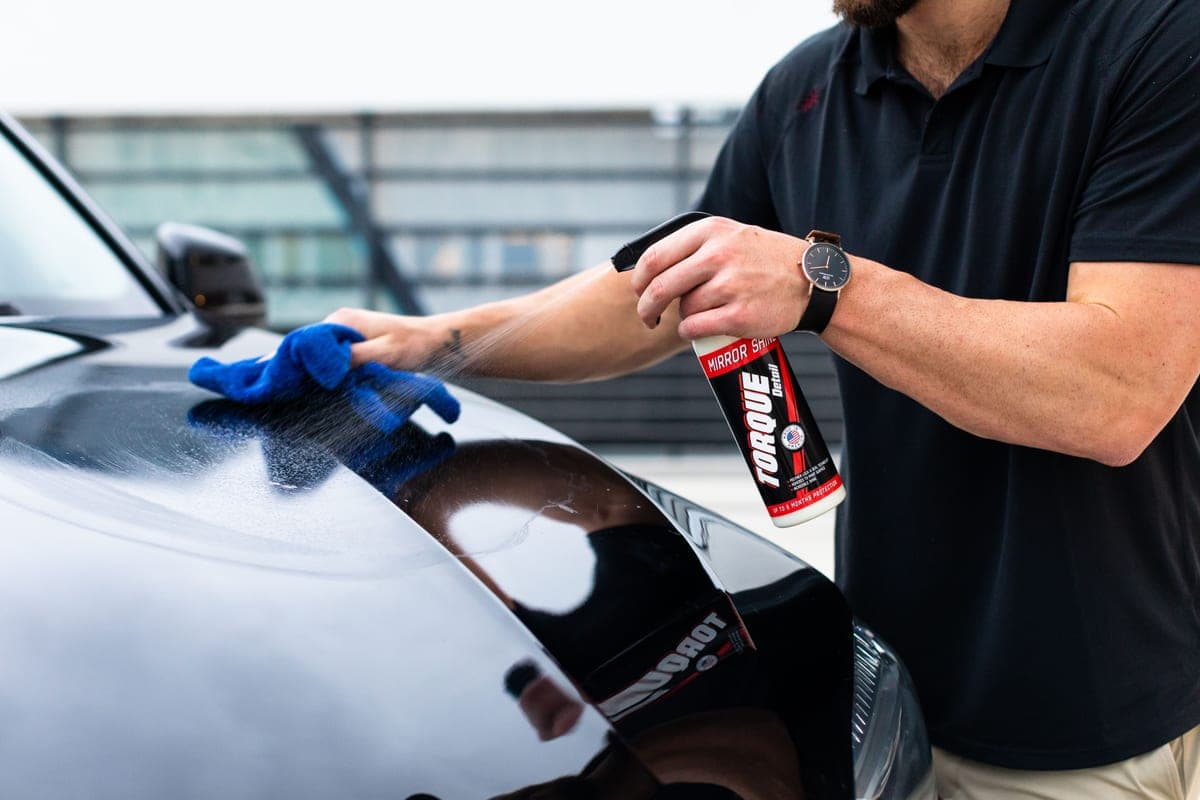
The order is simple: wash first, then decontaminate, then protect. Start with the feel test — the baggie test (a hand inside a sandwich bag) exaggerates the roughness so you can feel what a bare hand misses. If it’s rough, clay it. Use lots of lubricant, keep light pressure, and fold the clay to a fresh face often; our step-by-step on how to use a clay bar covers the technique.
Clay marrs slightly — plan for it
Even used correctly, clay leaves fine marring, especially the faster reusable mitts. That’s fine if it’s part of a bigger job: decontaminate, then polishto remove the marring, then protect. If you’re only claying for a wax, a fine-grade bar with lots of lube keeps marring to a minimum.
When to decontaminate
Roughly once or twice a year for a daily driver, and always before applying a ceramic coating. A coating bonds to the surface, so any bonded grit left underneath is sealed in for the coating’s entire life.
Frequently asked questions
Do I really need to clay bar my car?
Not on every wash — but if the paint feels rough after washing, or you're about to wax or coat it, yes. Bonded contamination blocks protection from adhering and keeps paint from feeling and looking its best. Once or twice a year is plenty for most cars.
Can a clay bar damage my paint?
Used with plenty of lubricant it's safe, but it leaves fine marring, and a dropped bar picks up grit that will scratch. Keep the surface well-lubricated, fold to a clean face often, and never reuse a bar you've dropped.
What's the difference between mechanical and chemical decontamination?
Mechanical decontamination uses clay to physically pull off bonded grit you can feel. Chemical decontamination uses an iron remover to dissolve embedded metal particles you often can't feel until they rust. A thorough job does both.
Sources
- Chemical Guys — How To Clay Bar Your Car — Clay removes bonded contaminants (brake dust, rail dust, fallout, overspray, tar, sap) that washing can't; lubricant prevents marring (accessed July 18, 2026)
- Gtechniq — Everything You Need to Know About Ceramic Coatings — Manufacturer explainer: ceramic coatings are SiO2-based, bond to the clear coat, are hydrophobic, and act as a sacrificial protective layer that lasts multiple years (accessed July 18, 2026)