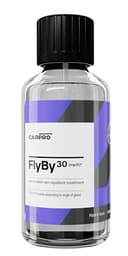
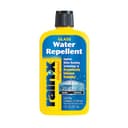
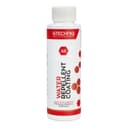
Repellent, sealant or coating?
The terms are used loosely and the differences are real. A water repellentlike the classic Rain-X sits on the glass and wears off relatively quickly — cheap, effective, and reapplied every couple of months. A glass sealant or coating bonds chemically to the silica in the glass and is formulated to survive wiper abrasion for far longer, at the cost of real prep. A 2-in-1 cleaner-coating splits the difference: less durable, no separate prep step, and impossible to get wrong.
Worth noting plainly: none of these brands publish a rated durability figure on their listings, which is why that row is empty across the table above. Treat any specific month count you see quoted as an estimate.
Prep is the whole job
Windshield glass is not clean, even when it looks it. It carries bonded road film, baked-on traffic grime, water spots and often old wiper-fluid residue — and a coating applied over that layer bonds to the layer, not the glass, so it comes off with it.
Do this properly and once: wash the car; use a water-spot remover if there is any mineral deposit; clay the glass with a clay bar, which works on glass exactly as it does on paint and will feel dramatically different afterwards; then, for the longer-lasting coatings, polish the glass with a dedicated glass polish to remove the last of the bonded film. Finish with an alcohol wipe-down so the surface is chemically bare when the coating goes on.
That sequence is why a five-dollar repellent and a thirty-dollar coating can perform identically for someone who skips prep — and why the coating lasts several times longer for someone who does not.
Applying and living with it
Work in the shade on cool glass, one section at a time. Apply thin and evenly with the supplied applicator, let it haze for the time the label states, then buff off completely with a clean, dry, low-pile microfiber. Residue left behind is what causes the smeary halo people complain about, so buff more thoroughly than feels necessary and turn to a fresh towel face often.
Do the side windows and mirrors too. Mirrors are where beading is most obviously useful in traffic, and they take thirty extra seconds.
Wipers, and the honest downside
Worn wiper blades on a freshly coated windscreen can judder and chatter, because the surface is now far more slippery than the blade was worn in against. If your blades are more than a year old, replace them at the same time. And do not run dry wipers on a coated screen at all — that is the fastest way to abrade the coating off.
Reapply when beading visibly slackens: droplets that used to fly off start smearing instead. On a bonded coating with proper prep that is a long interval; on a consumer repellent it is a routine part of seasonal maintenance. The same principle applies here as on paint — see coating maintenance.
If your shortlist is really just the two names everyone knows, we settled those on what each maker publishes in Aquapel vs Rain-X — one states a bonding mechanism and a durability claim, the other states neither.