Detailing Guides
How to actually detail a car — the process from wash to protect, what the jargon means, and where a beginner should start.
Detailing has a vocabulary problem. “Decontamination,” “paint correction,” “cut and throw,” “pH-neutral,” “hydrophobicity” — the words are used to gatekeep as often as to explain. These guides do the opposite. They walk the actual process in plain English, tell you what each step is for, and point you at the gear that does it, so you can decide what’s worth your time and money and what isn’t.
The whole of car detailing follows one order: wash, decontaminate, correct, protect— then the wheels and the interior. Each stage removes something the last one couldn’t and prepares the surface for the next. You don’t have to do all of it every time; understanding the order is what lets you skip the parts you don’t need without wrecking the parts you do.
Everything in Guides
How to Detail Your Car: The Complete Process
The full wash - decontaminate - correct - protect process, step by step, with the gear each stage needs.
Car Detailing vs Car Wash: What's the Difference?
What separates a detail from a wash, what each actually gets you, and when to pay for which.
Car Detailing for Beginners: Where to Start
The short list of gear that actually matters first, the order to buy it, and the beginner mistakes to skip.
How Much Does Car Detailing Cost?
What a professional detail costs by service level, what drives the price, and how much a DIY setup really saves you over time.
Car Detailing Glossary: The Jargon Explained
Plain-English definitions for the terms — from clear coat and clay to SiO2, DA, IPA wipe-down and cut-and-polish.
Interior vs Exterior Detailing: What's the Difference?
What each half of a detail actually covers, why they use completely different products, and how to plan a full detail around both.
How Long Does It Take to Detail a Car?
Realistic time estimates for a wash, a full DIY detail and a paint correction, and what actually makes a detail take longer.
Where to start
If you’re new, read car detailing for beginnersfirst — it’s the short list of gear that actually matters and the order to buy it. Then the pillar guide, how to detail your car, walks the entire wash-to-protect process end to end and links out to every stage. And if you’re just trying to decide whether to pay someone, car detailing vs car wash explains exactly what you get for the money.
The process, in one paragraph
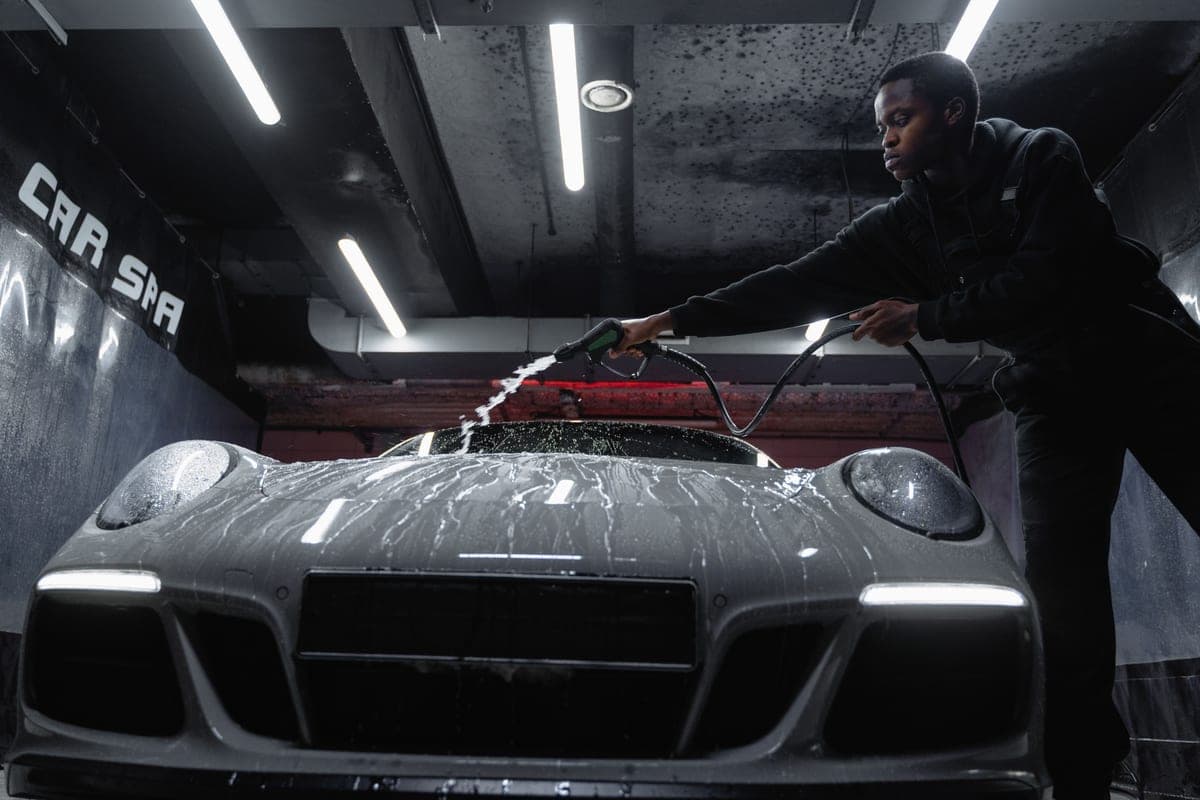
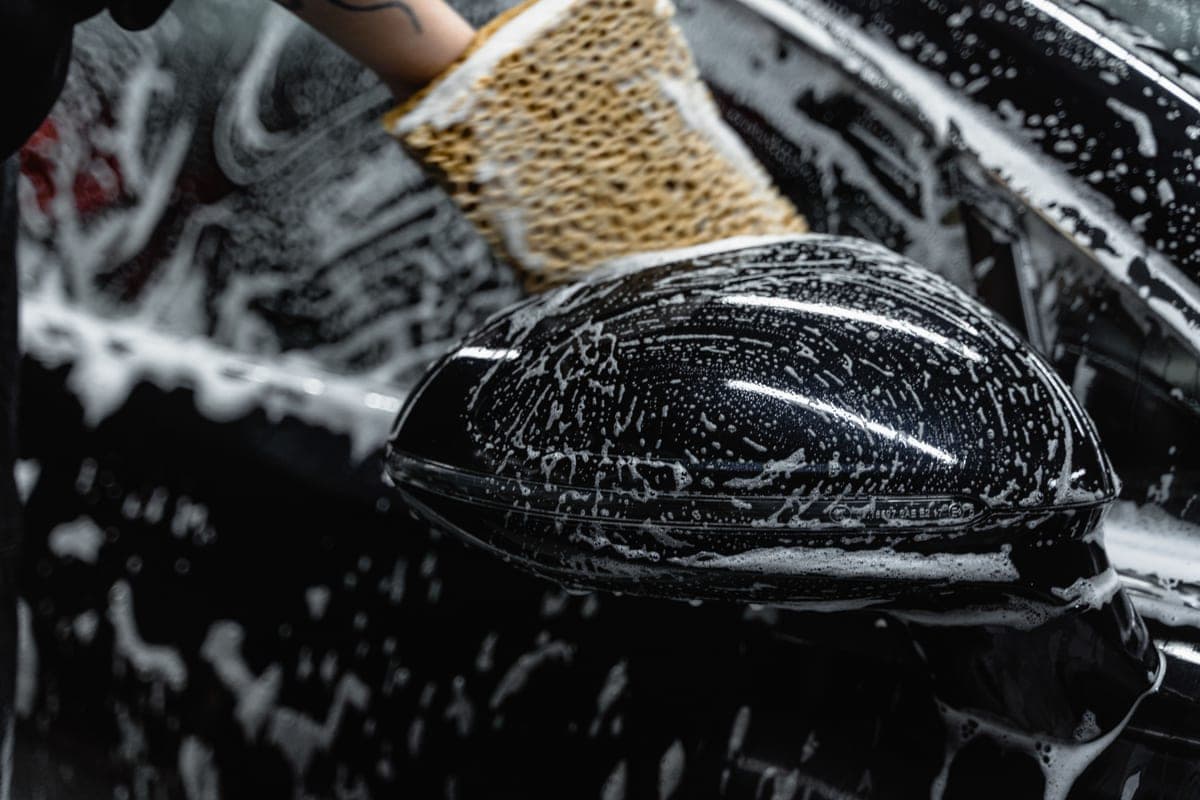
Wash to remove loose dirt safely. Decontaminate to pull off the bonded grit washing leaves behind. Correct (optional) to remove swirls from the clear coat. Protect with a wax, sealant or coating. Then clean the wheels and the interior. That’s the whole game.
You don’t need everything at once
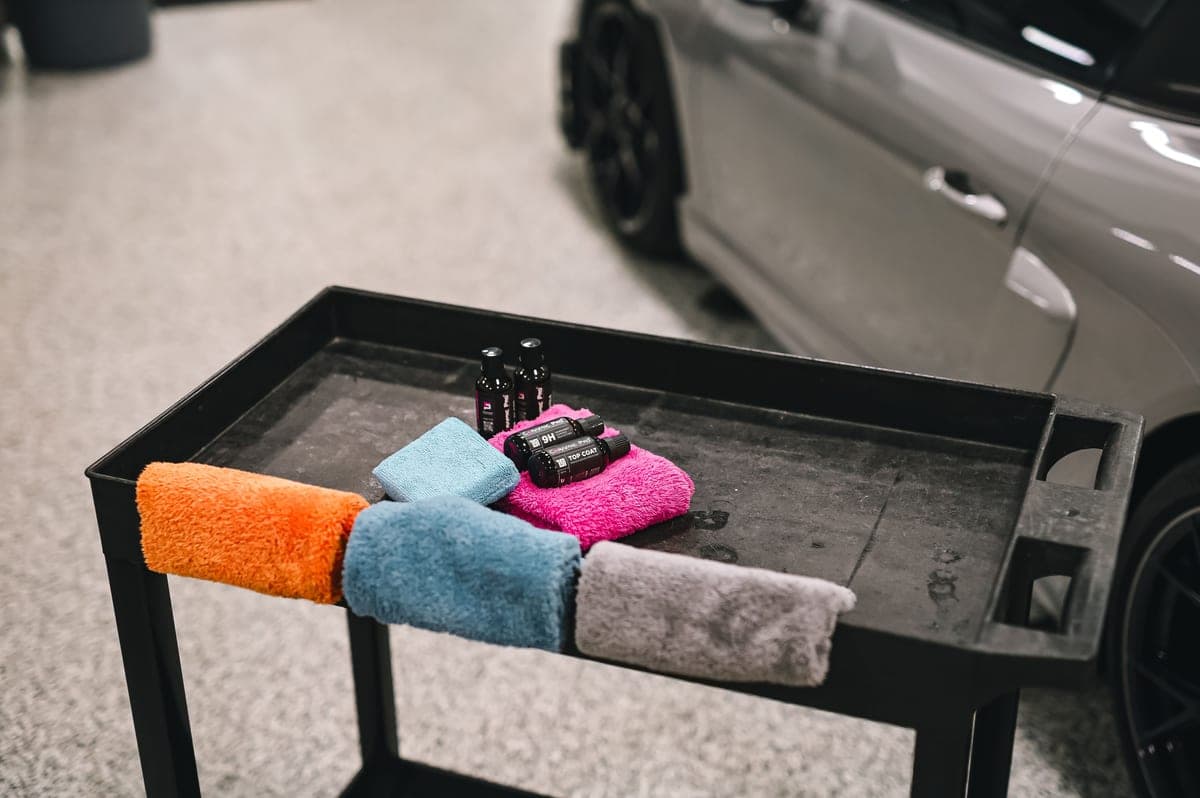
A great wash and a decent protectant get a daily driver 80% of the way there. Add decontamination a couple of times a year, and correction only when swirls actually bother you. Build the kit gradually — a complete starter kit is the cheapest way to get the essentials in one box.
Frequently asked questions
What order should I detail a car in?
Wash, decontaminate, correct (polish), then protect (wax, sealant or coating) — followed by the wheels and interior. Each step prepares the surface for the next, and protecting over an unwashed or swirled surface just seals in the problems.
Do I need to do every step every time?
No. Wash regularly, decontaminate once or twice a year, correct only when swirls bother you, and top up protection as it wears. Understanding the full process is what lets you safely skip the steps you don't need.
Is DIY detailing really cheaper than paying a shop?
Over time, yes. The gear pays for itself in a few details, and consumables like soap cost pennies per wash. A professional detail is worth it for a deep one-off restoration; for ongoing maintenance, doing it yourself is far cheaper and often gentler on your paint.
Sources
- Chemical Guys — Two Bucket Method Car Wash Guide — Separate wash and rinse buckets keep contaminated water off the mitt — the main source of wash-induced swirl marks (accessed July 18, 2026)
- Chemical Guys — How To Clay Bar Your Car — Clay removes bonded contaminants (brake dust, rail dust, fallout, overspray, tar, sap) that washing can't; lubricant prevents marring (accessed July 18, 2026)
- Griot's Garage — How-To: Polish — Machine polishing removes swirls, light scratches, water spots and oxidation; work small sections and start least-aggressive (accessed July 18, 2026)