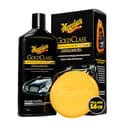
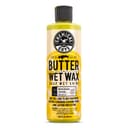
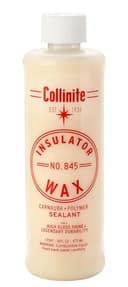
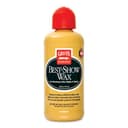
How to choose a car wax
Waxes look more complicated than they are. Strip away the marketing and there are really only three decisions: natural or synthetic, what format, and how long you want it to last. Get those right and almost any reputable wax on this list will make your car look noticeably better.
Carnauba or synthetic?
This is the big one. Carnaubais a natural wax from a Brazilian palm, and it gives the finish enthusiasts chase — a warm, deep, almost liquid glow that looks especially good on dark paint. The catch is longevity: a pure carnauba typically lasts only a few weeks before it needs reapplying. Syntheticwaxes (and sealants, their close cousins) are engineered polymers that bond to the paint and shrug off heat, rain and washes far better — Chemical Guys notes they can hold on for up to six months. They look a little cooler and glassier rather than warm. Most modern waxes, including our top pick, are a blendthat leans one way or the other to get some of both. Pick carnauba if you love the look and don’t mind waxing often; pick a synthetic or hybrid if you’d rather do it half as many times.
Liquid, paste or spray?
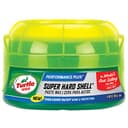
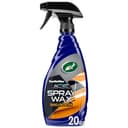
Format decides how much effort the job takes. A liquidis the sweet spot for most people — it spreads thin and buffs off easily, which is why beginners rarely go wrong with one. A paste is the traditional tin; it lasts forever on the shelf and costs the least, but the harder wax takes more elbow grease to work. A spraywax is the quickest of all, but that speed is a trade: it lays down a fraction of the protection and is best thought of as a topper between real waxings, not a replacement for one. That’s exactly why our “skip this” pick is a spray sold as a full wax.
How long should a wax last?
Set your expectations honestly. A carnauba lasts roughly three to eight weeks; a durable synthetic like Collinite 845 can stretch to months. Nothing in a bottle of wax lasts years — that’s the job of a ceramic coating, which bonds to the clear coat and protects for two to five years. If you find yourself wishing your wax lasted longer, that wish is the sign you might actually want a coating, or at least a synthetic sealant. We walk through that decision in is a ceramic coating worth it?
What actually shortens a wax’s life
Two cars waxed with the same product can hold it for very different lengths of time. The variables are how the car is stored (a garaged car keeps wax far longer than one baking outside), how often and how it’s washed, and how well the paint was prepped first. Harsh, high-pH or dish soaps strip wax quickly; a pH-neutral car shampoo is what keeps it alive between coats. Heat, UV and road salt all wear it down faster too.
Prep matters more than the wax
Here’s the part most people skip and then blame the wax for. Wax bonds to and shines up whatever is under it — including dirt, water spots and swirl marks. Wax over a dirty, rough car and you get a slightly glossy dirty, rough car. To get the finish these products are capable of, wash the car first, then feel the paint: if it’s gritty, it needs a clay barto pull off bonded contamination before you wax. If the paint is swirled and you want those gone rather than sealed in, that’s a paint correction job that happens before waxing, not after. Wax is the last step, the bow on top — not a cover-up.
How to apply wax (the short version)
The method is the same for almost every wax here. Work in the shadeon a cool, clean, dry panel — never in direct sun, which flashes the wax before you can buff it. Put a small amount on a foam applicator and spread a thin, even coat — more wax is not more protection, it just wastes product and makes buffing harder. Do one or two panels at a time. Let it haze (follow the label; a minute or two is typical), then buff it off with a clean, plush microfiber towel, flipping to a dry side as it loads up. That’s it. A second coat an hour later deepens the look on show waxes, but one good thin coat is all most cars need. For where waxing fits in the full routine, our complete detailing processlays out the wash → decontaminate → correct → protect order end to end.
How much wax do you actually use?
Less than you think, which is why cost-per-coat almost never matters with wax. Applied in the thin coats these products want, a single 16 oz bottle or tin will wax an average car many times over — often a full season or more of monthly waxing. That’s the quiet reason the sticker price is close to irrelevant here: even the pricier boutique waxes cost only a little per coat once you spread them across a bottle. Manufacturers don’t publish an exact cars-per-bottle figure, so we don’t invent one — but in practice, buy the wax you like using, because you’ll be a long way from the bottom of the bottle before it matters.
Do you even need a wax?
If you like how a freshly waxed car looks and you enjoy the process, yes — it’s the cheapest, lowest-risk way to protect paint and it genuinely makes washing a little easier. If you’d rather protect the car once and forget it for a year or more, a wax is the wrong tool and a spray sealant or a real ceramic coating is the right one. And if you want the beading and slickness with none of the buffing, a spray-on SiO2 product from our coatings sectiongets you most of the way with far less effort. There’s no single right answer — only the one that matches how much time you’re happy to spend on your paint.
Paint color changes what you should be buying, and not in the way most roundups assume. On a dark car, how easily a wax buffs off matters more than how long it lasts, because every extra pass with a towel is another chance to add swirls. On a light car the opposite is true: white hides both the swirls and the dried wax residue, so you are free to buy the thicker, more durable product. We split the picks out properly in best car wax for white cars and best car wax for black cars.
Two of the waxes above are the only products on this site whose maker publishes a durability figure in months. If you are weighing them against each other, we take that comparison apart in Collinite 845 vs 476S— 4-7 months against 7-10, out of the same 1,200-2,000 sq ft of published coverage.