Clay & Coat

Armor All Alternatives

Armor All sells a glossy finish. The alternatives sell a published UV figure, a dilutable sheen you can tune, or a screen-safe matte - so pick by the finish you want, not by the brand.

By Stephen V.Last updated How we pick

The verdict

303 Aerospace Protectant is the alternative to buy, and it is the one product in this set that publishes a UV number. 303 states its protectant blocks up to 98% of UV radiation “if used properly and consistently”, and that a 16 oz bottle treats about 40 sq ft on average. It is also matte and non-greasy rather than glossy, which is the thing most people are actually trying to get away from when they search for an Armor All substitute.

If you want to control how shiny the result is, buy Chemical Guys VRP instead. It is water-based and dilutable, the finish is a satin sheen you can build glossier, and one bottle dresses tires, interior trim and exterior plastic — so it covers the full range of jobs people buy Armor All for. The budget pick is Meguiar’s Ultimate Black, the cheapest product here as of November 23, 2026 and the closest like-for-like swap on exterior trim.

Be clear about what you are replacing. Armor All’s original protectant is a dressing: it makes faded plastic look wet and dark immediately, and it does not claim to restore anything. Most of the reasons people search for an alternative — it looks too shiny, it attracts dust, it needs redoing — are properties of that category rather than faults of that brand. Picking well means deciding which finish you want first.

Armor All is the product most people in the US met first, and the search for an alternative is almost never about it failing. Read the actual complaints and they cluster into three:

  • “It is too shiny.” A high-gloss dressing on a textured dashboard reads as wet plastic rather than as clean plastic, and on a modern matte interior it looks wrong immediately.
  • “It attracts dust and it slings.” A tacky surface collects airborne dust within days, and a dressing applied to a dash can throw a haze onto the inside of the windscreen when the car heats up.
  • “It does not last.” A dressing sits on the surface. It wears, wipes and washes off, and it is not claiming to do anything else.

All three are category properties, which is why the useful question is not “which brand is better”. It is what finish and what claim do you want— and on that axis the alternatives differ enormously while the brands all sound the same.

So this page ranks on three published things, in this order.

  • Whether a UV figure exists. One product in this set publishes one, and UV is the actual mechanism that destroys interior plastic and vinyl. Everything else here claims protection in adjectives.
  • What finish the maker states. Matte, satin-buildable, or gloss. This is the single thing that decides whether you will like the result, and it is published for three of the six.
  • Whether screens are rated. Modern cabins are mostly screen, and infotainment displays have anti-glare coatings that the wrong cleaner will haze permanently. One product here names screens explicitly.

If what you want is the matte interior protectant conversation rather than the alternatives one, our 303 Aerospace Protectant alternatives page is the mirror of this one — it starts from 303 and looks outward, where this page starts from Armor All and lands on 303. The two pages share exactly one pick.

How this is funded: we earn a commission if you buy through our links, at no extra cost to you. It never changes which product we recommend, and we’ll tell you when we’d skip one. Full disclosure.

Quick picks

Ranked on published specs, coverage and buyer fit. Select a row to jump to the full write-up. We haven’t tested these in a lab — here is exactly what we do instead.

#ProductKey specsBest forPrice
1
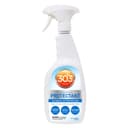
303 Products Aerospace Protectant

303 Products Aerospace Protectant

Not a restorer at all - a UV protectant, and the reason we include it is that prevention is the actual answer here. Trim fades because of sun exposure; treating undamaged trim with this is far more effective than restoring it after the fact.

Type
UV protectant (preventative)
Rated surfaces
Vinyl, plastic, rubber
Best Armor All alternative - the only published UV figure
$21.46 · View on Amazon

$25.1815% off

Price as of November 23, 2026. #ad How we’re funded

2
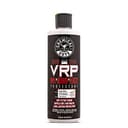
Chemical Guys VRP Vinyl, Rubber & Plastic Dressing

Chemical Guys VRP Vinyl, Rubber & Plastic Dressing

The versatile one: dilutable, and it dresses tires, interior trim and exterior plastic alike. Finish is a satin sheen you can build glossier, and it's water-based so it won't sling as easily.

Finish
Satin (buildable)
Also for
Interior trim, exterior plastic
Best for controlling the shine - dilutable satin
$12.97 · View on Amazon

Price as of November 23, 2026. #ad How we’re funded

3
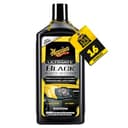
Meguiar's Ultimate Black Plastic Restorer

Meguiar's Ultimate Black Plastic Restorer

The mainstream pick: cheap, in every parts store, and effective on moderately faded trim. It does more dressing than restoring, which means the result looks great immediately and needs redoing sooner.

Type
Trim restorer / dressing
Budget pick - the closest like-for-like swap on exterior trim
$9.44 · View on Amazon

$11.9921% off

Price as of November 23, 2026. #ad How we’re funded

4
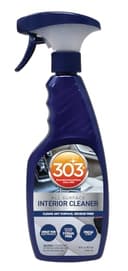
303 Products Interior Cleaner for Dash, Glass & Screens

303 Products Interior Cleaner for Dash, Glass & Screens

The one rated for screens, which in a modern car matters enormously. Infotainment displays have anti-glare coatings that ammonia-based cleaners destroy, and most interior sprays are silent on the subject.

Type
Cleaner (no protectant)
Finish
Matte
Rated surfaces
Dash, glass, screens
Best for modern cabins - the one rated for screens
$11.49 · View on Amazon

Price as of November 23, 2026. #ad How we’re funded

5
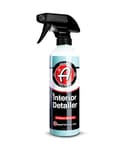
Adam's Polishes Interior Detailer

Adam's Polishes Interior Detailer

The premium all-in-one: cleaner, protectant and dressing in one bottle, rated across the cabin. It costs more than the others here and it is the one that leaves the most satisfying finish on plastics and vinyl.

Type
Cleaner + protectant + dressing
Best finish on dash and door plastics
$12.74 · View on Amazon

Price as of November 23, 2026. #ad How we’re funded

6
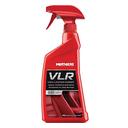
Mothers VLR Vinyl-Leather-Rubber Care

Mothers VLR Vinyl-Leather-Rubber Care

The budget pick, and the most specific ingredient disclosure in the set - the listing names neatsfoot oil and lanolin, which is a real answer to 'what is actually in this'. One 24 oz bottle is the largest here, and it is pH balanced and rated for vinyl and rubber as well as leather.

Type
Cleaner + conditioner + protectant (one step)
Rated surfaces
Vinyl, leather, rubber
Best one-bottle swap for a mixed cabin
$6.79 · View on Amazon

$8.0215% off

Price as of November 23, 2026. #ad How we’re funded

Specs as published on each product’s own listing, read between July 18, 2026 and November 10, 2026. Prices are live, as of November 23, 2026. A figure a brand does not publish is left out of this table and shown as “Not published” in that product’s full write-up below.

The coverage & cost-per-use math

The number nobody else on the first page of Google shows you. We take each product’s stated size and coverage, then divide the current price by the uses per unit — so the per-use figure is live arithmetic, not a number we typed. Here’s exactly how we work it out.

ProductSizeCoverage
Chemical Guys VRP Vinyl, Rubber & Plastic Dressing16 fl ozDilutable — dozens of applications across the car

The picks in full

#1Top pick — Best Armor All alternative - the only published UV figure

303 Products Aerospace Protectant

Not a restorer at all - a UV protectant, and the reason we include it is that prevention is the actual answer here. Trim fades because of sun exposure; treating undamaged trim with this is far more effective than restoring it after the fact.

Who it is for:anyone whose real goal is that the dash does not crack and fade in five years, rather than that it looks wet this afternoon. This is the answer to “what should I use instead of Armor All” more often than any other product.

It is the only product in this set that puts a number on the claim. 303 states its protectant blocks up to 98% of UV radiation “if used properly and consistently”, and publishes an average coverage figure — about 40 sq ft per 16 oz bottle — which is enough to work out what treating a whole interior actually costs. Nothing else here publishes either number.

The finish is the other half of the case: matte and non-greasy, so it does not sling onto the inside of the glass and does not read as wet plastic. A 32 oz bottle covers dashboards, door cards, weather seals, wheel arches and exterior trim, which is more of the car than Armor All’s interior bottle is aimed at.

The honest cons, including two from 303’s own page.It does not restore already-faded trim — it is preventative, so apply it to plastic that has not gone grey yet and use a restorer on anything that has. It needs reapplying periodically to keep the UV protection current, and 303 publishes two different intervalson the same page: “reapply every 3-5 weeks” in its usage note and “re-apply product every 30-45 days” in its FAQ. We report both rather than resolving them; the practical reading is monthly rather than seasonal. And 303 itself notes that there is “no unified industry standard rating for UV protection such as in skin sunscreen”, so the 98% figure cannot be compared against a rival’s because no rival publishes one.

Strengths

  • UV protection for vinyl, plastic and rubber - stops the fade happening
  • Matte, non-greasy finish that does not sling
  • 32 oz covers trim, wheel arches, dashboards and weather seals

Trade-offs

  • Does not restore already-faded trim - it is preventative
  • Needs reapplying periodically to keep the UV protection current
What it isUV protectant for vinyl, plastic and rubber, 32 oz
Size32 oz
CoverageNot published
TypeUV protectant (preventative)
Rated surfacesVinyl, plastic, rubber
Rated durabilityNot published

Specs read from the product listing, on August 18, 2026. “Not published” means the brand does not state that figure.

#2Best for controlling the shine - dilutable satin

Chemical Guys VRP Vinyl, Rubber & Plastic Dressing

The versatile one: dilutable, and it dresses tires, interior trim and exterior plastic alike. Finish is a satin sheen you can build glossier, and it's water-based so it won't sling as easily.

Who it is for: somebody who wants somegloss but not Armor All’s amount, and who would rather decide than be told. It is also the pick if you want one bottle for tires and interior alike, which is what a lot of Armor All buyers are actually doing.

The published finish is a satin sheen that you can build glossier with a second coat, and because it is dilutable you can also go the other way and take it down toward matte. That is a genuinely different proposition from a fixed-gloss dressing: the finish becomes a setting rather than a property of the bottle. Being water-based, it slings less than a solvent dressing, which is the specific failure that puts a haze on the inside of a windscreen.

It is rated for tires, dashboards, trim and rubber, and the dilutability makes the cost per use very low — the strongest cost-per-use case on this page.

The honest cons. Less wet-look gloss than a dedicated gel, so if what you liked about Armor All was the shine, this will read as understated. It is shorter-lived on tires than a dedicated long-life gel, so for tire duty specifically see our tire shine roundup. And Chemical Guys publishes no UV figure and no durability rating for it.

Strengths

  • Works on tires, dashboards, trim and rubber
  • Water-based — lower sling and a natural satin look
  • Dilutable, so cost-per-use is very low

Trade-offs

  • Less wet-look gloss than a dedicated gel
  • Shorter-lived on tires than Endurance
What it isWater-based, dilutable dressing for tires + interior
Size16 fl oz
CoverageDilutable — dozens of applications across the car
FormWater-based liquid
FinishSatin (buildable)
Also forInterior trim, exterior plastic

Specs read from the product listing, on July 18, 2026. “Not published” means the brand does not state that figure.

#3Budget pick - the closest like-for-like swap on exterior trim

Meguiar's Ultimate Black Plastic Restorer

The mainstream pick: cheap, in every parts store, and effective on moderately faded trim. It does more dressing than restoring, which means the result looks great immediately and needs redoing sooner.

Who it is for: faded black bumper trim, mirror caps and wheel arches, on a budget, with the result wanted today. It is the cheapest product on this page as of November 23, 2026.

This is the honest like-for-like replacement, because it is the same kind of product as the original: cheap, in every parts store in the country, immediately effective on moderately faded trim, and more dressing than restoration. If you liked what Armor All did and simply want a different bottle of it, this is that bottle — and 16 oz covers a lot of trim.

We rank it third rather than first precisely because it does not solve the complaints that send people looking for an alternative. It solves the price.

The honest cons.It leans dressing rather than restoration, so it needs redoing more often than a dedicated restorer — the same criticism people make of Armor All. It can look glossier than factory on some textures, which is the other one. And Meguiar’s publishes no finish description and no durability rating, so two cells in the comparison above are empty for it.

Strengths

  • Inexpensive and available essentially everywhere
  • Immediate visible improvement with minimal effort
  • 16 oz covers a lot of trim

Trade-offs

  • Leans dressing rather than restoration, so it needs redoing more often
  • Can look glossier than factory on some textures
What it isBlack plastic trim restorer, 16 oz
Size16 oz
CoverageNot published
TypeTrim restorer / dressing
FinishNot published
Rated durabilityNot published

Specs read from the product listing, on August 18, 2026. “Not published” means the brand does not state that figure.

#4Best for modern cabins - the one rated for screens

303 Products Interior Cleaner for Dash, Glass & Screens

The one rated for screens, which in a modern car matters enormously. Infotainment displays have anti-glare coatings that ammonia-based cleaners destroy, and most interior sprays are silent on the subject.

Who it is for:any car with a large infotainment display, and anyone whose “Armor All problem” is really that they want the dash clean and matte rather than dressed at all.

This is the pick that addresses a risk the dressing category ignores. Infotainment and instrument screens carry anti-glare coatings that ammonia-based cleaners damage permanently, and most interior sprays are simply silent on the subject. 303 rates this one explicitly for dash, glass and screens, which in a 2026 cabin is worth more than any shine claim. It leaves a matte, non-reflective finish with no greasy residue to attract dust straight back onto the dash.

If your actual complaint about Armor All is “my dashboard looks shiny and dusty”, the answer may be a cleaner rather than a better protectant. This is that answer.

The honest cons.It is a pure cleaner: no UV protection is left behind, so it does not replace the 303 Aerospace Protectant above — it pairs with it. 16 oz goes quickly if it is your only interior product. And because it leaves nothing on the surface, it will not hide fading the way a dressing does.

Strengths

  • Explicitly rated for dash, glass and screens - unusual and useful
  • Leaves a matte, non-reflective finish rather than a gloss
  • No greasy residue to attract dust back onto the dash

Trade-offs

  • Pure cleaner - no UV protection left behind
  • 16 oz goes quickly if it is your only interior product
What it isScreen-safe interior cleaner, matte finish, 16 oz
Size16 oz
CoverageNot published
TypeCleaner (no protectant)
Rated surfacesDash, glass, screens
FinishMatte

Specs read from the product listing, on August 18, 2026. “Not published” means the brand does not state that figure.

#5Best finish on dash and door plastics

Adam's Polishes Interior Detailer

The premium all-in-one: cleaner, protectant and dressing in one bottle, rated across the cabin. It costs more than the others here and it is the one that leaves the most satisfying finish on plastics and vinyl.

Who it is for: somebody who wants the best-looking interior plastic on this page and does not mind paying for it, in one bottle rather than two.

It is a cleaner, protectant and dressing in one, rated across the cabin, and the finish on textured plastic is the most consistent and even of anything here — which is the specific thing a dressing usually gets wrong, patching unevenly on grain. For someone replacing Armor All with the intent of doing a better job of the same task rather than switching philosophies, this is the premium version of that.

The honest cons.It is the most expensive interior spray in this group. The dressing content means care on steering wheels and pedals, where any slickness is a genuine safety issue rather than a cosmetic one — keep it off both. And Adam’s publishes no finish description and no UV figure, so you are buying a result rather than a specification.

Strengths

  • Cleans, protects and dresses in a single product
  • Rated as an all-purpose interior product across surfaces
  • Leaves a consistent, even finish on textured plastic

Trade-offs

  • Most expensive interior spray in this group
  • Dressing content means care on steering wheels and pedals
What it isCleaner, protectant and dressing in one, 16 fl oz
Size16 fl oz
CoverageNot published
TypeCleaner + protectant + dressing
FinishNot published
DilutionReady to use

Specs read from the product listing, on October 26, 2026. “Not published” means the brand does not state that figure.

#6Best one-bottle swap for a mixed cabin

Mothers VLR Vinyl-Leather-Rubber Care

The budget pick, and the most specific ingredient disclosure in the set - the listing names neatsfoot oil and lanolin, which is a real answer to 'what is actually in this'. One 24 oz bottle is the largest here, and it is pH balanced and rated for vinyl and rubber as well as leather.

Who it is for:a cabin with leather, vinyl and rubber in it — which is most cars — and an owner who wants one bottle for all of it, cheaply.

It is rated for vinyl, leather and rubber in one product, which is the broadest rated surface list on this page, and it is the only product here that states pH balanced. It also names its conditioning agents — neatsfoot oil and lanolin — instead of saying “nourishing oils”, which is a more specific disclosure than anything else in this set manages. At 24 oz it is the largest bottle here.

For the Armor All buyer whose bottle was doing seats, dash and door cards indiscriminately, this is the direct one-bottle replacement with a better-specified label.

The honest cons.It is a one-step clean-and-condition, so it is light on heavily soiled surfaces — clean first if the door cards are visibly grimy. No UV or SPF figure is published, so on the one axis that decides whether plastic survives a decade it is no better specified than the original. And a one-step product cannot be layered the way a dedicated protectant can.

Strengths

  • Cheapest per ounce in this set and the largest bottle (24 oz)
  • Names its conditioning agents - neatsfoot oil and lanolin - rather than saying 'nourishing oils'
  • Stated pH balanced, and rated for vinyl and rubber as well as leather

Trade-offs

  • One-step clean-and-condition, so it is light on heavily soiled leather
  • No UV or SPF figure published
  • A one-step product cannot be layered the way a dedicated conditioner can
What it isOne-step clean/condition/protect, pH balanced, 24 oz
Size24 oz
CoverageNot published
TypeCleaner + conditioner + protectant (one step)
Stated UV protectionNot published
Rated surfacesVinyl, leather, rubber
Darkens leatherNot published

Specs read from the product listing, on November 10, 2026. “Not published” means the brand does not state that figure.

What Armor All is genuinely good at

It deserves saying, because an alternatives page that pretends the original is bad is not worth reading. Armor All’s protectant does exactly what a dressing is supposed to do: it makes faded, chalky plastic look dark and uniform within seconds, with no technique required, for very little money, from a bottle available in every supermarket and gas station in the country. For a ten-year-old car being prepared for sale, there is nothing on this page that delivers a bigger visible change per dollar per minute.

It also never claimed to be anything else. The criticisms people level at it — the gloss, the dust, the reapplication — are the defining characteristics of surface dressings generally. What has changed is the cars: interiors have moved from gloss-tolerant hard plastic to matte soft-touch surfaces and large screens, and a product optimized for 1990s dashboards sits oddly in a 2026 cabin. That is the honest reason to switch.

Dressing, protectant, restorer or cleaner - four different products

Most of the confusion in this category is one word doing four jobs. Decide which you actually need before you pick a brand:

  • A dressingsits on the surface and changes how it looks. Instant, glossy, temporary. Armor All’s original protectant and Meguiar’s Ultimate Black are dressings.
  • A protectant aims at UV and the chemistry of fading rather than at appearance. 303 Aerospace Protectant is the only one here with a published figure behind that aim.
  • A restorer is for plastic that has alreadygone grey, and works by different means — see our trim restorer roundup, where the longest-lasting options are a dye and a ceramic coating rather than a spray.
  • A cleaner removes the soil and leaves nothing behind. If your dash looks bad because it is dirty rather than faded, this is the right product and the rest are cosmetics over dirt. 303 Interior Cleaner is the screen-safe one.

The commonest mistake is reaching for a dressing when the surface needed a cleaner, or a protectant when the plastic was already too far gone to protect.

The UV figure, and why nobody can beat it

One product in this set publishes a UV number: 303 states up to 98% of UV radiation blocked, qualified with “if used properly and consistently”. Every other maker here — Chemical Guys, Meguiar’s, Adam’s, Mothers — publishes nothing numeric on UV at all.

And then 303 does something unusually honest on the same page: it states that there is “no unified industry standard rating for UV protection such as in skin sunscreen (SPF or Sun Protection Factor)”. Read those two facts together and the conclusion is sharper than either alone. The only product with a number also tells you the number is not comparable to anything, because there is nothing to compare it to. That is the state of this category, and we would rather report it than pretend a ranking of UV performance exists.

One more inconsistency, reported rather than resolved: 303’s own page gives two reapplication intervals without reconciling them — every 3-5 weeks in the usage note, every 30-45 days in the FAQ. Both point to monthly rather than seasonal, which is more often than most owners assume.

Where you should not use any of these

  • Steering wheels and pedals. Any dressing makes them slick. This is a safety issue, not a finish preference. Clean them with a cleaner and leave them bare.
  • Infotainment and instrument screens, unless the product names screens. Anti-glare coatings haze permanently, and only one product on this page is rated for them. Our glass guide covers the ammonia problem in full.
  • Leather seats, with a plastic dressing. Use a leather conditioner— or, if you are replacing a Lexol-style routine, this page.
  • Cloth or Alcantara. A fabric protector is the product; a dressing will stain.
  • Interior glass, with any dressing.Residue plus a warm windscreen is the haze you cannot wipe off from the driver’s seat.

The swap most people should actually make

If you want one recommendation rather than six: replace a single bottle of glossy dressing with twoproducts — a screen-safe cleaner for the regular wipe-down, and a matte UV protectant applied monthly on the surfaces that get sun. That is 303 Interior Cleaner plus 303 Aerospace Protectant, and between them they cover the complaint (shiny, dusty) and the mechanism (UV) separately instead of asking one bottle to do both badly.

If you want one bottle rather than two, Chemical Guys VRP is the most flexible single purchase here because you can dilute the finish to taste and it covers tires as well. And if you genuinely liked the original and just want it cheaper, Meguiar’s Ultimate Black is the like-for-like.

About the prices on this page

Every figure is read live from the price layer and stamped with its own date; nothing is typed into this page. The claim that Meguiar’s Ultimate Black is the cheapest product here is true as of November 23, 2026and is re-checked on every refresh rather than written in. If the daily refresh ever stops, the numbers disappear and the buttons fall back to “Check price on Amazon” rather than showing you something stale.

Frequently asked questions

What is the best alternative to Armor All?

303 Aerospace Protectant, because it is the only product in this set that publishes a UV figure - 303 states it blocks up to 98% of UV radiation if used properly and consistently, with an average coverage of about 40 sq ft per 16 oz. It is also matte and non-greasy rather than glossy, which is what most people searching for an Armor All substitute actually want. If you want to control the amount of shine, Chemical Guys VRP is dilutable with a buildable satin finish; the cheapest like-for-like swap on exterior trim is Meguiar's Ultimate Black.

What can you use instead of Armor All on a dashboard?

It depends which complaint you are solving. If the dash looks shiny and collects dust, the answer is usually a cleaner rather than another dressing - 303 Interior Cleaner leaves a matte finish with no residue and is one of the few products rated for infotainment screens. If the goal is stopping the plastic from fading and cracking, use a matte UV protectant like 303 Aerospace Protectant monthly. The two together cover the appearance and the mechanism separately, which one bottle of dressing cannot.

Why does Armor All make plastic so shiny?

Because that is what a dressing is for. Armor All's original protectant sits on the surface and changes how it reflects light, which makes faded, chalky plastic look dark and uniform within seconds with no technique required. That was ideal for 1990s hard-plastic dashboards. It reads badly on modern matte soft-touch interiors, which is the honest reason people switch rather than any failure of the product - and it is why the alternatives on this page are ranked by stated finish rather than by brand.

Does Armor All damage plastic or vinyl?

We have run no test and we will not claim one. What we can say factually is what the makers publish, and on the measurement that matters - UV protection - exactly one product in our registry publishes a number at all: 303, at up to 98% blocked. Every other product in this comparison, Armor All included, describes protection in adjectives. Notably, 303 also states on the same page that there is no unified industry standard for rating UV protection, so even that figure cannot be compared against a rival.

Is there a cheap Armor All alternative?

Meguiar's Ultimate Black is the cheapest product on this page and the closest like-for-like swap for exterior black trim: inexpensive, available essentially everywhere, and visibly effective on moderately faded plastic with minimal effort. The honest caveat is that it is the same kind of product as the original - more dressing than restoration - so it needs redoing more often and can look glossier than factory on some textures. It solves the price, not the complaints that send people looking for an alternative.

What should you not use a plastic protectant on?

Steering wheels and pedals, because any dressing makes them slick and that is a safety problem rather than a finish preference. Infotainment and instrument screens, unless the product specifically names screens - anti-glare coatings haze permanently and most interior sprays are silent on the subject. Leather seats, which want a leather conditioner. Cloth and Alcantara, which want a fabric protector and will stain. And interior glass, where dressing residue plus a warm windscreen produces a haze you cannot wipe off from the driver's seat.

How often should you apply an interior protectant?

More often than most people assume, and the one maker that publishes an interval publishes two. 303's own page says 'reapply every 3-5 weeks' in its usage note and 're-apply product every 30-45 days' in its FAQ, without reconciling them. We report both rather than picking one; the practical reading is monthly rather than seasonal. Nobody else in this comparison publishes a reapplication interval or a durability rating at all, so for those products the honest answer is 'when it stops looking right'.

Will a protectant fix trim that has already gone grey?

No, and this is the most common disappointment in the category. 303 Aerospace Protectant is explicitly preventative - it stops fade happening rather than reversing it - so applying it to already-chalky plastic will darken the surface temporarily and then look faded again. Already-grey trim needs a restorer, and the longest-lasting options there are a dye or a ceramic trim coating rather than a spray. Our trim restorer roundup covers which is which.

Sources

  • Gold Eagle Co. (303 Products) — 303 Aerospace Protectant, re-read 2026-11-17 — Maker page on a FRESH full read. UV: "303 Protectant will block up to 98% of UV radiation if used properly and consistently" — and, in the same FAQ, "There is no unified industry standard rating for UV protection such as in skin sunscreen (SPF or Sun Protection Factor)", which is the maker itself telling buyers the SPF-style numbers printed elsewhere in this category are not comparable measurements. Coverage: "On average a 16oz. bottle treats 40sq. feet" — the only coverage figure published by any protectant in our registry. Finish: "dries to a clear matte finish" and "Matte finish with no oily and greasy residue". Reapplication: the SAME page gives TWO different intervals without reconciling them — "Reapply every 3-5 weeks for continued protection" in the usage note, and "re-apply product every 30-45 days for best results" in the FAQ. Rated surfaces: "Safe and effective for vinyl, gel-coat, fiberglass, carbon fiber, synthetic/natural rubber, plastic and finished leather", with an "Ideal For Use On" list naming vinyl boat seats and interiors, tires and trim, automotive dashboards and convertible tops, spa covers, patio furniture, helmets/goggles/visors, Hypalon inflatables and wet/dry suits, and RV EPDM rubber roofs; the FAQ adds PVC and neoprene. NOT recommended for: "clear plastics, unfinished leather (e.g., suede), canvas, flooring, gauge panels, or headlights", and fabrics, because the formula is water-based. Chemistry: "contains no petroleum distillates, alcohol, mineral oil or harmful silicone oils" and "Water-based, silicone-free formula - no greasy film"; a Q&A qualifies this as "does NOT contain any harmful solvent soluble silicone oils, alcohols, or solvent soluble PolyDiMethylSiloxane Fluid (PDMS)", so the unqualified "silicone-free" line and the qualified "harmful silicone oils" line sit on the same page. Directions: "Use only on clean, dry surfaces", apply "Out of direct sunlight", "Wipe thoroughly and completely dry-this step is crucial for performance", "If streaking occurs, too much product was used", and "This product does not air dry". Sizes run 2 oz to 5 gal; the wipes format (SKU 30321) is listed as discontinued. Publishes NO durability figure in months, NO SPF number and NO test method behind the 98% claim (accessed November 17, 2026)
  • Gold Eagle Co. — Why UV Protection Matters: How to Keep Dashboards, Leather, and Plastics Looking New — UV weakens the polymers that keep plastics flexible, leaving them chalky, brittle, warped or cracked over time, and the damage builds day by day; silicone-based products can look shinier but feel greasy and attract dust; the goal is protection, not a shiny or slick surface, and greasy residue can create glare on dashboards (accessed September 18, 2026)
  • Meguiar's — Ultimate Black Plastic Restorer (G15812, 12 oz) — Maker page: 'breakthrough UV clear coat technology' claimed to outlast conventional protectants, with 'darkness and shine that lasts even after 100 washes'; the formula is stated to be 'lab tested to 103 consecutive hand washes using a pH balanced car shampoo'; rated for unpainted exterior plastic, vinyl and rubber including bumpers, moldings, mirror housings and windshield cowls; directions are to spray into a towel or onto the surface and spread with a brush or microfiber towel, then remove excess residue with a fresh microfiber towel; described as fast-drying, non-greasy and non-streaking when wet (accessed October 5, 2026)
  • Chemical Guys — Touch Screen Cleaning 101: Do's and Don'ts for Car Displays — Use a clean, soft microfiber and an ammonia-free cleaner; avoid ammonia, bleach, solvents and household glass cleaners, which strip anti-fingerprint and anti-glare coatings; alcohol only if the vehicle or screen maker approves it; distilled water for light cleaning; mist the towel, never the screen; turn the display off; light pressure (accessed September 18, 2026)

Keep reading