Clay & Coat

Best Engine Degreaser

Three cleaners, two brushes and a dressing - ranked on the one spec that decides whether a degreaser is safe in an engine bay: whether the maker publishes a dilution ratio.

By Stephen V.Last updated How we pick

The verdict

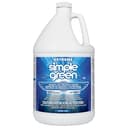
Simple Green Extreme Aircraft & Precision Cleaner is the engine degreaser to buy, and the reason is aluminum. An engine bay is full of bare alloy — intake manifolds, brackets, covers, fittings — and the ordinary household version of this product has a long-standing reputation for being aggressive on it. The Extreme aircraft formulation exists precisely because aviation cannot tolerate that, which makes it the one cleaner here you can spray around unpainted metal without flinching.

If the grease is genuinely baked on, buy Meguiar’s D20108 Super Degreaser instead — and it is also the budget pick, the cheapest product on this page as of November 23, 2026. It is a professional-line degreaser that arrives with a sprayer, and it is stronger than an all-purpose cleaner by design. Treat that strength as the thing to manage rather than the thing to enjoy.

One honest finding before you shop: of the three cleaners here, only Griot’s publishes a dilution ratio— 4:1 for heavy degreasing, 10:1 for interior surfaces, 20:1 for light work. The other two tell you to dilute and leave the number to you. In a bay full of plastic connectors and anodized brackets, that blank is the most expensive gap in the category.

An engine bay is the one part of a car where cleaning can actually break something, and the risk is not the grease. It is the mix of materials: painted sheet metal, bare and anodized aluminum, rubber hoses, plastic electrical connectors, printed labels, exposed sensors and a loom of wiring, all within a few inches of each other. A degreaser strong enough to lift baked oil off a block is strong enough to haze alloy and dry out rubber if you use it at full strength and walk away.

Which means the useful question is not “what is the strongest degreaser”. It is “what does the maker tell me about where this is safe, and at what concentration”. On that question the category performs poorly, and the ranking below follows directly from it.

So this page ranks on three things, in this order.

  • Whether a published rating covers the metal in your bay. One product here is formulated for use around aircraft aluminum. That is a documented material rating, not a marketing adjective, and in an engine bay it is the single most valuable thing on a label.
  • Whether the dilution ratio is printed. One of three publishes real numbers. Dilution is the actual safety control on every one of these products, and a product that will not state it is asking you to guess at the only setting that matters.
  • Whether the rated-surface list is specific.“All purpose” is not a surface list. Griot’s names exterior surfaces, carpet, upholstery, vinyl and plastic; Meguiar’s names engine bays, wheel wells and greasy door shuts.

This page also carries the two brushes and the dressing the job needs, because an engine bay is not a spray-and-rinse task — agitation is most of the work, and bare plastic that dries out after degreasing is the most common way a clean bay ends up looking worse than a dirty one. If you want the cleaners ranked for general use instead, that is our all-purpose cleaner roundup, and the step-by-step method is in our engine bay guide.

How this is funded: we earn a commission if you buy through our links, at no extra cost to you. It never changes which product we recommend, and we’ll tell you when we’d skip one. Full disclosure.

Quick picks

Ranked on published specs, coverage and buyer fit. Select a row to jump to the full write-up. We haven’t tested these in a lab — here is exactly what we do instead.

#ProductKey specsBest forPrice
1
Simple Green Extreme Aircraft & Precision Cleaner

Simple Green Extreme Aircraft & Precision Cleaner

The one to use where aluminum is involved. Standard Simple Green is well known for being aggressive on bare alloy; the Extreme aircraft formulation exists specifically because aviation cannot tolerate that, which makes it the safer choice around wheels and engine components.

Type
Aircraft/precision cleaner
Rated surfaces
Aircraft and precision surfaces
Best engine degreaser overall - the aluminum-safe choice
$22.29 · View on Amazon

$26.2515% off

Price as of November 23, 2026. #ad How we’re funded

2
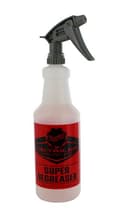
Meguiar's D20108 Super Degreaser

Meguiar's D20108 Super Degreaser

The heavy end. This is a professional-line degreaser, not a gentle interior cleaner - reach for it on engine bays, wheel wells and greasy door shuts, and dilute it well before it goes anywhere near an interior.

Type
Heavy-duty degreaser
Best for baked-on grease - and the budget pick
$11.49 · View on Amazon

Price as of November 23, 2026. #ad How we’re funded

3
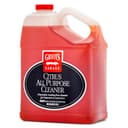
Griot's Garage Citrus All Purpose Cleaner

Griot's Garage Citrus All Purpose Cleaner

The most explicitly dual-purpose cleaner here: Griot's rates it for exterior surfaces and for carpet, upholstery, vinyl and plastic inside - and, almost alone in this category, it publishes the dilution ratio for each of those jobs instead of leaving you to guess. It now comes only as a concentrated gallon, which is the right format for a product you dilute anyway.

Type
Citrus D-limonene APC concentrate, non-foaming
Dilution ratio
4:1 heavy-duty, 10:1 interior, 20:1 light-duty
Rated surfaces
Exterior, carpet, upholstery, vinyl, plastic
Best for a controlled dilution - the only published ratios here
$30.33 · View on Amazon

Price as of November 23, 2026. #ad How we’re funded

4
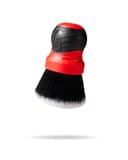
Adam's Polishes Large Multi-Purpose Detailing Brush (Nylon Soft Bristles)

Adam's Polishes Large Multi-Purpose Detailing Brush (Nylon Soft Bristles)

The large soft brush for the surfaces people are most afraid to touch. The listing names nylon soft bristles and rates it for screens, seats, leather and vinyl - so it is the one here you can use dry as a duster on a nav screen and wet as a scrubber on a seat.

Rated surfaces
Screens, seats, leather, vinyl (listing)
Bristles
Nylon, soft
Pieces
1
Best brush for the open areas
$21.66 · View on Amazon

$25.4915% off

Price as of November 23, 2026. #ad How we’re funded

5
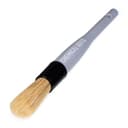
Chemical Guys Boar's Hair Detailing Brush for Wheels, Grilles & Interior

Chemical Guys Boar's Hair Detailing Brush for Wheels, Grilles & Interior

The cheapest brush here and the one with the longest published safe-surface list. Natural boar's hair is the soft option, and Chemical Guys rates this brush for leather, faux leather, vinyl, plastic, rubber, stainless steel, metal and aluminum - a list that includes glossy trim.

Rated surfaces
Leather, faux leather, vinyl, plastic, rubber, stainless steel, metal, aluminum
Bristles
Natural boar's hair
Pieces
1
Best brush for tight spots and bare metal
$11.99 · View on Amazon

Price as of November 23, 2026. #ad How we’re funded

6
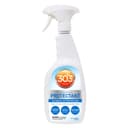
303 Products Aerospace Protectant

303 Products Aerospace Protectant

Not a restorer at all - a UV protectant, and the reason we include it is that prevention is the actual answer here. Trim fades because of sun exposure; treating undamaged trim with this is far more effective than restoring it after the fact.

Type
UV protectant (preventative)
Rated surfaces
Vinyl, plastic, rubber
Best finish for the plastics afterwards
$21.46 · View on Amazon

$25.1815% off

Price as of November 23, 2026. #ad How we’re funded

Specs as published on each product’s own listing, read between August 18, 2026 and October 20, 2026. Prices are live, as of November 23, 2026. A figure a brand does not publish is left out of this table and shown as “Not published” in that product’s full write-up below.

The picks in full

#1Top pick — Best engine degreaser overall - the aluminum-safe choice

Simple Green Extreme Aircraft & Precision Cleaner

The one to use where aluminum is involved. Standard Simple Green is well known for being aggressive on bare alloy; the Extreme aircraft formulation exists specifically because aviation cannot tolerate that, which makes it the safer choice around wheels and engine components.

Who it is for: any engine bay with visible bare alloy, which is almost all of them. If you have ever looked at a cast aluminum intake and wondered whether the cleaner in your hand will stain it, this is the answer to that worry.

The distinction here is real and worth understanding. Standard Simple Green is widely known for being harsh on bare aluminum; the Extreme line is an aircraft and precision formulation created for an industry that cannot accept that behaviour, and the listing rates it for aircraft and precision surfaces. An engine bay is essentially a small aircraft panel — mixed alloys, fasteners, anodizing, painted brackets — so the rating transfers more directly than any car-care marketing claim does.

It also wins on cost. A gallon is by far the lowest cost per ounce on this page, and since you will be diluting it anyway, the concentrate format is the right one. Decant into a trigger sprayer, label it, and you have several years of engine bays.

The honest cons.Simple Green publishes no dilution ratio for it on the listing, which on a concentrate is the figure you most want — start weak and work up, and test a hidden bracket first. It is not a car-care product by design, so there is no detailing-specific guidance anywhere on the label about hoses, connectors or sensors. And a gallon jug is unwieldy: you have to decant it before you can use it, which is an extra bottle and an extra label to get right.

Strengths

  • Aircraft-grade formulation intended for use around aluminum
  • 1 gallon - by far the lowest cost per ounce here
  • Dilutes across a wide range of strengths

Trade-offs

  • A gallon jug is unwieldy and needs decanting
  • Not a car-care product by design, so no detailing-specific guidance
What it isAircraft-grade precision cleaner, 1 gallon
Size1 gal
CoverageNot published
TypeAircraft/precision cleaner
Rated surfacesAircraft and precision surfaces
Dilution ratioNot published

Specs read from the product listing, on August 18, 2026. “Not published” means the brand does not state that figure.

#2Best for baked-on grease - and the budget pick

Meguiar's D20108 Super Degreaser

The heavy end. This is a professional-line degreaser, not a gentle interior cleaner - reach for it on engine bays, wheel wells and greasy door shuts, and dilute it well before it goes anywhere near an interior.

Who it is for: an older bay with years of weeping oil on it, a transmission tunnel, greasy door shuts, or wheel wells caked in road film. This is the heavy end, and it is the cheapest product on this page.

It is a professional-line degreaser rather than a gentle all-purpose cleaner, and Meguiar’s says so: the intended jobs named for it are engine bays, wheel wells and greasy door shuts. It arrives as a 32 oz bottle with a sprayer, so unlike the gallon concentrates it is usable the minute it lands, and it dilutes down for lighter work.

The honest cons, and take them seriously.No dilution ratio is published and no pH figure is published, so the two numbers that would tell you how hard to pull the trigger are both missing. It is too aggressive for interior surfaces at anything near full strength — keep it out of the cabin entirely. And it wants gloves plus real care around trim and unsealed metal, which is the trade for the cutting power.

Strengths

  • Professional-line strength that actually cuts baked grease
  • 32 oz bottle supplied with a sprayer
  • Dilutes down for lighter work

Trade-offs

  • Too aggressive for interior surfaces at anything near full strength
  • Needs gloves and care around trim and unsealed metal
What it isProfessional-line degreaser, 32 oz with sprayer
Size32 oz
CoverageNot published
TypeHeavy-duty degreaser
Dilution ratioNot published
pHNot published

Specs read from the product listing, on August 18, 2026. “Not published” means the brand does not state that figure.

#3Best for a controlled dilution - the only published ratios here

Griot's Garage Citrus All Purpose Cleaner

The most explicitly dual-purpose cleaner here: Griot's rates it for exterior surfaces and for carpet, upholstery, vinyl and plastic inside - and, almost alone in this category, it publishes the dilution ratio for each of those jobs instead of leaving you to guess. It now comes only as a concentrated gallon, which is the right format for a product you dilute anyway.

Who it is for: somebody who wants one bottle for the engine bay, the wheel wells and the interior, and who would rather be told the ratio than guess it.

This is the only cleaner on the page that publishes real numbers: 4:1 for heavy degreasing, 10:1 for interior surfaces, 20:1 for light work. In an engine bay that turns the safety control from a feeling into a setting — mix 4:1 for the sump area and 20:1 for the painted slam panel and the plastic covers, from the same jug. It is a citrus D-limonene concentrate, rated by Griot’s for exterior surfaces and for carpet, upholstery, vinyl and plastic inside.

The honest cons.It is still an APC: the listing claims engine-bay capability, but a dedicated degreaser cuts baked-on grease faster, which is why the Meguiar’s sits above it for that job. It comes only as a gallon jug with no ready-to-use spray bottle, so decanting and labelling is mandatory. And it is non-foaming by design, so there is no foam showing you where you have already covered — in a dark bay, that is a genuine nuisance.

Strengths

  • Rated for both exterior surfaces and interior carpet, upholstery and vinyl
  • Publishes real ratios - 4:1 for heavy degreasing, 10:1 for interior surfaces, 20:1 for light work
  • A citrus D-limonene concentrate in a gallon, which is exactly what the buy-the-concentrate argument points at

Trade-offs

  • Still an APC - the listing claims engine-bay capability, but a dedicated degreaser cuts baked-on grease faster
  • Gallon jug only: there is no ready-to-use spray bottle, so you have to decant and label
  • Non-foaming by design, so there is no foam showing you where you have already covered
What it isCitrus APC concentrate rated for interior and exterior, one gallon
Size1 gal (128 fl oz)
CoverageNot published
TypeCitrus D-limonene APC concentrate, non-foaming
Rated surfacesExterior, carpet, upholstery, vinyl, plastic
Dilution ratio4:1 heavy-duty, 10:1 interior, 20:1 light-duty

Specs read from the product listing, on October 20, 2026. “Not published” means the brand does not state that figure.

#4Best brush for the open areas

Adam's Polishes Large Multi-Purpose Detailing Brush (Nylon Soft Bristles)

The large soft brush for the surfaces people are most afraid to touch. The listing names nylon soft bristles and rates it for screens, seats, leather and vinyl - so it is the one here you can use dry as a duster on a nav screen and wet as a scrubber on a seat.

Who it is for:the big accessible surfaces — the underside of the hood, the slam panel, the plastic engine cover, inner wings. Degreaser lifts grease; a brush is what moves it.

The listing publishes the bristle material, which is more than most detailing brushes manage: soft nylon, which is chemical-resistant and therefore the right material to be dipping in a 4:1 degreaser. It is rated for screens, seats, leather and vinyl, so it is soft enough for a painted hood underside, and the large head covers ground fast.

The honest cons.Too big for the places engine grease actually hides — around fasteners, between a loom and a bracket, in the recess behind a pulley — which is why there is a second brush below. Nylon is firmer than boar’s hair, so it wants a light hand on gloss trim. And no bristle length, handle length or stiffness grade is published.

Strengths

  • Bristle material published: soft nylon, which is chemical-resistant
  • Listing rates it for screens, seats, leather and vinyl specifically
  • Large head makes short work of seats and door cards

Trade-offs

  • Too big for vents, switchgear and badge recesses
  • Nylon is firmer than boar's hair, so it wants a light hand on gloss trim
  • No bristle length, handle length or stiffness grade published
What it isLarge soft-nylon brush for screens, seats, leather and vinyl
SizeLarge
CoverageNot published
BristlesNylon, soft
Pieces1
Rated surfacesScreens, seats, leather, vinyl (listing)
SizeLarge
Bristle lengthNot published

Specs read from the product listing, on October 12, 2026. “Not published” means the brand does not state that figure.

#5Best brush for tight spots and bare metal

Chemical Guys Boar's Hair Detailing Brush for Wheels, Grilles & Interior

The cheapest brush here and the one with the longest published safe-surface list. Natural boar's hair is the soft option, and Chemical Guys rates this brush for leather, faux leather, vinyl, plastic, rubber, stainless steel, metal and aluminum - a list that includes glossy trim.

Who it is for:the detail work in a bay — around connectors, into brackets, across a polished cam cover or an alloy fitting you do not want to scuff.

Natural boar’s hair is the softest bristle material we cover, and this brush carries the longest published safe-surface list of any brush in our registry: Chemical Guys rates it for leather, faux leather, vinyl, plastic, rubber, stainless steel, metal and aluminum. That last word is the one that matters here — it is the brush you use on bare alloy, which is the material a stiff nylon brush will mark. It is also the cheapest brush on this site, and it comes in soft or normal grades so you can match it to the surface.

The honest cons. One brush, one size, with no small-crevice option in the box. Natural bristle is less chemical-resistant than nylon, so rinse it properly after a strong degreaser rather than letting it dry stiff. And no bristle or handle length is published.

Strengths

  • Natural boar's hair - the softest bristle material on this page
  • Maker publishes eight rated surface types, including leather and metal
  • Offered in soft or normal bristle grades, so you can match it to the surface

Trade-offs

  • One brush, one size - no small-crevice option in the box
  • Natural bristle is less chemical-resistant than nylon for strong cleaners
  • No bristle length or handle length published
What it isSingle natural boar's-hair brush, soft or normal grade
SizeNot published
CoverageNot published
BristlesNatural boar's hair
Pieces1
Rated surfacesLeather, faux leather, vinyl, plastic, rubber, stainless steel, metal, aluminum
Bristle gradesSoft or normal
Bristle lengthNot published

Specs read from the product listing, on October 12, 2026. “Not published” means the brand does not state that figure.

#6Best finish for the plastics afterwards

303 Products Aerospace Protectant

Not a restorer at all - a UV protectant, and the reason we include it is that prevention is the actual answer here. Trim fades because of sun exposure; treating undamaged trim with this is far more effective than restoring it after the fact.

Who it is for: everyone who degreases a bay. This is the step most people skip and then regret, because a degreased plastic engine cover looks chalky and dry rather than clean.

303 Aerospace Protectant is a UV protectant for vinyl, plastic and rubber rather than a dressing that sits wet on the surface. That is exactly what a bay wants: a matte, non-greasy finish that does not sling onto the paint when the engine warms up and the fan turns. A 32 oz bottle covers engine covers, hoses, weather seals, wheel arches and the dashboard, so it earns its place in a cupboard several times over, and the aerospace heritage puts it in the same material-rating conversation as the cleaner at the top of this page.

The honest cons.It does not restore plastic that has already gone grey and chalky — it is preventative, so apply it to a bay you have just cleaned rather than expecting it to rescue one you have not. It needs reapplying periodically to keep the UV protection current. And 303 publishes no durability figure in months for it at all.

Strengths

  • UV protection for vinyl, plastic and rubber - stops the fade happening
  • Matte, non-greasy finish that does not sling
  • 32 oz covers trim, wheel arches, dashboards and weather seals

Trade-offs

  • Does not restore already-faded trim - it is preventative
  • Needs reapplying periodically to keep the UV protection current
What it isUV protectant for vinyl, plastic and rubber, 32 oz
Size32 oz
CoverageNot published
TypeUV protectant (preventative)
Rated surfacesVinyl, plastic, rubber
Rated durabilityNot published

Specs read from the product listing, on August 18, 2026. “Not published” means the brand does not state that figure.

Dilution is the safety control, and most makers will not print it

Every cleaner on this page is strong enough to damage something in an engine bay at full strength, and every one of them is perfectly safe at the right dilution. The concentration is the product. So the fact that only one of the three publishes real ratios is the central finding of this page, and it is worth stating what each one does and does not tell you:

  • Griot’s Citrus APC publishes three ratios— 4:1 heavy degreasing, 10:1 interior, 20:1 light duty — which is enough to work from directly.
  • Meguiar’s Super Degreaser publishes no ratio and no pH. It says it dilutes for lighter work and leaves the number to you.
  • Simple Green Extreme publishes no ratio on the listing either, which on a one-gallon concentrate is the figure you want most.

The practical workaround is the same one professional detailers use: start far weaker than you think you need, test on a hidden bracket, and step the strength up only if the first pass left grease behind. You cannot un-haze a piece of anodized aluminum, and you cannot un-dry a cracked hose.

What to cover before you spray anything

A clean bay is mostly preparation. None of this needs a product:

  • Work on a cool engine. Not warm, cool. A hot block flashes the cleaner off before it can work and can warp a plastic cover.
  • Bag the air intake and the alternator, and cover any exposed electrical module or fuse box with a plastic bag. Water does not belong in any of them.
  • Work top down and rinse with low pressure. A gentle hose flow or a garden sprayer is correct; a pressure washer aimed into a bay drives water past seals and into connectors, which is how a clean engine becomes a check engine light. If you use one, use the widest nozzle from a distance and never aim at a connector.
  • Dry it before you dress it. A blower is the honest tool here because a towel cannot reach into a bay, and trapped water under a cover leaves white mineral marks exactly where you just cleaned.

Why an APC and a degreaser are not the same thing

They overlap, and in this category the labels are not a reliable guide. The honest distinction is strength and intent: a degreaser is formulated to break down petroleum oils and is sold at a concentration that expects to be diluted hard, while an all-purpose cleaner is formulated to lift general soil across a wider range of surfaces and is often usable closer to ready-to-use strength.

For a bay you want both behaviours, which is why this page has three cleaners rather than one. The Meguiar’s does the oil. The Griot’s, at 20:1, does the painted and plastic parts without stripping them. The Simple Green Extreme is the one that answers the aluminum question, and it is the bottle we would reach for first on a bay we had never cleaned before. Our all-purpose cleaner roundup compares the same cleaners for the rest of the car, where the material risks are much lower.

What not to put in an engine bay

  • Not a tire dressing. A glossy silicone dressing slings off hot plastic onto the paint and attracts dust. The 303 above is matte and non-greasy for this exact reason. If you want gloss, that belongs on tires, not on an engine cover.
  • Not an iron remover or an acidic wheel cleaner. Those are formulated for brake dust on wheel faces and have no business near fasteners and bare metal. See iron remover versus wheel cleaner for what each is actually for.
  • Not a wire brush, ever. If agitation is not shifting it, the answer is a longer dwell with a stronger dilution, not a harder bristle.

About the prices on this page

Every figure is read live from the price layer and stamped with its own date; nothing is typed into this page. The claim that the Meguiar’s is the cheapest product here is true as of November 23, 2026and is re-checked on every refresh rather than written in. If the daily refresh ever stops, the numbers disappear and the buttons fall back to “Check price on Amazon” rather than showing you something stale.

Frequently asked questions

What is the best engine degreaser?

Simple Green Extreme Aircraft & Precision Cleaner, because of the one material an engine bay is full of: bare aluminum. Standard Simple Green has a long-standing reputation for being aggressive on bare alloy, and the Extreme line is an aircraft and precision formulation made for an industry that cannot accept that. For genuinely baked-on grease, Meguiar's D20108 Super Degreaser is the stronger, professional-line choice and is also the cheapest product on this page. If you want a published dilution ratio to work from, only Griot's Citrus APC provides one - 4:1 heavy, 10:1 interior, 20:1 light.

Is engine degreaser safe on aluminum?

It depends entirely on the product and the dilution. Many degreasers will stain or haze bare and anodized aluminum at full strength, which is a permanent cosmetic change. The only product on this page with a published rating that speaks to it is Simple Green Extreme, formulated for aircraft and precision surfaces. With anything else, dilute far weaker than you think you need, test on a hidden bracket first, and never let the cleaner dry on bare metal.

How do you dilute engine degreaser?

Start weak and work up, because you cannot undo damage. Griot's Citrus APC is the only cleaner here with published numbers: 4:1 for heavy degreasing, 10:1 for interior surfaces and 20:1 for light work. Meguiar's Super Degreaser and Simple Green Extreme publish no ratio at all, so with those the method is to mix well below what the grease seems to need, dwell longer, agitate with a brush, and step the concentration up only on the second pass.

Can you pressure wash an engine bay?

You can rinse one, but not the way you rinse paint. High pressure drives water past seals, into electrical connectors and under covers, which is how a clean engine turns into a fault code. If you use a pressure washer at all, use the widest nozzle from a distance and never aim it at a connector, a fuse box or an intake. A gentle hose flow or a garden sprayer does the job with none of the risk, and a blower is the right way to dry it afterwards.

What should you cover before cleaning an engine bay?

Work on a cool engine, then bag the air intake and the alternator and cover any exposed electrical module or fuse box with plastic. Those are the parts where water causes real rather than cosmetic problems. Everything else in a modern bay is designed to get wet in the rain. Work top down, rinse at low pressure, and dry the bay before you apply any dressing so trapped water does not leave mineral marks.

Do you need to dress the plastics after degreasing an engine bay?

Yes, and it is the step people skip. A degreaser strips the oils out of plastic and rubber along with the grease, which is why a freshly cleaned bay often looks chalky rather than clean. Use a matte, non-greasy UV protectant like 303 Aerospace Protectant rather than a glossy tire dressing - a wet-look silicone product slings off hot plastic onto the paint and collects dust. Note that 303 is preventative: it will not restore plastic that has already gone grey.

Is an all-purpose cleaner strong enough for an engine bay?

Often, yes - at the right concentration. The honest difference is strength and intent: a degreaser is formulated to break down petroleum oils and expects hard dilution, while an APC is formulated for general soil across more surfaces. For a bay that is dusty rather than oily, Griot's Citrus APC at 4:1 is plenty. For an older bay with years of weeping oil, a dedicated degreaser cuts it faster, which is why we rank Meguiar's above the APC for that specific job.

What brush should you use in an engine bay?

Two, because one cannot reach everything. A large soft-nylon brush covers the hood underside, slam panel and plastic covers quickly, and nylon is the chemical-resistant material you want in a strong dilution. For tight spots and anywhere there is bare alloy, a natural boar's-hair brush is softer and is rated by Chemical Guys for metal and aluminum among eight published surfaces. Never use a wire brush: if agitation is not shifting the grease, dwell longer instead.

Sources

  • US EPA — Volatile Organic Compounds' Impact on Indoor Air Quality — VOCs are off-gassed by cleaners and solvents; ventilate when using interior chemicals in an enclosed cabin (accessed July 18, 2026)
  • Gold Eagle Co. — Why UV Protection Matters: How to Keep Dashboards, Leather, and Plastics Looking New — UV weakens the polymers that keep plastics flexible, leaving them chalky, brittle, warped or cracked over time, and the damage builds day by day; silicone-based products can look shinier but feel greasy and attract dust; the goal is protection, not a shiny or slick surface, and greasy residue can create glare on dashboards (accessed September 18, 2026)
  • Gold Eagle Co. (303 Products) — 303 Aerospace Protectant, re-read 2026-11-17 — Maker page on a FRESH full read. UV: "303 Protectant will block up to 98% of UV radiation if used properly and consistently" — and, in the same FAQ, "There is no unified industry standard rating for UV protection such as in skin sunscreen (SPF or Sun Protection Factor)", which is the maker itself telling buyers the SPF-style numbers printed elsewhere in this category are not comparable measurements. Coverage: "On average a 16oz. bottle treats 40sq. feet" — the only coverage figure published by any protectant in our registry. Finish: "dries to a clear matte finish" and "Matte finish with no oily and greasy residue". Reapplication: the SAME page gives TWO different intervals without reconciling them — "Reapply every 3-5 weeks for continued protection" in the usage note, and "re-apply product every 30-45 days for best results" in the FAQ. Rated surfaces: "Safe and effective for vinyl, gel-coat, fiberglass, carbon fiber, synthetic/natural rubber, plastic and finished leather", with an "Ideal For Use On" list naming vinyl boat seats and interiors, tires and trim, automotive dashboards and convertible tops, spa covers, patio furniture, helmets/goggles/visors, Hypalon inflatables and wet/dry suits, and RV EPDM rubber roofs; the FAQ adds PVC and neoprene. NOT recommended for: "clear plastics, unfinished leather (e.g., suede), canvas, flooring, gauge panels, or headlights", and fabrics, because the formula is water-based. Chemistry: "contains no petroleum distillates, alcohol, mineral oil or harmful silicone oils" and "Water-based, silicone-free formula - no greasy film"; a Q&A qualifies this as "does NOT contain any harmful solvent soluble silicone oils, alcohols, or solvent soluble PolyDiMethylSiloxane Fluid (PDMS)", so the unqualified "silicone-free" line and the qualified "harmful silicone oils" line sit on the same page. Directions: "Use only on clean, dry surfaces", apply "Out of direct sunlight", "Wipe thoroughly and completely dry-this step is crucial for performance", "If streaking occurs, too much product was used", and "This product does not air dry". Sizes run 2 oz to 5 gal; the wipes format (SKU 30321) is listed as discontinued. Publishes NO durability figure in months, NO SPF number and NO test method behind the 98% claim (accessed November 17, 2026)
  • Chemical Guys — Boar's Hair Detailing Brush — Maker page: soft natural boar's-hair bristles that "gently lift dirt from sensitive surfaces like vents, trim, leather, and even glossy panels without scratching"; stated applicable surfaces are leather, faux leather, vinyl, plastic, rubber, stainless steel, metal and aluminum; offered in Soft or Normal bristle grades. Publishes NO bristle length and NO handle length (accessed October 12, 2026)

Keep reading