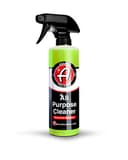
Choosing an APC
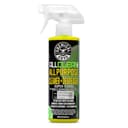
Buy the concentrate
This is the whole argument. A 16 oz concentrate fills several spray bottles; a 16 oz ready-to-use bottle fills one, and most of what you paid to ship was water. Buy the concentrate, buy two or three cheap spray bottles, and label them with the dilution. Unlabelled bottles of clear liquid at unknown strength is how people damage trim.
Strength, and what it is for
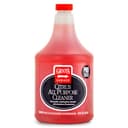
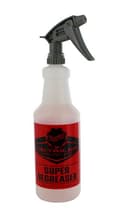
A general citrus APC is the right default: strong enough for wheel wells and door shuts, gentle enough diluted for interiors. A dedicated degreaseris a different animal — it cuts baked-on engine grease that an APC only smears, and it is too aggressive for interior surfaces at anything near full strength. If you are buying one bottle, buy the citrus APC.
The aluminum problem
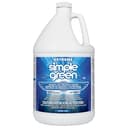
Standard alkaline cleaners can stain and etch bare, polished or unsealed aluminum — a real risk around wheels, engine components and older trim. Aircraft-grade cleaners exist precisely because aviation cannot tolerate that, which makes them the safer choice if there is unpainted alloy in the area. If you are unsure what a component is, test somewhere hidden first.
Where an APC is the wrong tool
Not on paint as a wash — use pH-neutral shampoo, because an APC strips wax and sealant. Not on leather, which needs its own chemistry. Not on screens. And not as a substitute for an iron remover— APCs do nothing to embedded ferrous contamination, which is a chemical reaction rather than a cleaning job.
Dilution, and using it safely
Work from weak to strong. Mix a mild dilution, try it, and step up only if it fails — the reverse order is how trim gets bleached and rubber seals get dried out. Because brands publish ratios so inconsistently, treat the bottle as the authority and your own test panel as the arbiter.
Never let an APC dry on a surface. It concentrates as the water evaporates, which is exactly when staining happens. Work one area at a time, in the shade, on cool surfaces, and rinse or wipe before moving on.
Agitate with a brush rather than adding strength. On textured plastic, wheel wells and tire sidewalls, a stiff brushdoes more than a stronger mix and carries far less risk. Wear gloves, and eye protection when spraying overhead in a wheel arch — that is the one that gets people.
Finally, remember what an APC removes: it strips wax and sealant along with the dirt. Anywhere you use it on or near paint should be re-protected afterwards with a spray coating or wax, and door shuts in particular are worth a quick pass because they are so often forgotten.
The job that most justifies owning a strong all-purpose cleaner is one the roundup above only touches on: an engine bay. It is the dirtiest area a diluted APC is genuinely the right chemistry for, it is also the one place where spraying the wrong thing is expensive, and the whole procedure turns on covering the electrical connectors and never using high pressure. We set it out in how to clean an engine bay.