
Clay & Coat

Best Car Detailing Tools

Eight tools, one per job, chosen on the one thing a chemical never has: a cost-per-use that falls to nothing. The cheapest item here changes the result more than the dearest.

By Stephen V.Last updated How we pick

The verdict

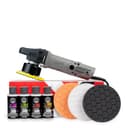
If you buy one tool, buy the Chemical Guys TORQX polisher kit — it is the only tool here that changes what your paint is capable of looking like. Everything else on this page cleans a car faster or more safely. A dual action polisher removes the swirl marks and oxidation that no chemical can, and the TORQX arrives as a kit — polisher, three pads, four liquids — so you can start the day it lands rather than placing five more orders.

The budget pick is the Adam’s 5-gallon wash bucket with a grit guard, the cheapest item on this page as of November 23, 2026— and it is also the tool that prevents the most damage per dollar. A grit guard traps the dirt your mitt releases below the grate instead of letting it circulate back onto the paint. That is the entire mechanism behind the two-bucket method, and almost no starter kit includes it.

One tool per job, eight jobs, zero chemicals. Tools are the half of detailing that has no cost per use: a bottle of wax gets cheaper per car only until it runs out, while a polisher you keep for ten years is effectively free by its fifth. That is the whole argument of this page, and it is why we compare published specs here rather than dilution ratios. For the consumables, see our detailing products roundup— it shares no picks with this page.

Detailing splits cleanly into two shopping lists, and almost nobody separates them. One is chemicals: soap, wax, dressing, cleaner — things you use up and re-buy every season. The other is tools: things you buy once, keep for a decade, and whose cost per wash falls toward zero. Those two lists deserve entirely different reasoning, because the question “is it worth it” has a different answer for a $20 bottle you replace four times a year and a $200 machine you will still own in 2036.

This page is the tool list, one pick per job. There are no chemicals on it at all, which also means there is no cost-per-use table: none of these products has a “uses per unit”, and that absence is the point rather than a gap in our data.

So it ranks on three things, in this order.

  • What the tool makes possible that nothing else does. A polisher is top because paint correction has no chemical substitute. A bucket is second-from-top in value because grit management has no substitute either.
  • Whether the maker publishes the deciding spec. Flow in GPM for a pressure washer, orbit in millimetres for a polisher, CRI and lumens for an inspection light, filtration for a blower. Several categories here are full of products that publish none of it, and we picked the ones that do.
  • Whether it survives being owned.A tool is a ten-year purchase. Replaceable heads, a brass fitting rather than plastic, a stainless tank — these are the details that decide whether a cheap tool is a bargain or a repeat purchase.

A note on budget. This is a complete list, not a shopping order. If you are starting from nothing, the honest sequence is bucket first, foam cannon second, vacuum third, polisher fourth — and the last section of this page sets out why. If you want the whole thing bundled instead, our beginner kit roundup covers boxed sets.

How this is funded: we earn a commission if you buy through our links, at no extra cost to you. It never changes which product we recommend, and we’ll tell you when we’d skip one. Full disclosure.

Quick picks

Ranked on published specs, coverage and buyer fit. Select a row to jump to the full write-up. We haven’t tested these in a lab — here is exactly what we do instead.

#ProductKey specsBest forPrice
1
Chemical Guys TORQX Random Orbital Polisher Kit

Chemical Guys TORQX Random Orbital Polisher Kit

The beginner buy that is a kit rather than a machine: polisher, three pads and four liquids in one box, so you start correcting the day it arrives instead of ordering five more things. It is no longer the cheap option — check the live price against the bare G9 before you decide, because the kit has drifted above it.

Action
Random orbital (dual action)
Orbit / throw
9 mm
Best first tool - the only one that changes what the paint can look like
$161.24 · View on Amazon

$214.9925% off

Price as of November 23, 2026. #ad How we’re funded

2
Westinghouse ePX3500 Electric Pressure Washer

Westinghouse ePX3500 Electric Pressure Washer

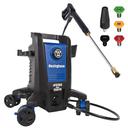
The flow pick under the cap. 1.76 max GPM ties the highest published flow in the sub-$200 band, and flow - not pressure - is what decides whether a foam cannon lays down thick snow foam or thin soapy water. The anti-tipping base is a real convenience on a sloped driveway.

Max flow
1.76 max GPM
Type
Corded electric
Best pressure washer for detailing - the flow pick
$169.00 · View on Amazon

Price as of November 23, 2026. #ad How we’re funded

3
Vacmaster 5-Gallon Stainless Wet/Dry Vacuum

Vacmaster 5-Gallon Stainless Wet/Dry Vacuum

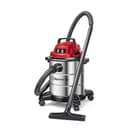
A well-priced 5-gallon wet/dry with a stainless tank that competes with pricier shop vacs. If you want shop-vac power without the shop-vac price, this is the value pick.

Type
Corded wet/dry
Tank
5 gallon (stainless)
Best vacuum - wet pickup is the spec that matters
$62.99 · View on Amazon

$74.9916% off

Price as of November 23, 2026. #ad How we’re funded

4
Adam's Polishes Air Cannon Car Dryer Blower

Adam's Polishes Air Cannon Car Dryer Blower

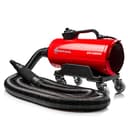
The full-size filtered dryer, and the listing makes the argument this whole category rests on: it is explicitly sold as safer than drying with a microfiber towel or a blade. If you wash a dark car often, this is the upgrade that stops you adding the swirls you then pay to polish out.

Filtered air
Yes
Best blower - touchless drying, and it says so
$242.03 · View on Amazon

Price as of November 23, 2026. #ad How we’re funded

5
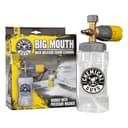
Chemical Guys Big Mouth Max Release Foam Cannon

Chemical Guys Big Mouth Max Release Foam Cannon

A premium cannon with a wide fan and a big 34 oz bottle. It foams beautifully, but most people get 90% of this performance from the value pick — buy this if you want the nicest tool, not because you need it.

Fitting
Quick-connect (check size)
Best foam cannon - the premium one, bought knowingly
$99.99 · View on Amazon

Price as of November 23, 2026. #ad How we’re funded

6
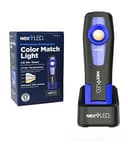
NextLED NT-2040B-3 Handheld Color Matching Auto Detailing Light

NextLED NT-2040B-3 Handheld Color Matching Auto Detailing Light

The one light here that publishes every number the category is actually decided on - 500 lumen, CRI 97 and three named color temperatures - at a price that is not a professional purchase. Printing the figures is itself the differentiator: most listings in this aisle do not.

Brightness
500 lumen
CRI
97
Best inspection light - the one that publishes every figure
$53.99 · View on Amazon

$59.9910% off

Price as of November 23, 2026. #ad How we’re funded

7
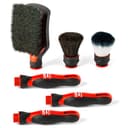
Griot's Garage Interior MOD Detail Brush Kit (3 Handles + 3 XL Heads)

Griot's Garage Interior MOD Detail Brush Kit (3 Handles + 3 XL Heads)

The only modular system here: three grip handles and three interchangeable XL heads in super-soft, soft and flat. The grade names are the point - it is the one kit that tells you which head is for a screen and which is for a floor mat, instead of leaving you to guess by feel.

Head grades
Super-soft, soft, flat
Best brushes - the only modular system
$49.99 · View on Amazon

Price as of November 23, 2026. #ad How we’re funded

8
Adam's Polishes Wash Bucket (5 Gallon + Grit Guard)

Adam's Polishes Wash Bucket (5 Gallon + Grit Guard)

The cheapest thing on this page that changes the result the most. A grit guard sits above the dirt your mitt drops, so the grit stays on the floor of the bucket instead of going back onto the paint - which is the entire mechanism behind the two-bucket method every kit's instructions assume you already follow.

Insert
Grit guard, four-finned
Budget pick - the cheapest tool here and the one that saves the most paint
$38.24 · View on Amazon

Price as of November 23, 2026. #ad How we’re funded

Specs as published on each product’s own listing, read between July 18, 2026 and November 10, 2026. Prices are live, as of November 23, 2026. A figure a brand does not publish is left out of this table and shown as “Not published” in that product’s full write-up below.

The picks in full

#1Top pick — Best first tool - the only one that changes what the paint can look like

Chemical Guys TORQX Random Orbital Polisher Kit

The beginner buy that is a kit rather than a machine: polisher, three pads and four liquids in one box, so you start correcting the day it arrives instead of ordering five more things. It is no longer the cheap option — check the live price against the bare G9 before you decide, because the kit has drifted above it.

Who it is for: anybody whose paint has swirl marks, light scratches or a dull, hazy look that washing does not fix. No soap, wax or coating on this site removes a defect; a polisher does.

We pick the kit rather than a bare machine deliberately. A polisher on its own is not a usable purchase — you need pads of at least two grades and a compound and a polish before anything happens — and the TORQX box contains three Hex-Logic pads and four V-Line liquids, so the first correction can happen on the day it arrives. Its random-orbital action is forgiving: the pad stalls rather than burning through clear coat if you hold it wrong, which is the safety property that makes a DA the right first machine rather than a rotary.

Chemical Guys and the listing both now publish a 9 mm throw, the same figure Griot’s publishes for the G9 — so on the spec that decides coverage per pass it is a like-for-like with the machine most enthusiasts recommend.

The honest cons.800 W against the G9’s 1,000 W — less motor for the same published throw. Chemical Guys publishes no OPM range and no speed-setting count for it at all, which are two empty cells on the spec sheet of a variable-speed machine. The included pads are basic and you will upgrade them. And it is no longer the cheap way in: it often prices above the bare G9, so check the live price against our polisher roundup before you decide.

Strengths

  • Ships with three Hex-Logic pads and four V-Line liquids - no separate shopping list
  • Forgiving random-orbital action
  • Chemical Guys and the listing now both publish a 9 mm throw, the same figure Griot's publishes for the G9

Trade-offs

  • 800 W against the G9's 1,000 W - less motor for the same published throw
  • Chemical Guys publishes no OPM range and no speed-setting count for it at all
  • Included pads are basic - you'll upgrade eventually
  • Often prices above the bare G9, which undercuts the 'cheapest way in' case for it
What it is800 W random-orbital DA polisher kit, 9 mm throw
Size9 mm orbit
CoverageNot published
ActionRandom orbital (dual action)
Orbit / throw9 mm
Motor800 W
SpeedVariable - no OPM range published
Weight4.7 lb (listing)
Includes3 Hex-Logic pads + 4 V-Line liquids

Specs read from the product listing, on November 2, 2026. “Not published” means the brand does not state that figure.

#2Best pressure washer for detailing - the flow pick

Westinghouse ePX3500 Electric Pressure Washer

The flow pick under the cap. 1.76 max GPM ties the highest published flow in the sub-$200 band, and flow - not pressure - is what decides whether a foam cannon lays down thick snow foam or thin soapy water. The anti-tipping base is a real convenience on a sloped driveway.

Who it is for: anyone who intends to foam a car. Flow, not pressure, is what makes a foam cannon work, and this is the flow pick.

Its published 1.76 max GPM ties the highest flow figure in the sub-$200 band in our registry, and that is the number that decides whether your cannon lays down thick snow foam or thin soapy water. It also brings an onboard soap tank, a pro-style steel wand rather than plastic, five nozzles, and an anti-tipping base — which sounds like marketing until you have dragged a hose around a car on a sloped driveway.

For a car specifically, the pressure figure matters far less than people assume. The useful work in a wash is done by chemistry and dwell time; the washer’s job is to deliver the foam and then carry it away without dragging grit across the paint.

The honest cons.The 2,500 PSI is a “max” figure with no stated certification behind it, so treat it as marketing rather than measurement. It is also considerably more pressure than car paint ever needs — use the 40-degree tip on paint and keep the zero-degree tip in the box permanently. And universal-motor machines like this run noticeably louder than the induction-motor units above them.

Strengths

  • 1.76 max GPM - ties the highest published flow under $200 in this registry
  • Onboard soap tank plus a pro-style steel wand and five nozzles
  • Anti-tipping design, which matters when you drag the hose around a car

Trade-offs

  • 2,500 PSI is a 'max' figure with no stated certification behind it
  • 2,500 PSI is more pressure than car paint ever needs - nozzle discipline required
  • Universal-motor units like this run louder than an induction-motor machine
What it is2,500 max PSI / 1.76 max GPM electric, soap tank, 5 nozzles
Size2,500 max PSI, 1.76 max GPM electric
CoverageNot published
TypeCorded electric
Max pressure2,500 max PSI
Max flow1.76 max GPM
CertificationNot published
In the boxSteel wand, 5-nozzle set, onboard soap tank

Specs read from the product listing, on November 10, 2026. “Not published” means the brand does not state that figure.

#3Best vacuum - wet pickup is the spec that matters

Vacmaster 5-Gallon Stainless Wet/Dry Vacuum

A well-priced 5-gallon wet/dry with a stainless tank that competes with pricier shop vacs. If you want shop-vac power without the shop-vac price, this is the value pick.

Who it is for: any interior work beyond picking up crumbs. Wet pickup is what separates a vacuum that tidies a car from one that details it.

It publishes 4 peak HP on a 5-gallon stainless tank with wet and dry pickup, at a price that competes with name-brand shop vacs costing considerably more. The capability that matters is extraction: spray a carpet cleaner, agitate it, then pull the dirty solution back out of the fibres. That is the step that makes a stained footwell look new rather than damp, and a dry-only machine cannot do it. A stainless tank is also the right choice for something that will have dirty water sitting in it.

The honest cons.Bulky, like every 5-gallon machine — this is a vacuum you bring the car to, not one you carry to the car. The attachments are basic, so fine crevice work is where you notice the price. It is corded. And peak HP is a momentary startup figure rather than sustained suction, so treat 4 as directional rather than as a measurement.

Strengths

  • Strong suction at a lower price than name-brand shop vacs
  • Durable stainless tank
  • Wet and dry pickup

Trade-offs

  • Bulky like any 5-gallon vac
  • Attachments are basic
What it is5-gal corded wet/dry, stainless tank
Size5 gal tank
CoverageNot published
TypeCorded wet/dry
Tank5 gallon (stainless)
Power4 peak HP

Specs read from the product listing, on July 18, 2026. “Not published” means the brand does not state that figure.

#4Best blower - touchless drying, and it says so

Adam's Polishes Air Cannon Car Dryer Blower

The full-size filtered dryer, and the listing makes the argument this whole category rests on: it is explicitly sold as safer than drying with a microfiber towel or a blade. If you wash a dark car often, this is the upgrade that stops you adding the swirls you then pay to polish out.

Who it is for:a dark-paint owner who washes weekly. Drying is where most swirl marks are actually inflicted — not washing — and this is the tool that removes the towel from the equation.

The listing makes the argument this whole category rests on, explicitly: it is sold as safer than drying with a microfiber towel or a water blade. That is the right premise, and it is unusual to see a maker state it rather than lead on convenience. It is a full-size body with real airflow, and the listing states filtered air — which matters because a blower pushes whatever is in your driveway at wet clear coat. There are wall-mount and Air Cannon Sr. variants if you want it fixed in place.

The honest cons.Expensive — the second-priciest tool on this page. It is a corded mains tool, so you need an outlet near where you wash. And no CFM or motor figure is published, so the airflow claim has no number behind it. If the price is the obstacle, the sub-$200 handheld page covers the cheaper route and is honest that a handheld supplements a towel rather than replacing one.

Strengths

  • Filtered air per the listing, in a full-size body with real airflow
  • Marketed on exactly the right premise - safer than a towel or a blade
  • A wall-mount variant and an Air Cannon Sr. bundle exist if you want it fixed

Trade-offs

  • Expensive - the second-priciest tool on this page
  • Corded mains tool, so you need an outlet near where you wash
What it isFull-size filtered car dryer blower
SizeNot published
CoverageNot published
FormatFull-size, handheld wand
Filtered airYes
Airflow (CFM)Not published
MotorNot published

Specs read from the product listing, on October 6, 2026. “Not published” means the brand does not state that figure.

#5Best foam cannon - the premium one, bought knowingly

Chemical Guys Big Mouth Max Release Foam Cannon

A premium cannon with a wide fan and a big 34 oz bottle. It foams beautifully, but most people get 90% of this performance from the value pick — buy this if you want the nicest tool, not because you need it.

Who it is for: somebody buying a tool list rather than a budget list, who wants the nicest cannon rather than the cheapest adequate one.

It has a wide, even foam fan, a large 34 oz bottle so a whole car happens without a refill, premium build and genuine adjustability, and Chemical Guys parts availability behind it. A foam pre-wash is the single highest-value accessory in washing because it removes loose grit before your mitt touches the paint, which is the main cause of swirls.

The honest cons, stated plainly.It is the most expensive cannon in our registry for a marginal foam gain — most people get about 90% of this performance from the value pick, and on a low-flow washer they get all of it. Overkill for an occasional washer. And the listing says “quick-connect (check size)” without naming the size, so verify your fitting first. If budget is the constraint, our sub-$50 cannon page makes the opposite argument and makes it well.

Strengths

  • Wide, even foam fan and a large 34 oz bottle
  • Premium build and adjustability
  • Strong brand support and parts availability

Trade-offs

  • The most expensive cannon here for a marginal foam gain
  • Overkill for an occasional washer
What it isPremium pressure-washer cannon, 34 oz bottle
Size34 oz bottle
CoverageNot published
FittingQuick-connect (check size)
Needs a pressure washerYes
Bottle34 oz

Specs read from the product listing, on July 18, 2026. “Not published” means the brand does not state that figure.

#6Best inspection light - the one that publishes every figure

NextLED NT-2040B-3 Handheld Color Matching Auto Detailing Light

The one light here that publishes every number the category is actually decided on - 500 lumen, CRI 97 and three named color temperatures - at a price that is not a professional purchase. Printing the figures is itself the differentiator: most listings in this aisle do not.

Who it is for: anyone who owns the polisher at the top of this page. You cannot correct a defect you cannot see, and garage lighting hides swirls almost perfectly.

This is the one light in our registry that publishes every number the category is actually decided on: 500 lumen, CRI 97, and three named colour temperatures (2700 / 4000 / 6500 K), at a price that is not a professional purchase. Printing the figures is itself the differentiator — most listings in this aisle publish one of the three at best. The three temperatures cover warm shop light, neutral, and daylight-ish inspection, which is what lets one light both find defects and judge whether a colour match is right. Being handheld matters more than it sounds: you take the beam to a low raking angle across the panel rather than lighting the whole thing flat.

The honest cons.No battery capacity, runtime or beam angle is published. 500 lumen is a close-range inspection light, not a work light for a dark garage. And CRI 97 is a standard CRI figure, which by SCANGRIP’s own definition averages only 8 of 15 R-values — so it is a useful number rather than a complete one.

Strengths

  • Publishes a CRI figure, a lumen figure and three Kelvin settings - most rivals publish one of the three
  • 2700 / 4000 / 6500 K covers warm shop light, neutral and daylight-ish inspection
  • Handheld, so you can take the beam to a low angle instead of lighting the whole panel flat

Trade-offs

  • No battery capacity, runtime or beam angle published on the listing
  • 500 lumen is a close-range inspection light, not a work light for a dark garage
  • CRI 97 is a standard CRI number, which by SCANGRIP's own definition averages only 8 of 15 R-values
What it isHandheld inspection light, 500 lumen, CRI 97, three color temperatures
SizeNot published
CoverageNot published
Brightness500 lumen
CRI97
Color temperatures2700 / 4000 / 6500 K
Form factorHandheld, rechargeable
RuntimeNot published
Beam angleNot published

Specs read from the product listing, on October 12, 2026. “Not published” means the brand does not state that figure.

#7Best brushes - the only modular system

Griot's Garage Interior MOD Detail Brush Kit (3 Handles + 3 XL Heads)

The only modular system here: three grip handles and three interchangeable XL heads in super-soft, soft and flat. The grade names are the point - it is the one kit that tells you which head is for a screen and which is for a floor mat, instead of leaving you to guess by feel.

Who it is for: interior work at speed. Suction cannot lift dirt bonded into a carpet fibre; it has to be agitated loose first, and that is a brush job.

It is the only modular brush system in our registry: three grip handles and three interchangeable XL heads in super-soft, soft and flat. The grade names are the real feature, because they tell you which head is for a screen and which is for a floor mat instead of leaving you to guess by feel. Interchangeable heads also mean you replace a worn head rather than the whole brush, which is exactly the property that makes something a tool rather than a consumable. The XL heads cover a seat or a mat far faster than a detail brush does.

The honest cons.It is the most expensive brush purchase in our registry by a wide margin. The bristle material is not published on the listing — only the softness grades — so the one spec that would tell you about chemical resistance is missing. And XL heads are the wrong tool for a vent slat or a badge recess; for those see our full brush roundup.

Strengths

  • Three named head grades - super-soft, soft and flat - so stiffness is a choice, not a surprise
  • Interchangeable heads mean you replace a worn head, not the handle
  • XL heads cover a seat or a mat far faster than a detail brush

Trade-offs

  • The most expensive brush purchase on this page by a wide margin
  • Bristle material is not published on the listing - only the softness grades
  • XL heads are the wrong tool for a vent slat or a badge recess
What it isModular kit: 3 sure-grip handles, 3 XL heads (super-soft, soft, flat)
Size3 handles + 3 XL heads
CoverageNot published
BristlesNot published
Pieces3 handles + 3 XL heads
Head gradesSuper-soft, soft, flat
Rated surfacesNot published
Bristle lengthNot published

Specs read from the product listing, on October 12, 2026. “Not published” means the brand does not state that figure.

#8Budget pick - the cheapest tool here and the one that saves the most paint

Adam's Polishes Wash Bucket (5 Gallon + Grit Guard)

The cheapest thing on this page that changes the result the most. A grit guard sits above the dirt your mitt drops, so the grit stays on the floor of the bucket instead of going back onto the paint - which is the entire mechanism behind the two-bucket method every kit's instructions assume you already follow.

Who it is for: everybody, first, before anything else on this page. It is the budget pick and the single best value in detailing.

A grit guard sits above the dirt your mitt drops, so released grit stays on the floor of the bucket instead of circulating back onto your paint. That is the entire mechanism behind the two-bucket method that every kit’s instructions assume you already follow — and almost no kit actually includes it. The four-finned insert traps dirt below the grate, a five-gallon body holds enough solution to wash a full-size vehicle without refilling, and between washes it doubles as storage for the mitt, towels and bottles.

Spend here before you spend on the polisher. The polisher removes swirls; the bucket stops you making them, and preventing a defect costs a fraction of correcting one.

The honest cons. You need twoof them for a true two-bucket wash — one wash, one rinse — so budget for the pair. The Gamma Seal lid the listing suggests is a separate purchase. And a five-gallon bucket full of water is heavy and awkward to carry any distance, which is a real consideration if you wash away from a tap.

Strengths

  • The four-finned insert traps released dirt below the grate rather than letting it circulate
  • A five-gallon bucket holds enough soap solution to wash a full-size vehicle without refilling
  • Doubles as storage for the mitt, towels and bottles between washes

Trade-offs

  • You need two of them for a true two-bucket wash - one wash, one rinse
  • The Gamma Seal lid the listing suggests is a separate purchase
  • A five-gallon bucket full of water is heavy and awkward to carry any distance
What it is5-gallon wash bucket with a four-finned grit guard insert
Size5 gallon bucket + grit guard
CoverageNot published
Capacity5 gallon
InsertGrit guard, four-finned
LidNot included (Gamma Seal sold separately)

Specs read from the product listing, on August 25, 2026. “Not published” means the brand does not state that figure.

Tools have no cost per use, and that changes the maths

This site normally leads with cost-per-use arithmetic, because for a consumable it is the number that matters: a wax that costs twice as much but does four times as many cars is the cheaper product. Run the same calculation on a tool and it collapses, usefully.

A polisher used twice a year for ten years is twenty corrections. A bucket used fortnightly for a decade is two hundred and sixty washes. There is no denominator at which a durable tool stops getting cheaper, which is why the comparison table above shows specs rather than per-use figures, and why no coverage or cost-per-use table appears on this page at all. Every product here has no “uses per unit” by design.

The practical consequence: buy tools on published specification and build quality, and buy chemicals on cost per use. Those are different decisions and the same shopping instinct gets one of them wrong.

The order to buy them in

This page lists one tool per job. It is not a shopping order, and buying it in the wrong order wastes money. The honest sequence for someone starting from nothing:

  1. Two buckets with grit guards. Cheapest, prevents the most damage, and required before any other step is safe. See the method.
  2. A drying towel.Not on this page because it is closer to a consumable — towels wear out — but drying is where most swirls are inflicted, so it comes before any machine. See the towel roundup.
  3. A pressure washer and foam cannon.The pre-wash that removes grit before contact. These two are one purchase in practice — the cannon is useless without the washer.
  4. A vacuum. The interior half of the car, which is half the result and most of what a passenger notices.
  5. A polisher, pads and an inspection light. Also effectively one purchase: a polisher without pads does nothing, and a correction without a light is guesswork. Buy these once the wash process above is safe, or you will be correcting swirls you are still creating.
  6. A blower. The genuine luxury on this list, and the one that most improves a weekly routine once everything else is in place.

The specs each category is actually decided on

Tool listings are full of numbers that do not matter and silent about the ones that do. Category by category, here is the figure to look for — and how often it is missing:

  • Polisher: the orbit in millimetres. Of eleven polishers in our registry, five publish a throw figure and six publish nothing. It decides coverage per pass. See the long-throw page for what the longer orbit buys.
  • Pressure washer: flow in GPM, not peak PSI. Flow fills a foam cannon and carries soap off a panel; peak pressure is an undisclosed-conditions maximum. Several budget machines publish no GPM at all.
  • Vacuum: wet pickup, yes or no. Everything else is secondary. Peak HP is a startup inrush figure, not sustained suction.
  • Blower: filtration. It is a paint-safety spec, not a comfort one, and most listings in the category make no claim.
  • Foam cannon: the fitting. A size mismatch makes it a paperweight. Only one cannon in our registry publishes its fitting precisely.
  • Inspection light: CRI and colour temperature. Brightness alone finds nothing; it is the colour rendering and the raking angle that reveal swirls. Most listings publish one figure of the three.
  • Brushes: bristle material. It decides chemical resistance and whether the brush marks gloss trim. Our top pick here publishes softness grades but not material, which we report rather than infer.

What this page deliberately leaves out

Four things, so you know they are absent on purpose rather than forgotten.

  • Every chemical. Soap, wax, dressing, compound, cleaner. They belong on the products page, and this page shares no picks with it.
  • Pads and towels. They wear out and get replaced, which makes them consumables rather than tools regardless of how they are shelved. See pads.
  • Boxed kits.A kit is a bundle of chemicals with a mitt in it, and it is a different purchase — see the beginner kit roundup.
  • A second brush size. One brush system cannot do vents and seats. If your interior is mostly switchgear and vents rather than fabric, buy a small detail brush instead of the XL kit.

About the prices on this page

Every figure is read live from the price layer and stamped with its own date; nothing is typed into this page. The claim that the wash bucket is the cheapest tool here is true as of November 23, 2026and is re-checked on every refresh rather than written in. If the daily refresh ever stops, the numbers disappear and the buttons fall back to “Check price on Amazon” rather than showing you something stale.

Frequently asked questions

What tools do you need to detail a car?

Eight cover every job: two buckets with grit guards, a pressure washer, a foam cannon, a vacuum with wet pickup, a dual action polisher, an inspection light, interior brushes and a blower. If you are buying in order rather than all at once, start with the buckets - they are the cheapest item and they prevent the most damage, because a grit guard keeps released dirt below the grate instead of letting it circulate back onto the paint. The polisher comes later: it removes swirls, and there is no point correcting swirls you are still creating.

What is the most important car detailing tool?

It depends whether you mean capability or value. For capability it is a dual action polisher, because paint correction is the one thing on this page with no chemical substitute - no soap, wax or coating removes a swirl mark. For value it is a five-gallon bucket with a grit guard, which is the cheapest item here and prevents more damage per dollar than anything else. Preventing a defect costs a fraction of correcting one, so if you can only buy one thing this month, buy the bucket.

Are detailing tools worth the money compared to chemicals?

They are a different kind of purchase and the maths works differently. A chemical gets cheaper per car only until the bottle runs out, so cost per use is the right way to judge it. A tool has no such denominator: a polisher used twice a year for ten years is twenty corrections and keeps getting cheaper indefinitely. That is why this page compares published specifications and build quality rather than cost per use, and why none of these products has a per-use figure at all.

Do you need a pressure washer to detail a car?

Not strictly, but it is what makes a foam pre-wash possible, and a foam pre-wash removes the loose grit your mitt would otherwise drag across the paint. If you buy one, buy on published flow in GPM rather than peak PSI: flow is what fills a foam cannon and carries soap off a panel, while peak pressure is a maximum measured under conditions nobody discloses. A 1.76 GPM machine foams thickly through any cannon; a 1.1 GPM machine struggles through all of them.

What light do you need to see swirl marks?

One that publishes a CRI figure and more than one colour temperature, used at a low raking angle rather than straight on. Brightness alone finds nothing - it is colour rendering and beam angle that make a defect visible, which is why garage strip lighting hides swirls almost perfectly. Our pick publishes 500 lumen, CRI 97 and three named temperatures (2700 / 4000 / 6500 K), which is unusual: most listings in this category publish one of the three at best.

Should you buy a polisher as a kit or as a bare machine?

As a kit, the first time. A bare polisher is not a usable purchase - you need pads in at least two grades plus a compound and a finishing polish before anything happens, which is four more orders and a lot of guesswork about compatibility. The TORQX kit ships three pads and four liquids, so the first correction can happen the day it arrives. The caveat is price: the kit has drifted above the cost of some bare machines, so check the live prices against each other before deciding.

Is a car blower worth it or is a towel enough?

A towel is enough, and a blower is a genuine upgrade to an already-safe process rather than a fix for an unsafe one. The case for it is that drying inflicts most swirl marks, not washing - so removing the towel from contact with the paint removes the main remaining risk, and our pick's own listing is sold on exactly that premise. Buy it after the buckets, the towel, the washer, the cannon and the vacuum, not before them.

Why are there no chemicals on this list?

Because tools and chemicals are different purchases and mixing them produces bad advice. Chemicals get used up and should be judged on cost per use; tools are kept for a decade and should be judged on published specs and build quality. Keeping the lists separate also means this page and our detailing products roundup share no picks at all - between them you get a complete setup without buying the same thing twice. Pads, towels and boxed kits are excluded here for the same reason: they wear out.

Sources

  • Chemical Guys — TORQX Random Orbital Polisher (BUF503) — Maker page, fetched directly on this read. Published: "Powerful 800-watt motor delivers consistent performance"; "9mm dual-action throw helps polish safely and evenly"; "Variable-speed control for correction and finishing"; compatibility with 3", 5" and 6" backing plates (stated in an infographic caption rather than the specifications table); SKU TORQX; applicable finishes "Paintwork"; "30-Day Easy Returns". Publishes NO OPM or RPM range and NO number of speed settings, NO amperage, NO voltage, NO weight, NO cord length or type, NO warranty term (the 30-day figure is a return window, not a warranty), and the "How to Use" section is empty. IMPORTANT for anyone re-reading this: 9 mm and 800 W are what Chemical Guys publishes TODAY. Older Chemical Guys pages and third-party syndications of them carry 8 mm and 680 W for the same tool, which is where this site's previous 8 mm figure came from. We now use the current maker figure and say that the older one existed (accessed November 2, 2026)
  • SCANGRIP — CRI+ for accurate colour matching — Maker page: "The standard CRI value is calculated as an average of the first 8 R-values out of 15", and "the R9 (red) value, which is important for correct colour recognition, is not taken into consideration for the CRI value". SCANGRIP defines its own CRI+ term "as an average of all 15 R-values" and calls that "the only correct definition of the CRI value to be used for accurate and reliable colour recognition". The page publishes NO numeric CRI threshold and says nothing about colour temperature or daylight (accessed October 12, 2026)
  • Adam's Polishes — Pressure Washers and Foam Cannons — How a foam cannon draws soap to create foam, and the PSI-vs-GPM tradeoff that decides which pressure washer suits one (accessed July 18, 2026)
  • Chemical Guys — Two Bucket Method Car Wash Guide — Separate wash and rinse buckets keep contaminated water off the mitt — the main source of wash-induced swirl marks (accessed July 18, 2026)

Keep reading