How to choose a car vacuum
Suction is the spec that matters most, and it’s the one brands obscure with “peak horsepower” numbers. Peak HP is measured at stall, not in normal use, so treat it as rough ordering only — a 4-peak-HP shop vac genuinely pulls harder than a 2-peak-HP one, but the real-world gap is smaller than the figures suggest. What you actually feel is airflow lifting embedded grit and pet hair out of the carpet, and that’s where a corded shop vac beats any handheld.
Tank size and wet/dry
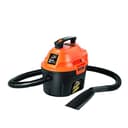
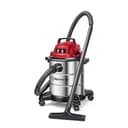
Tank size is a convenience trade-off, not a power one. A 2.5-gallon body is easy to carry to the driveway and swing around the seats, but it fills fast on a filthy car; a 5-gallon tank means fewer trips to empty it and doubles as a garage vacuum, at the cost of being bulkier to maneuver. Wet/dry capability is the non-negotiable for detailing — you need it to lift spills and, more importantly, to extract the water when you clean fabric seats and carpet. A dry-only vacuum can’t do that job.
Attachments and reach
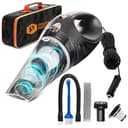
A car is all tight corners, so the attachments matter as much as the motor. A crevice tool gets down seat tracks and into the gap between the console and seat; a soft brush lifts dust off vents and trim without scratching; a hose long enough to reach the rear footwells from the driveway saves you re-positioning the vacuum ten times. If you own pets, look for that crevice reach specifically — it’s what pulls hair out of the seams, and our guide on removing pet hair from a car covers the technique.
Corded or cordless?
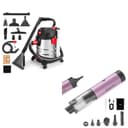
This is the real decision. A corded vacuum — a 12V unit off the cigarette socket or, better, a wet/dry shop vac off house power — never runs flat mid-job and gives steady, strong suction from the first seat to the last. That’s why it’s what most people should buy for a full interior detail. A cordless handheld trades some of that power and all-day runtime for the genuine convenience of moving around the car with nothing to unplug and re-route. It’s ideal for a quick weekly pass over the front seats, less ideal for a deep clean where the battery gives out before the job does. If you only ever do fast tidy-ups, cordless wins on convenience; if you do proper details, a corded wet/dry is the tool that gets it done.
Pet hair is the one job where these rankings shift, because hair woven into upholstery is held mechanically rather than lying loose. Our best car vacuum for pet hair re-ranks them on airflow, wet pickup and the agitation step that releases the hair in the first place.
The ranking above puts two genuinely different machine classes in one list, which is useful once you know which class you want and confusing before that. A corded wet/dry canister has sustained suction and can pick up liquid, which is the only way to extract a shampooed carpet; a handheld has reach into seat seams and gets used far more often because it needs no outlet. Shop vac vs car vacuum works through the four questions that decide it.