Clean first, then freshen
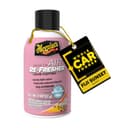
It is worth repeating because even the makers say it. Meguiar’s directions for the Whole Car Air Re-Fresher, our top pick, tell you to remove any sources of odor and to vacuum and clean soiled carpet and upholstery before you set the can off. A product sprayed over an active source — food in the seat tracks, a wet carpet pad, a clogged cabin air filter — is fighting a smell that is still being made.
That is also how to read the boldest claim in this category. Meguiar’s product page for the New Car scent of the same can headlines “permanent odor removal.” The directions underneath it — remove the source, clean the carpet, one can per car — are what “permanent” depends on. Leave the source in place and the smell comes back, whatever the can says.
So start with a thorough vacuum (our car vacuum picks are built for seat tracks and crevices), extract and dry anything that got wet using the method in how to clean car carpet and floor mats, and wipe the hard surfaces with a proper interior cleaner. What is left after that is the smell these products are actually good at.
Eliminate, absorb or scent: the three kinds
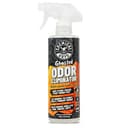
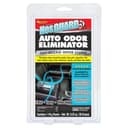
- Eliminatorsgo after the odor itself. Some are sprays for the fabric that holds a smell (Chemical Guys Ghosted); some are one-shot treatments that fill the whole cabin, either an aerosol carried through the vents (Meguiar’s) or a chlorine dioxide vapor (Star brite NosGUARD). These are the products that can make a clean car smell of nothing.
- Absorbers pull odor out of the air slowly and add nothing back. Our guide recommends baking soda and activated charcoal for exactly this job; the Moso Natural bag is the reusable, car-shaped version of that advice.
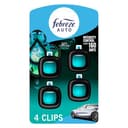
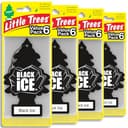
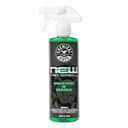
- Scent products add fragrance and remove nothing: the Febreze vent clip, the Little Trees paper tree and, mostly, the Chemical Guys New Car Smell spray. They are a finishing touch for a car that is already clean, which is why they rank below everything that can fix a smell.
Match the product to the smell
- Musty, and strongest when the fan is on.The smell is in the air system. Replace the cabin air filter and make sure the carpet is dry, then use the Meguiar’s fogger, which runs through the vents on recirculate.
- Cigarette smoke. Smoke soaks into every soft surface, headliner included, so it needs the full deep clean first. Then a chlorine dioxide treatment like the NosGUARD, which Star brite pitches at smoke, pet, musty and food odors, is the one to use on what remains.
- Pets, food or a spill in the fabric. Extract it and dry it, then spray Ghosted where the smell was and let it soak in, as Chemical Guys directs.
- A faint, lingering staleness. Leave a Moso bag in the car and give it its hour in the sun each month.
- Nothing wrong, you just like a scent. A Febreze clip if you want to turn it up and down, a Little Trees tree if you want it cheap, or a light mist of the Chemical Guys spray under the seats after a detail.
Keep the sprays off your plastics
Both Chemical Guys sprays on this page carry the same instruction on the maker’s own product pages: do not spray them onto plastic, clear plastic or any hard surface, and for the New Car Smell spray, not onto paintwork either. In a car, that means the dash, the door cards, the console and the screens are all off limits. Mist them into carpet, cloth seats and the area under the seats instead. The Amazon listing for New Car Smell names vents as somewhere to use it; the maker’s directions are the ones to follow. If a hard surface smells, clean it — do not perfume it.
One more placement note. The rear-view mirror is the traditional home of a paper tree, but a swinging object in the windshield is not harmless everywhere. California’s Vehicle Code 26708, for one, bars driving with any object that obstructs or reduces the driver’s clear view through the windshield. A vent clip avoids the question; a tree can hang somewhere lower and out of your sightline.
Foggers and odor bombs: run them safely
The two whole-cabin treatments here work differently, and both come with rules worth taking seriously. The Meguiar’s aerosol needs the engine running with the fan on high so the recirculated air carries the mist, and Meguiar’s says the car must be empty of people, pets and plants and parked in a well-ventilated area. Take that literally: the CDC’s carbon monoxide guidance is never to run a car inside a garage attached to a house, even with the garage door open. Do it outdoors, in the shade.
The Star brite pouch releases chlorine dioxide, a reactive gas. The CDC’s toxic substances agency (ATSDR) notes that breathing air containing it may irritate the nose, throat and lungs. So nobody sits in the car while it works, and Star brite says to ventilate the vehicle afterward. Plan on an afternoon, not a lunch break — the maker quotes significant odor reduction within 4 to 6 hours.
Why we tell you to skip ozone generators
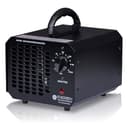
Ozone machines are the most aggressively marketed odor fix you will find, and our odor guide already calls them a professional-only tool. The agencies go further. The US EPA says that at concentrations that do not exceed public health standards, ozone has little potential to remove indoor air contaminants and is not effective at removing many odor-causing chemicals, and that its reactions with other chemicals can form harmful or irritating by-products. California’s Air Resources Board recommends that ozone generators not be used except for approved industrial purposes, and the Enerzen listing itself says the unit is not for sale in California.
Watch for one more piece of reassuring-looking packaging. Ozone generators often print an “EPA Est. No.” — the Enerzen listing does. EPA’s own consumer guide says an establishment number on device packaging does not mean the agency reviewed the product for safety or efficacy, and does not imply approval or endorsement. It identifies the establishment where the device was made. If a smell is bad enough that ozone looks tempting, the better call is a professional detailer, as our odor-removal guide recommends.
The cost-per-use math, and its limits
The table near the top divides today’s price by what each maker says one purchase delivers, so the units differ by product. The two whole-cabin treatments are priced per treatment, because one can or one pouch does one car. The Moso bag is priced per month over the two years Moso rates it for. The Febreze clips are priced per clip (Febreze rates each at up to 40 days) and the Little Trees box per tree (up to seven weeks if you pull it out of the bag slowly).
Read those scent lifespans as ceilings. “Up to” is the best case, so the real cost per month of a scent product is higher than the per-item figure suggests — and unlike the Moso bag or a one-off treatment, it never stops. Ghosted and the New Car Smell spray have no row at all, because neither Chemical Guys page publishes how far a bottle goes, and we will not invent a yield to fill the cell.
If you are putting together a full cabin routine rather than buying one bottle, our interior detailing kit roundup covers the bundles, and how to detail your car interior puts every step, freshening last, in order.