How to choose clay: bar vs mitt, and what grade
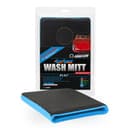
The first fork is bar or mitt. A traditional clay bar is a soft block you knead and glide across a lubricated panel; it’s gentle and cheap, but it’s single-life insurance — drop it and it’s trash. A clay mitt (or clay towel) has a rubber-polymer face bonded to a wash mitt, so it’s reusable and much faster over big panels, and if you drop it you just rinse it clean. The trade-off is that mitts tend to marr the surface a little more than a soft bar, so plan to follow up with a light polish afterward.
Grade: fine for maintenance, medium for neglected paint
Grade is how aggressive the clay is. A finegrade is the safe default for a car you keep on top of — it lifts light contamination with the least chance of marring. Step up to a mediumgrade only when the paint is genuinely neglected: years of unclaimed fallout, overspray, or a rough “sandpaper” feel that a fine clay can’t clear. More aggressive clay works faster but leaves more fine marring behind, which is another reason heavier decontamination usually pairs with a polishing step.
Always use lots of lubricant
Whatever you choose, the clay has to float on a wet film. Soak the panel with a dedicated clay lubricant (a good soapy wash solution works in a pinch) and keep it slick the whole time — if the clay ever grabs or squeaks, add more lube. Running clay on a dry-ish panel is the fastest way to put fresh scratches into the finish. For the full technique, see how to use a clay bar, and if you’re not sure clay is even the step you need, start with what paint decontamination is.
When to clay
Clay is a periodic job, not a wash-day habit — for most cars, once or twice a yearis plenty, or whenever the paint fails the “plastic-bag test” and feels rough. No manufacturer publishes an interval in months, so treat that as a rule of thumb and the feel test as the real answer — do you need to clay bar your car? walks the decision properly, including why it changes depending on whether you are about to wax, polish or coat. The single most important time to clay is right before you protect: because a wax or a ceramic coatingbonds to whatever is on the surface, claying first means the protection grips clean paint instead of sealing grit underneath it. If you’re going all the way to a corrected finish, clay first, then polish with a dual-action polisher, then coat — in that order.