The three brushes a wheel actually needs
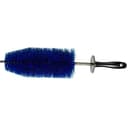
1. A long flexible barrel brush
Seventeen or eighteen inches of flexible nylon that pushes between the spokes and sweeps the whole inner barrel. Nothing else you own reaches it — not a mitt, not a sponge, not a short brush. If you buy one brush, buy this one, because it is the only tool that addresses the part of the wheel that is genuinely dirty.
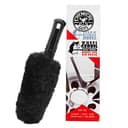
2. A soft face brush
Wheel faces are painted, clear-coated or polished, and they scratch as easily and as visibly as your paint does. A soft natural-bristle brush cleans the face and the spoke edges without marking the finish. This is the brush where softness matters more than scrubbing power — let the wheel cleaner do the chemical work.
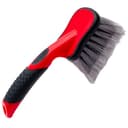
3. A stiff tire brush
Tire sidewalls need genuine scrubbing. Old dressing, road film and rubber blooming build into the brown haze that makes a tire look tired, and no chemical alone lifts it. A short-handle stiff brush gives you the leverage to scrub properly — and because it lives on the dirtiest surfaces, it should be cheap and treated as disposable. Never let it near the wheel face.
Choosing and using them
Bristle material
Soft natural bristle is the safe choice for delicate finishes. Nylon is the standard for barrel brushes: flexible, durable, and resistant to the chemicals in wheel cleaners. Stiff syntheticbelongs on rubber and plastic only. Check whether the ferrule and any metal core are plastic-coated — an exposed metal shaft inside a barrel brush is a very effective way to gouge the inside of a wheel.
Wheels are always last, and always separate
Wash the wheels before the paint if you like — opinions differ — but never with the same tools. Brake dust is metallic and sharp, and a mitt or brush that has been on a wheel will put that grit straight into your clear coat. Keep wheel tools physically separate, and store and rinse them separately too.
The order that works
Do wheels cold, never straight after driving — cleaner flashing off a hot wheel can stain the finish. Rinse first to remove loose grit. Spray the wheel cleanerand let it dwell for the time on the label. Then agitate: barrel brush first through the spokes, face brush over the visible surface, tire brush on the sidewall. Rinse thoroughly before the cleaner dries. Dry the wheels, then dress the tires — and only ever dress a properly cleaned tire, or you are sealing the grime under a glossy layer.
One more habit worth adopting: rinse your brushes out properly at the end. Wheel cleaner left in the bristles degrades them, and grit left in a barrel brush is what marks a wheel next time. For the whole routine in order, see our wheel cleaning guide.
A brush is one half of the answer to the problem that actually brings people here, which is brake dust. Brake dust is hot metallic particles that bond to and eventually etch a wheel finish, so the sequence matters as much as the tools: work on cool wheels, let a pH-balanced cleaner or iron remover dwell, then agitate with the right brush for each area rather than scrubbing harder with the wrong one. Our brake dust guide sets out that order, and the acid-free picks for black wheels cover the chemistry if your finish is painted or powder-coated.